How AI Is Transforming the Fashion Industry
How AI Is Transforming the Fashion Industry
Publish Date: 2026-06-24 08:37:00
Source Domain: www.europeanbusinessreview.com
- AI is transforming the fashion industry through trend forecasting, hyper-personalization, and automation of various processes, enhancing efficiency, reducing costs, and enabling personalized customer experiences.
- AI accelerates trend forecasting by analyzing vast amounts of data from social media and runway shows, thereby allowing designers to make data-backed decisions, mitigate risks of overstock, and maximize margins.
- AI in design tools, such as generative AI, assists in proposing new garment designs and optimizing designs based on consumer preferences, thus serving as a creative accelerator for designers rather than a replacement for human creativity.
- AI enhances personalization at scale by analyzing consumer behavior and preferences to offer tailored experiences and products, which has a significant positive impact on conversion rates, brand loyalty, and customer engagement.
- AI contributes to smarter supply chains and sustainability gains by optimizing inventory distribution, reducing waste, and ensuring products are made closer to actual demand, thereby contributing to sustainability in the fashion value chain.
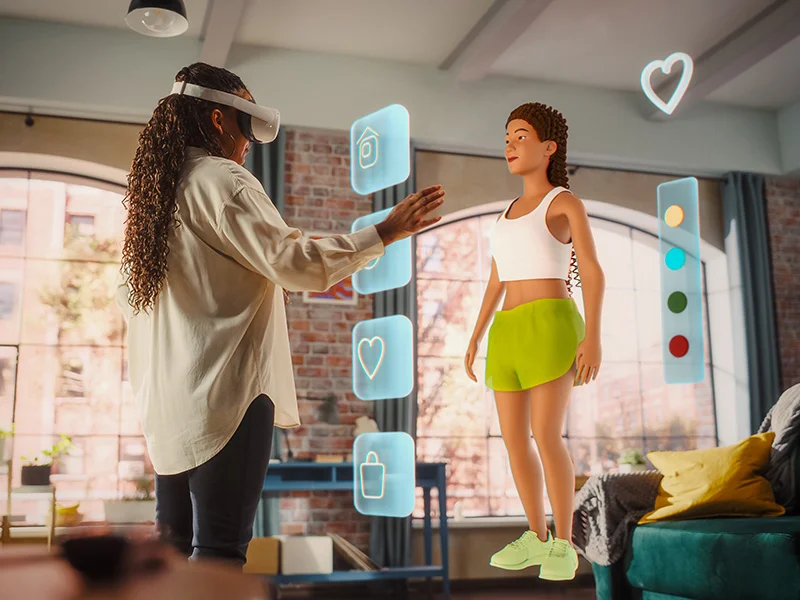
- AI also revolutionizes marketing and merchandising through virtual try-ons, AI-generated models, digital showrooms, and emotion AI to understand and meet consumer emotions and preferences more effectively.
- In the realm of high fashion, AI is increasingly used in events like the Met Gala, where it aids in creating virtual fashion, analyzing historical and cultural contexts, and driving innovation in red carpet events.
- The EU AI Act introduces comprehensive regulations to ensure the ethical and safe usage of AI, addressing challenges such as data privacy, ethics, and the potential environmental footprint of AI technologies.
- While AI offers numerous advantages to the fashion industry, its integration raises concerns regarding data privacy, algorithmic bias, workforce displacement, and high implementation costs, necessitating careful and ethical application.
- The future outlook for fashion suggests a human-machine partnership where AI augments human creativity without replacement, ensuring a productively efficient and sustainable future for the industry.