Social media can draw attention to atrocities – a key factor in reducing risk of recurrence
Social media can draw attention to atrocities – a key factor in reducing risk of recurrence
Publish Date: 2026-03-09 08:55:00
Source Domain: theconversation.com
- Social media, while often criticized for stoking violence, can play a crucial role in drawing attention to atrocities, helping to reduce their likelihood.
- The study compared social media’s impact in two very different contexts: Syria’s civil war and historical injustices against Indigenous peoples in Canada.
- Social media functions serve not just to express outrage but also to facilitate truth-telling, collective memory, and potentially contribute to atrocity prevention.
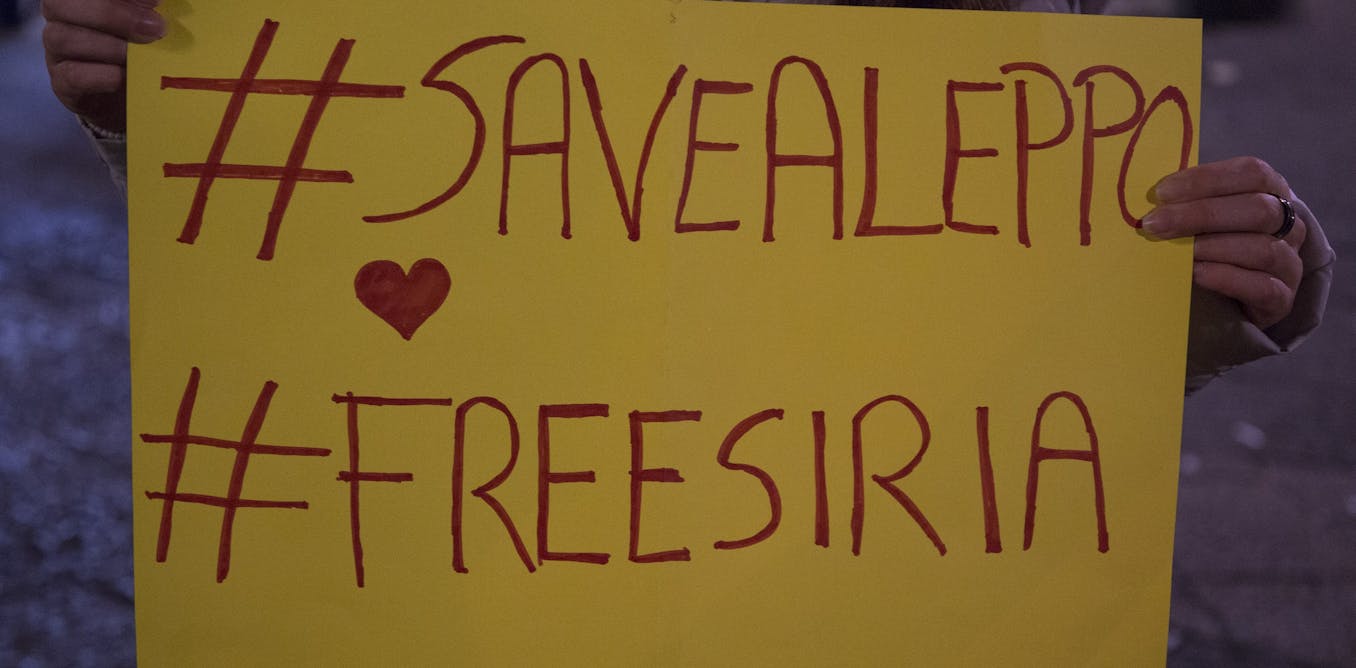
- Hashtag campaigns in Syria, such as #SaveSyria, documented atrocities, mobilized humanitarian aid, and engaged international audiences during the civil war.
- In Canada, hashtags like #TruthAndReconciliation aim to confront historical injustices and amplify Indigenous calls for reform.
- The study found that while social media engagement spikes during moments of crisis and significant reckoning, it doesn’t sustain long-term attention.
- The findings challenge the views that social media is inherently dangerous or inherently transformative, suggesting it is a midstream or downstream prevention tool depending on the context.
- Social media helps maintain visibility of historical injustices long after official reports are out, a factor in the UN’s long-term prevention strategies.
- Social media amplifies voices but relies on coordinated political action for sustainability; it should therefore be integrated rather than abandoned.
- Knowledge gaps remain regarding the conversion of online visibility into prevention outcomes and how platform algorithms shape collective memory over time, among other issues.
- Future research will expand the comparison to more contexts, examine algorithmic governance, and explore how online mobilization connects to offline prevention efforts.