How Artificial Intelligence Is Reviving a Decades-Old ATM Panic Code Concept
How Artificial Intelligence Is Reviving a Decades-Old ATM Panic Code Concept
Publish Date: 2026-02-12 06:09:00
Source Domain: www.webpronews.com
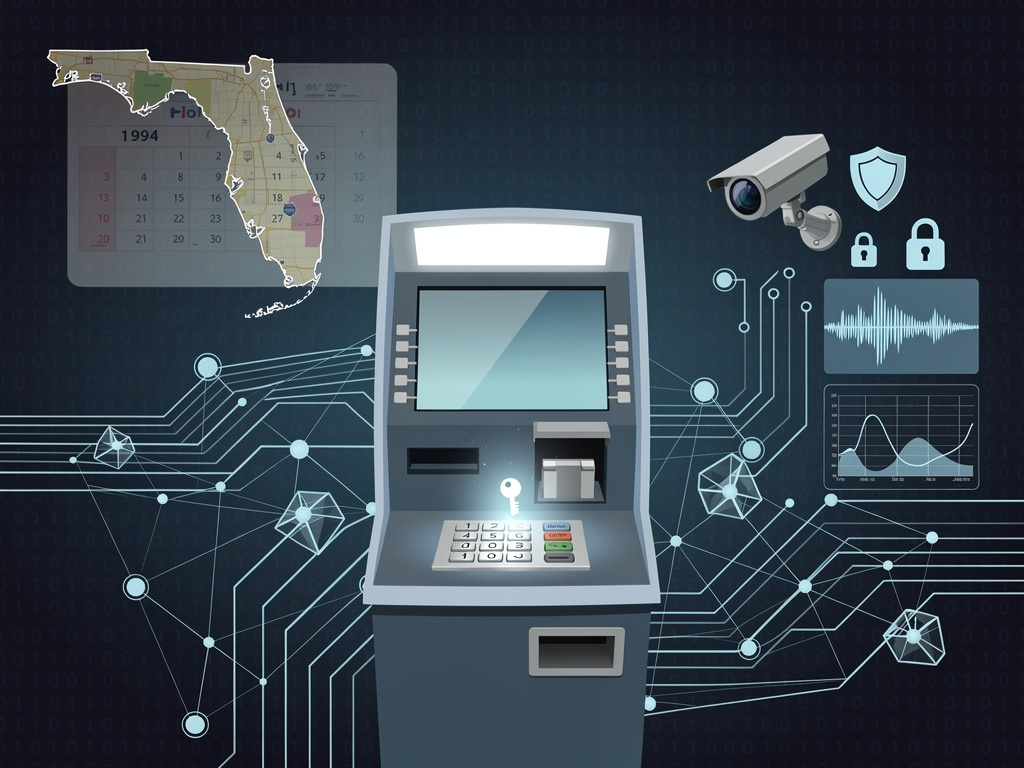
- Origin and History: The reverse-PIN concept originated in 1994 following a violent crime in Boca Raton, Florida, leading to Joseph Zingher’s patent for the SafetyPIN system in 1998. Despite public interest, the idea never materialized due to technical and practical barriers.
- Technical Barriers: The banking industry opposed the reverse-PIN idea due to palindrome issues, usability concerns under duress, and prohibitive retrofitting costs.
- Advancements in AI: Recent advances in AI and machine learning have re-energized discussions about ATM security by offering systems that can detect duress without requiring users to take deliberate actions.
- AI-Based Safety Measures: AI can utilize behavioral biometrics, camera systems, and computer vision to identify robbery scenarios and respond effectively.
- Emerging Legislative Interest: Growing public awareness and the lower costs of cloud-based AI analysis have renewed interest among lawmakers in ATM safety measures.
- Privacy Concerns: The use of AI for ATM surveillance has raised privacy issues, with debates around data collection and potential misuse of biometric technologies.
- Holistic Safety Approach: ATM safety still relies on combining advanced technology with basic preventive measures like well-lit locations and security cameras.
- Ongoing Vigilance: Despite technological progress, human awareness and safety practices remain crucial, emphasizing the need for balanced approaches to ATM security that consider safety, privacy, and cost.