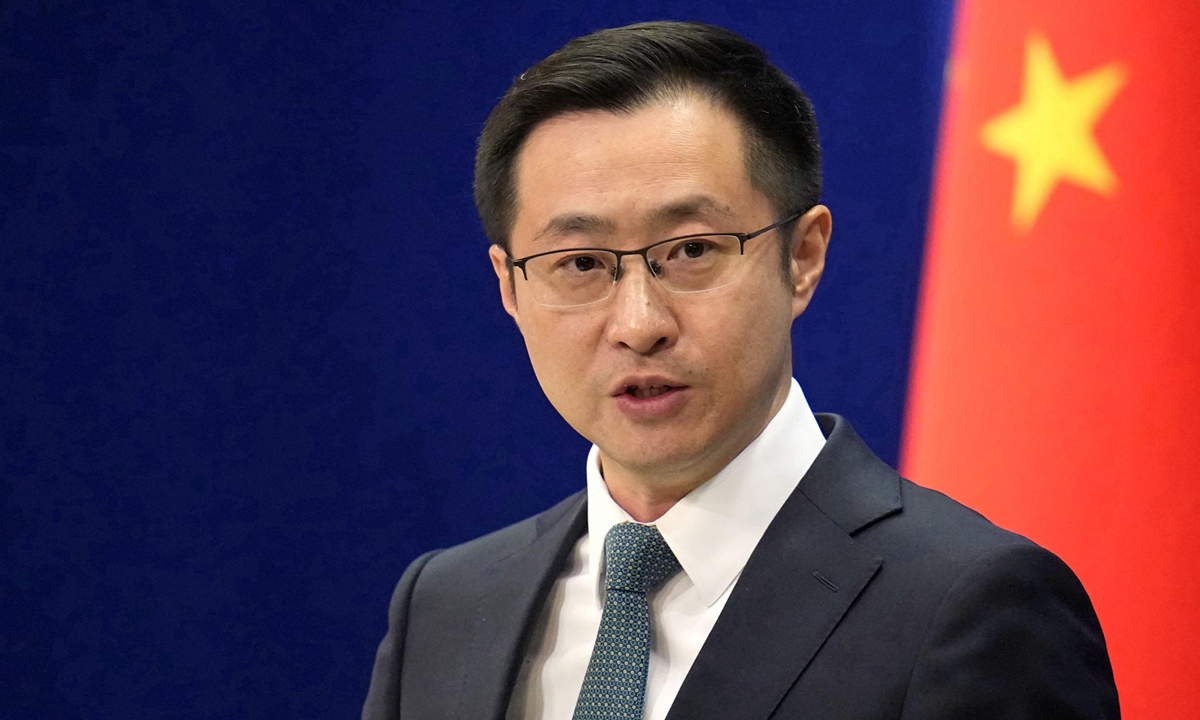
Zhipu’s founder makes the case for open frontier AI
Zhipu’s founder makes the case for open frontier AI
https://thenextweb.com/news/zhipu-tang-jie-frontier-ai-open-to-all
Publish Date: 2026-07-12 11:14:55
Source Domain: thenextweb.com
Summary
The founder of China’s most prominent AI lab, Zhipu, Tang Jie, has argued for the open accessibility of frontier AI in an internal memo reviewed by Bloomberg, advocating against the control of such advancements by a select few. Tang Jie suggests that true safety comes from broad participation, sharing, and oversight rather than through technological barriers. To demonstrate his point, Zhipu has released its GLM-5.2 under an open-source license, which is free to download and commercialize. However, his comments come shortly after reports from Reuters that Beijing is considering limiting overseas access to China’s most advanced open models, placing Tang Jie in opposition to a potential policy shift in his home country. Although open-source AI has been China’s strategic advantage, the government is currently debating whether it has given too much access. Tang Jie’s stance aligns with commercial benefits for Zhipu, as its models’ global spread is due to their accessibility and affordability. The debate revolves around whether the benefits of open-source advances, which allow multiple eyes to identify flaws, outweigh the risks of open access to powerful models that could fall into malicious hands.
Key Points:
-
Open Accessibility Advocacy: Tang Jie of Zhipu China argues for open accessibility of AI models, suggesting that broad participation and oversight enhance security rather than limit it.
-
Contradictory Government Stance: This viewpoint stands in contrast to Beijing’s contemplation of restricting overseas access to its advanced open models, which could limit the global availability of free frontier-class AI.
-
Commercial Implications: Zhipu’s models are commercially successful globally because they are freely accessible, raising stakes as cheaper Chinese models start to compete with US advancements.
-
Open Source vs. Security Risks: While there is a strong argument for the benefits of open-source AI in identifying flaws quickly, there exists a valid concern regarding the potential misuse of such powerful models by malicious actors.
-
Global Implications: If Beijing restricts access to open models as rumored, the world might see a significant reduction in the availability of free advanced AI, affecting global tech dynamics.