2026 World Cup scams surge: how fake websites are draining accounts and stealing data
2026 World Cup scams surge: how fake websites are draining accounts and stealing data
Publish Date: 2026-05-28 01:15:00
Source Domain: www.escudodigital.com
Using an unordered list, summarize the following article with between 4 and 8 key points.
On the occasion of the upcoming World Cup, which will be held in the United States, Canada, and Mexico starting on June 11, pages have already been detected that replicate almost in detail the official aesthetic of the organization: same colors, similar menus, nearly identical registration processes, and purchase forms designed to appear legitimate.
The strategy has a clear objective, of course, to take advantage of the excitement and urgency of those seeking tickets, exclusive products, or priority access to the tournament.
In global-scale events, attackers know that many users act quickly for fear of missing out on spots or losing a limited opportunity.
A visual deception practically identical to the original
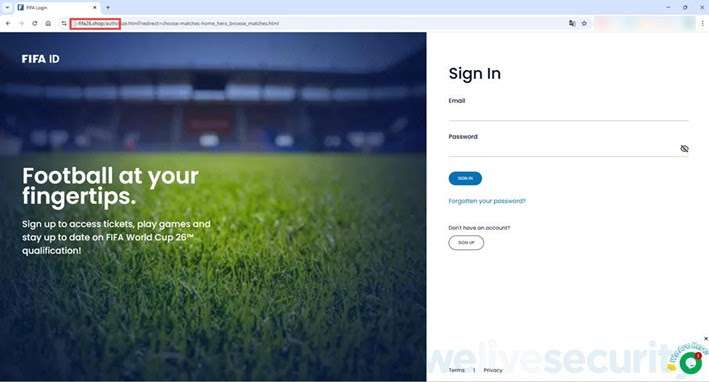
Analyses conducted by cybersecurity researchers have detected suspicious domains incorporating words related to FIFA and World Cup 2026, accompanied by extensions like .shop, .store, or .site.
The problem is that many users barely pay attention to these small details and focus their attention on the page design.
Josep Albors, director of research and awareness at ESET Spain, explains that “cybercriminals take advantage of global events of great media interest to exploit users’ urgency, excitement, and anxiety.” He also notes that the search for tickets and products linked to the championship becomes “the perfect bait to steal sensitive information.”
The sophistication of these campaigns has increased considerably. It’s no longer just about poorly designed pages or full of spelling errors.
In many cases, they replicate the entire purchase journey: ticket selection, forms, payment methods, and even automatic confirmation messages.
Typosquatting becomes an effective weapon again
One of the techniques used is called typosquatting. It involves registering domains almost identical to the official ones by modifying a letter, adding a hyphen, or changing the web extension. At first glance, the difference can go unnoticed.
For example, a user may search for the official page and end up entering a very similar address without realizing the change. Once inside, the truly dangerous phase begins.
Attackers invite users to create an account or complete a registration to supposedly access ticket purchases or exclusive merchandise. In that process, they request valuable information: full name, email address, phone number, and even login credentials.
Then comes the next step: the payment.
The risk doesn’t end with the theft of personal data
The fraud can go far beyond a fake reservation. If the user continues with the purchase, they end up accessing a manipulated banking gateway where they enter their card details. At that moment, cybercriminals can obtain financial information or make unauthorized charges.
Specialists also warn of an added problem: many people reuse the same password on different platforms.
This means that a password entered on a fake page could open the door to emails, social networks, banking applications, or professional accounts.
The campaign seems to be organized on a large scale
Researchers argue that this is not a single isolated fraudulent page. The appearance of numerous domains with similar designs, structures, and processes points to a coordinated and sustained operation over time.
The model is simple for attackers: they register multiple variants, keep different pages active, and if some are taken down, others continue to operate.
This system allows them to extend the reach of the fraud and prolong the campaign’s lifespan.
How to avoid falling into the trap
FIFA reminds that official ticket sales are conducted exclusively through their authorized channels. Buying outside of these spaces may involve fake, duplicated, or canceled tickets.
Experts also recommend some basic measures:
Review the full address. Small changes in the domain can make a difference.
Avoid promoted links. Many frauds are spread through ads or social networks.
Be wary of excessively attractive offers. Promises of VIP access, unique discounts, or limited availability are often used to create pressure.
Do not reuse passwords. A single leak can compromise numerous services.
Carefully review the payment gateway. A strange detail during the process can be a clear sign of fraud.
Don’t let them score against you; make this World Cup your best win yet.
On the occasion of the upcoming World Cup, which will be held in the United States, Canada, and Mexico starting on June 11, pages have already been detected that replicate almost in detail the official aesthetic of the organization: same colors, similar menus, nearly identical registration processes, and purchase forms designed to appear legitimate.
The strategy has a clear objective, of course, to take advantage of the excitement and urgency of those seeking tickets, exclusive products, or priority access to the tournament.
In global-scale events, attackers know that many users act quickly for fear of missing out on spots or losing a limited opportunity.
A visual deception practically identical to the original
Analyses conducted by cybersecurity researchers have detected suspicious domains incorporating words related to FIFA and World Cup 2026, accompanied by extensions like .shop, .store, or .site.
The problem is that many users barely pay attention to these small details and focus their attention on the page design.
Josep Albors, director of research and awareness at ESET Spain, explains that “cybercriminals take advantage of global events of great media interest to exploit users’ urgency, excitement, and anxiety.” He also notes that the search for tickets and products linked to the championship becomes “the perfect bait to steal sensitive information.”
The sophistication of these campaigns has increased considerably. It’s no longer just about poorly designed pages or full of spelling errors.
In many cases, they replicate the entire purchase journey: ticket selection, forms, payment methods, and even automatic confirmation messages.
Typosquatting becomes an effective weapon again
One of the techniques used is called typosquatting. It involves registering domains almost identical to the official ones by modifying a letter, adding a hyphen, or changing the web extension. At first glance, the difference can go unnoticed.
For example, a user may search for the official page and end up entering a very similar address without realizing the change. Once inside, the truly dangerous phase begins.
Attackers invite users to create an account or complete a registration to supposedly access ticket purchases or exclusive merchandise. In that process, they request valuable information: full name, email address, phone number, and even login credentials.
Then comes the next step: the payment.
The risk doesn’t end with the theft of personal data
The fraud can go far beyond a fake reservation. If the user continues with the purchase, they end up accessing a manipulated banking gateway where they enter their card details. At that moment, cybercriminals can obtain financial information or make unauthorized charges.
Specialists also warn of an added problem: many people reuse the same password on different platforms.
This means that a password entered on a fake page could open the door to emails, social networks, banking applications, or professional accounts.
The campaign seems to be organized on a large scale
Researchers argue that this is not a single isolated fraudulent page. The appearance of numerous domains with similar designs, structures, and processes points to a coordinated and sustained operation over time.
The model is simple for attackers: they register multiple variants, keep different pages active, and if some are taken down, others continue to operate.
This system allows them to extend the reach of the fraud and prolong the campaign’s lifespan.
How to avoid falling into the trap
FIFA reminds that official ticket sales are conducted exclusively through their authorized channels. Buying outside of these spaces may involve fake, duplicated, or canceled tickets.
Experts also recommend some basic measures:
Review the full address. Small changes in the domain can make a difference.
Avoid promoted links. Many frauds are spread through ads or social networks.
Be wary of excessively attractive offers. Promises of VIP access, unique discounts, or limited availability are often used to create pressure.
Do not reuse passwords. A single leak can compromise numerous services.
Carefully review the payment gateway. A strange detail during the process can be a clear sign of fraud.
Don’t let them score against you; make this World Cup your best win yet.
Become a premium member for free!