Artificial Intelligence at the service of humanity
Artificial Intelligence at the service of humanity
https://www.focolare.org/en/artificial-intelligence-at-the-service-of-humanity/
Publish Date: 2026-05-27 03:11:00
Source Domain: www.focolare.org
-
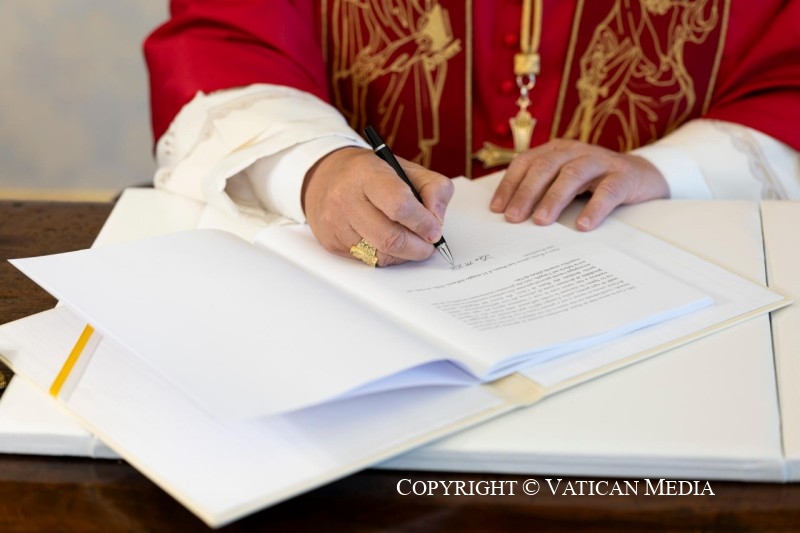
Historical Moment in the Church: On May 25th, 2026, Pope Leo XIV presented his first encyclical, “Magnifica Humanitas,” at the Vatican’s Synod Hall, marking the first time a Pope directly presents his magisterial document.
-
Context and Importance of the Encyclical: The encyclical addresses the ethical implications and safeguarding of the human person in the era of Artificial Intelligence (AI), drawing parallels to the Church’s historical response to industrial transformations.
-
Content Focus and Appeal: Pope Leo XIV emphasizes the need to “disarm” AI, using it deliberately for the common good and ensuring it doesn’t erode critical thought or peace. The Church calls for global participation in guiding technology ethically.
-
Collaboration and Involvement: The encyclical illustrates a decade-long effort by the Holy See to understand technological impacts with input from scientists, religious voices, and policymakers to foster a collaborative global response.
-
Ethical and Structural Concerns: The document highlights that technologies, if not regulated equitably, can lead to new forms of inequality and control. It challenges the concentration of power in a few entities and advocates for ethical use, transparency, and accountability.
-
Call for Ethical AI Use and Governance: Pope Leo XIV stresses that AI in military contexts must be strictly constrained by ethical norms as war can never be morally just. He calls for ethical governance and a new communication ecology to combat misinformation.
-
Invitation to Live Out Christian Values in Tech Age: The encyclical concludes with a call for individual and collective responsibility to integrate technology in a way that upholds human dignity and reflects Christian virtues in the age of AI.