The MCP Revolution and the Search for Stable AI Use Cases
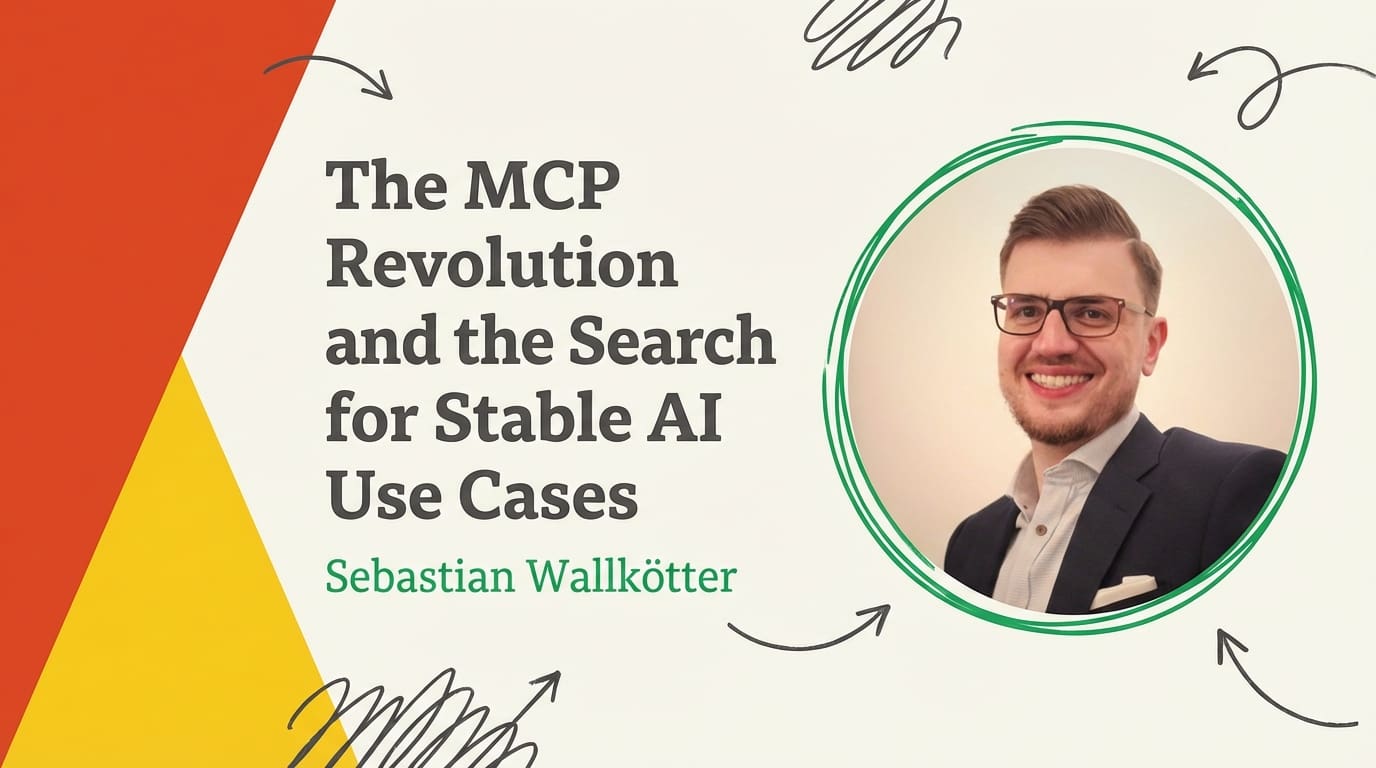
The MCP Revolution and the Search for Stable AI Use Cases
https://www.kdnuggets.com/the-mcp-revolution-and-the-search-for-stable-ai-use-cases
Publish Date: 2026-05-16 10:35:49
Source Domain: www.kdnuggets.com
The Model Context Protocol (MCP), released by Anthropic, quickly became an industry standard for enabling artificial intelligence (AI) models to interact with external tools, due to its simplicity and clear utility. However, the rapid adoption of MCP highlighted several critical issues: security challenges, such as the lack of authentication in the first version, leading to vulnerability in tool usage and the prompt injection problem that allows malicious overrides; the overload of tools, causing performance degradation; and the broader issue of determining when AI is truly advantageous over simpler solutions. Sebastian Wallkötter’s insights from his dual expertise in robotics and commercial AI systems emphasize the importance of finding practical applications for AI capabilities. He highlights that while MCP has the potential to revolutionize AI interactions, it necessitates careful consideration of its limitations and the need for robust security and design frameworks to ensure responsible deployment. The article concludes by posing a crucial question about the balance between technological capability and practical necessity in AI implementation.
Key Points:
1. MCP rapidly achieved industry standard status due to its practical simplicity and utility.
2. Security concerns arose from initial vulnerabilities, especially in authentication and prompt injection.
3. An overabundance of tools in MCP integrations degrades model performance and complicates agent architecture.
4. There is a need to judiciously determine when AI provides genuine value over simpler, more reliable alternatives.
5. Assessing the practical and cost-effective uses of technology is essential to ensure responsible AI deployment and avoid the pitfalls of the unstable equilibrium seen in humanoid robotics.