Graduates are booing pep talks on artificial intelligence
Graduates are booing pep talks on artificial intelligence
Publish Date: 2026-05-19 16:38:00
Source Domain: www.boston.com
- Student Anxiety Towards AI: Recent commencement speeches at several universities have faced strong disapproval from graduates concerned about the potential job-displacing effects of AI.
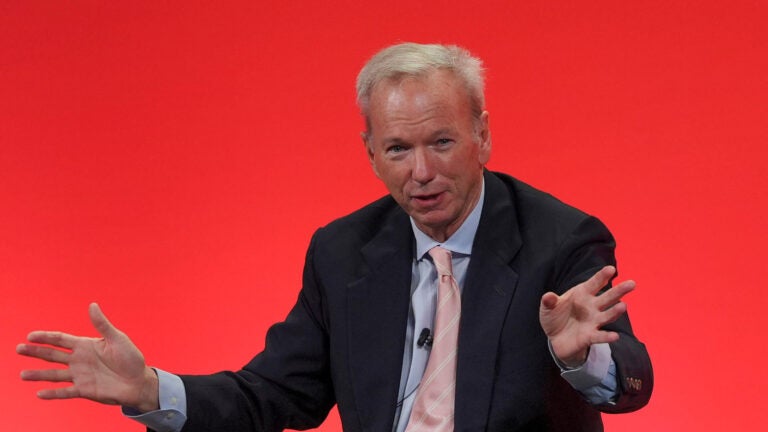
- Eric Schmidt’s Controversial Talk: Former Google CEO, Eric Schmidt, received boos while addressing University of Arizona graduates about the pervasive impacts of AI on various sectors, which was perceived as dismissive of student fears.
- Pervasive Career Worries: Many college students are anxious about AI rendering their degrees and skills obsolete, with approximately 70% viewing AI as a threat to their job prospects, according to a Harvard Kennedy School poll.
- Industry Optimism vs. Student Skepticism: Speakers like real estate executive Gloria Caulfield and music industry leader Scott Borchetta received booing while discussing AI’s beneficial aspects, highlighting students’ prevailing skepticism.
- Job Market Challenges: The negative reception also reflects a broader frustration with the already tough job market for new graduates, causing heightened sensitivity to any topic perceived as undermining their future employment prospects.
- Backlash Against AI Enthusiasm: The backlash underscores a general trend within Gen Z to feel increasingly negative about AI, with declining optimism balanced against rising day-to-day usage, according to Gallup data.
- Controversial Speaker Selection: The choice of certain keynote speakers, like Schmidt, has stirred controversy not only due to their advocacy for AI but also due to associations with controversial figures such as Jeffrey Epstein.
- Grads’ Real-life Struggles: Specific testimonials, such as those from Olivia Malone and Sami Wargo, illustrate how students’ personal experiences amplify their broader concerns and underscore the emotional weight of the commencement discourse.