Researchers Manage to Distinguish the Handwriting of Different Hittite Scribes in Cuneiform Tablets with Artificial Intelligence
Publish Date: 2026-05-18 05:11:00
Source Domain: www.labrujulaverde.com
-
Artificial Intelligence Tool Recognized Individual Cuneiform Signatures: Palaeographicum is an artificial intelligence tool developed by the Julius-Maximilians University of Würzburg and the Academy of Sciences and Literature in Mainz that recognizes unique variations in cuneiform signs found on ancient Anatolian clay tablets.
-
Streamlines Comparison of Tablet Fragments: Palaeographicum reduces the time taken to compare fragments from three days to merely five minutes and can distinguish between the handwriting of different scribes who lived there 3,500 years ago.
-
Cuneiform Writing System in Ancient Near East: Cuneiform, which emerged in the Ancient Near East thousands of years ago, involved pressing wedge-shaped characters into clay tablets. Over time, these tablets broke and became scattered globally, complicating research efforts.
-
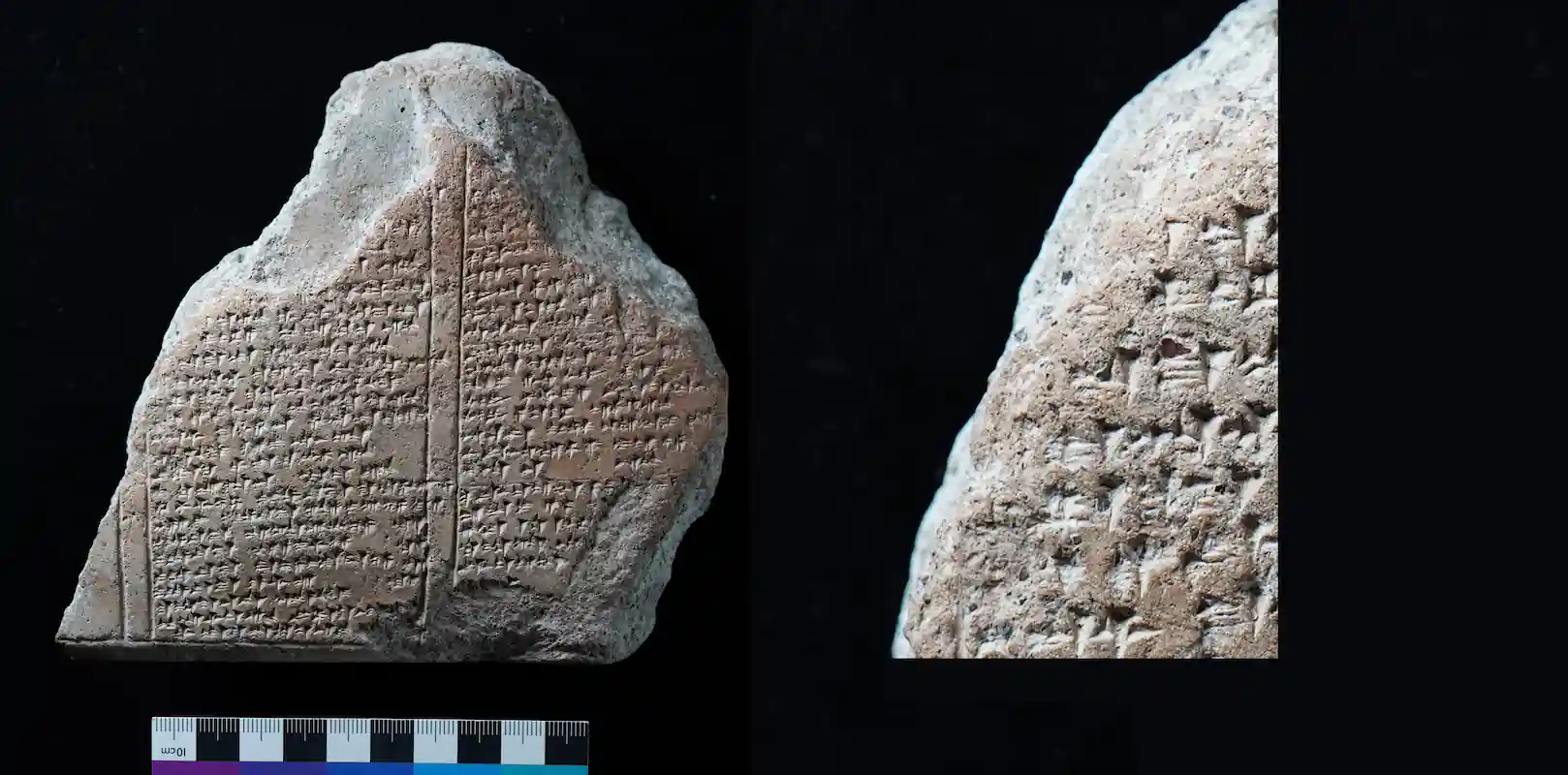
Focus on Hittite Tablets: The Würzburg and Mainz team has focused on the cuneiform tablets of the Hittite culture, which includes more than 375 cuneiform characters.
-
Digital Contributions and Milestones: Significant milestones include the creation of the Hittitology Portal, a digital catalog of Hittite tablets; and tools like TLHdig for computerized reconstruction of tablets, and the latest Palaeographicum.
-
Recognizing Individual Character Shapes: Palaeographicum scans and identifies individual cuneiform shapes and handwriting styles, aiding in reassembly of tablet fragments and distinguishing different scribes’ work.
-
Massive Database of Cuneiform Characters: The tool can handle a current database of 70,000 photographs documenting over five million cuneiform characters to recognize and assemble cuneiform writing.
-
Future Aspirations for Full Scribe Recognition: The ultimate goal is for the AI to automatically recognize individual scribes’ handwriting styles, potentially leading to detailed social history reconstruction of the Hittite written culture.