Study reveals hidden damage in stony corals using 3D imaging and AI
Study reveals hidden damage in stony corals using 3D imaging and AI
Publish Date: 2026-05-08 06:40:00
Source Domain: www.theinvadingsea.com
Here are six key points summarizing the article on Florida’s coral reef study conducted by Florida Atlantic University researchers:
-
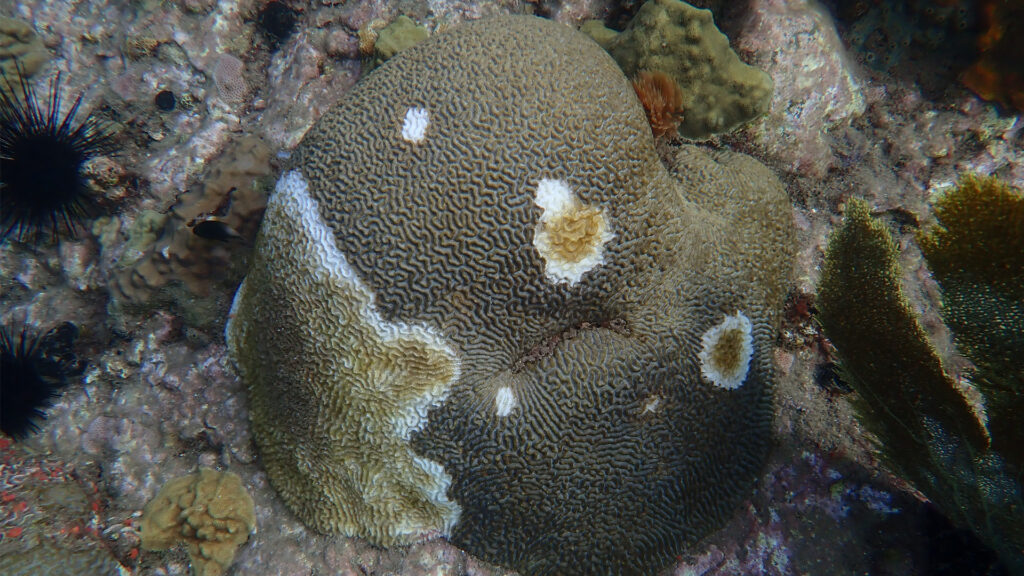
Coral Reef Crisis: Florida’s coral reefs are severely impacted by stony coral tissue loss disease (SCTLD), which has rapidly decimated vast numbers of reef-building corals since 2014.
-
Technical Challenges: Understanding how diseases affect the microscopic structure of coral skeletons has been particularly difficult due to the complexity and subtlety of these changes.
-
Micro-CT Imaging Solution: Florida Atlantic University researchers utilized X-ray microcomputed tomography (micro-CT) to generate detailed 3D reconstructions of coral skeletons, allowing the non-destructive analysis of internal features like porosity, density, and thickness.
-
Deep Learning Integration: The micro-CT data was enhanced by using deep learning techniques, specifically convolutional neural networks (CNNs) which accurately distinguished between coral skeletons and pore spaces, offering a faster and more reliable method than traditional approaches.
-
Model Performance: The study evaluated three deep learning models, revealing that the Attention U-Net model was particularly effective, providing high accuracy quickly even across different coral species.
-
Implications for Coral Health: The combination of micro-CT and deep learning provides crucial insights into how environmental stressors like diseases affect coral skeletons and helps develop better strategies for coral restoration and protection, aiming to enhance the long-term resilience of Florida’s coral reefs.
For the complete study, visit FAU’s news desk article or refer to their publication in the Journal of Structural Biology.