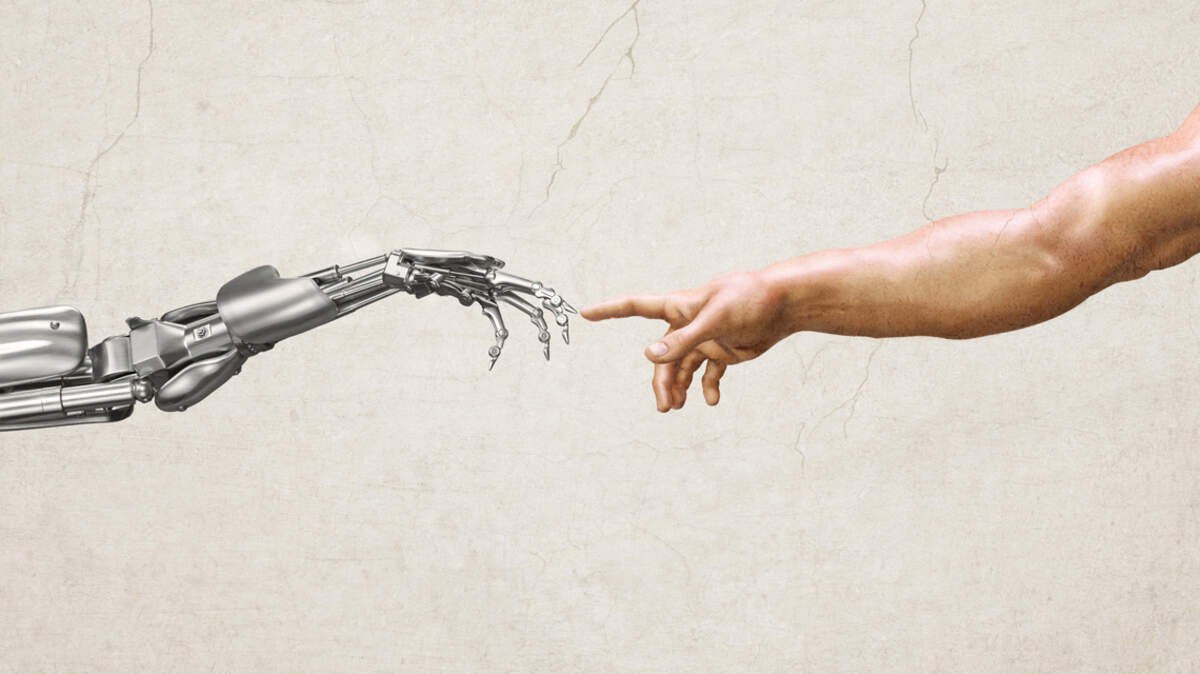
Many people now trust AI with their feelings. And therapists want to talk about it
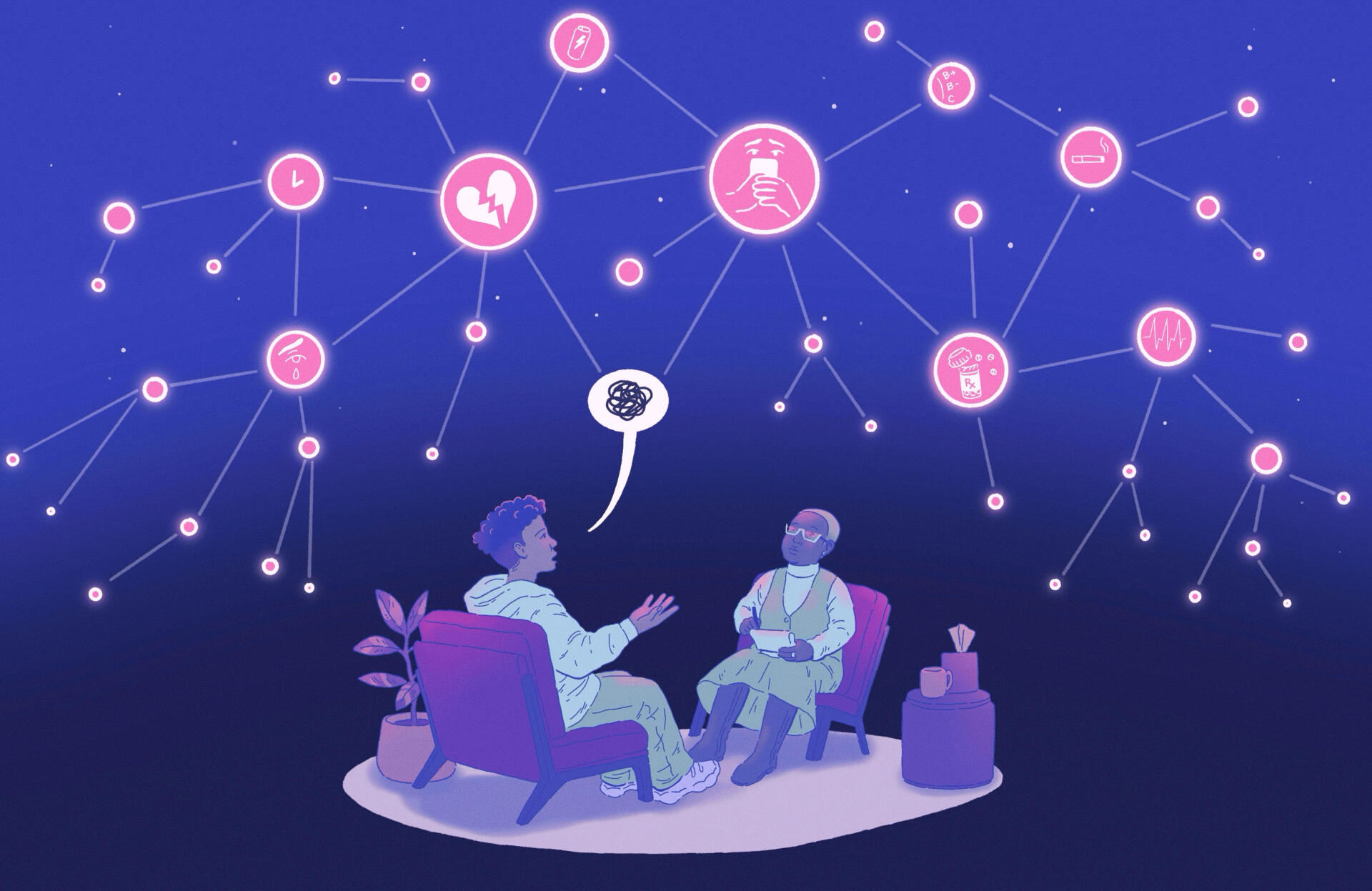
Many people now trust AI with their feelings. And therapists want to talk about it
https://www.wbur.org/news/2026/05/07/artificial-intelligence-therapy-mental-health-care
Publish Date: 2026-05-07 06:02:00
Source Domain: www.wbur.org
Here are 6 key points from the article summarizing how individuals and mental health professionals utilize AI chatbots:
-
Personal Emotional Support:
- Individuals like Suzi Sanford use AI chatbots like Claude for personal emotional support, helping them to process and organize their thoughts between therapy sessions.
-
Therapist Use in Practice:
- Therapists, such as Dr. Christine Crawford, use AI chatbots to process their own emotions and gain perspectives on difficult cases. They caution about data privacy concerns while using these tools.
-
Understanding Client AI Use:
- Clinicians discuss AI use with clients to understand their mental health better. This discussion helps bridge the gap between virtual and in-person therapy sessions.
-
Ethical and Safety Concerns:
- Mental health professionals are cautious about the potential risks and ethical dilemmas of AI as a substitute for human emotional support and therapy.
-
Research and Regulation:
- Dr. John Torous and his team at the digital psychiatry division are developing tools to rate AI chatbots’ efficacy and safety in responding to mental health issues.
-
Specialized AI Therapy:
- Projects like Therabot aim to deliver more regulated and evidence-based mental health chatbots, although there are ongoing debates about regulation and the role of AI in clinical psychology.