Elon Musk vs Sam Altman: how the legal battle of the tech billionaires could shape the future of AI
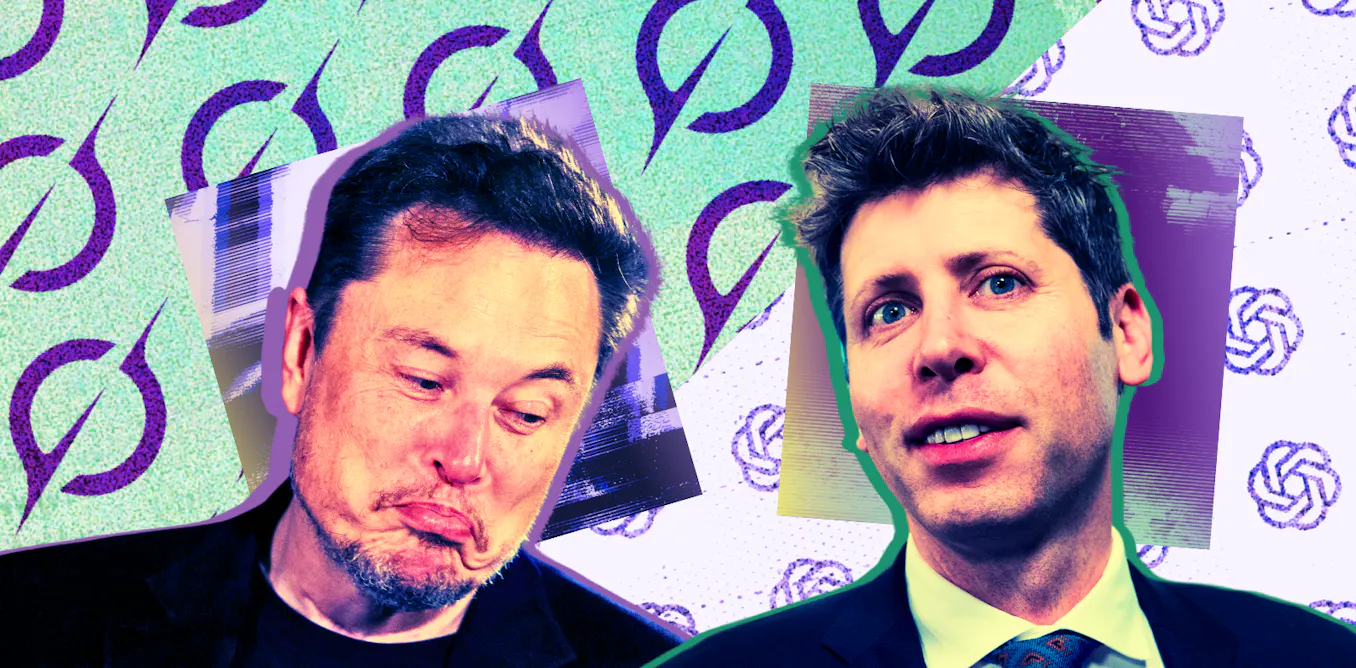
Elon Musk vs Sam Altman: how the legal battle of the tech billionaires could shape the future of AI
Publish Date: 2026-04-29 02:02:00
Source Domain: theconversation.com
Here’s a summary of the key points from the article regarding the legal battle between Elon Musk and Sam Altman over OpenAI:
-
Origins of the Feud: Elon Musk and Sam Altman cofounded OpenAI in 2015. Musk initially helped fund and shape the company but later withdrew from the board in 2018.
-
Center of the Lawsuit: The lawsuit, launched by Musk in 2024, focuses on how OpenAI transitioned from a non-profit to a for-profit organization, which is now reshaping the future of AI.
-
Allegations and Claims: Musk alleges that Altman and OpenAI’s president, Greg Brockman, breached their contract and duty by restructuring OpenAI into a for-profit entity while misleading him about the shared use of artificial general intelligence (AGI).
-
OpenAI’s Defense: OpenAI disputes Musk’s claims, accusing him of proposing the merger with Tesla in 2017 and walking away when denied control. They suggest the lawsuit is motivated by jealousy and aimed at harming a competitor.
-
Trial’s Impact: The trial is occurring at a sensitive time for OpenAI, which is facing substantial financial losses and internal pressures, including controversy surrounding Altman.
-
Musk’s Demands: Musk is seeking to reverse the for-profit conversion of OpenAI, remove Altman from both the non-profit and for-profit boards, strip Altman and Brockman of their for-profit roles, and seek damages amounting to $130 billion.
-
Consequences at Stake: In the event of a win for Musk, the impact could be significant, including derailing OpenAI’s planned IPO, altering the financial standing of recent investors, and potentially changing how mission-driven charities transition to commercial entities.
-
Public Implications: Even if Musk loses, the trial’s revelations could impact public perception and governance within Silicon Valley tech firms and highlight broader concerns about the direction and consequences of the AI industry.


