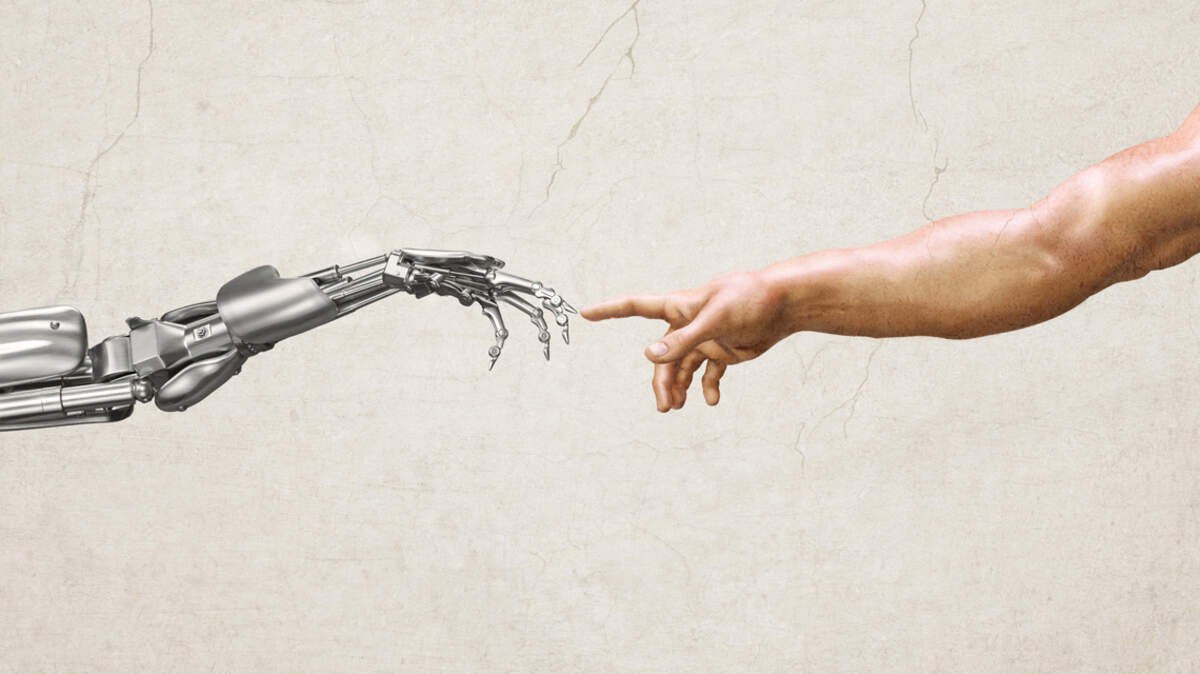
Why AI shouldn’t be used even to decide ‘simple’ court cases

Why AI shouldn’t be used even to decide ‘simple’ court cases
https://theconversation.com/why-ai-shouldnt-be-used-even-to-decide-simple-court-cases-273535
Publish Date: 2026-04-07 11:20:00
Source Domain: theconversation.com
-
Impact of Generative AI in Various Industries: Generative AI has significantly impacted several sectors including healthcare, education, entertainment, finance, and law, bringing profound changes to traditional practices.
-
Risks in Judicial Use of Generative AI: Introducing generative AI in court adjudication poses risks such as erroneous outcomes, lack of transparency, and potential discrimination, which could undermine justice.
-
Current Adoption and Guidelines: Despite the risks, some judges are already using generative AI for tasks like document drafting. Jurisdictions like the UK have issued guidelines recommending the use of AI in preparatory work but caution against its use in core judicial functions.
-
Debate on AI’s Role in Judicial Decisions: Senior judicial leaders suggest AI could aid in “low-stakes” cases with human oversight. Prominent figures like Geoffrey Vos advocate for responsible AI use but call for serious debate on its implications for human rights.
-
Testing AI in Mechanical Cases: Several jurisdictions are experimenting with AI in cases considered “mechanical,” like pension calculations, to explore efficiency gains while maintaining human oversight.
-
Concerns About Algorithmic Adjudication: Legal scholars argue that substituting AI for human judges, even in routine cases, risks undermining the fundamental principle of justice, which includes the right to a fair hearing and trial, and could lead to a two-tier justice system.
-
Efficiency vs. Justice: While the promise of efficiency is a key motivator for integrating generative AI in courts, it comes with significant risks, including loss of public trust and increased case appeals. This raises concerns about whether the benefits truly outweigh the ethical implications and loss of fundamental judicial values.