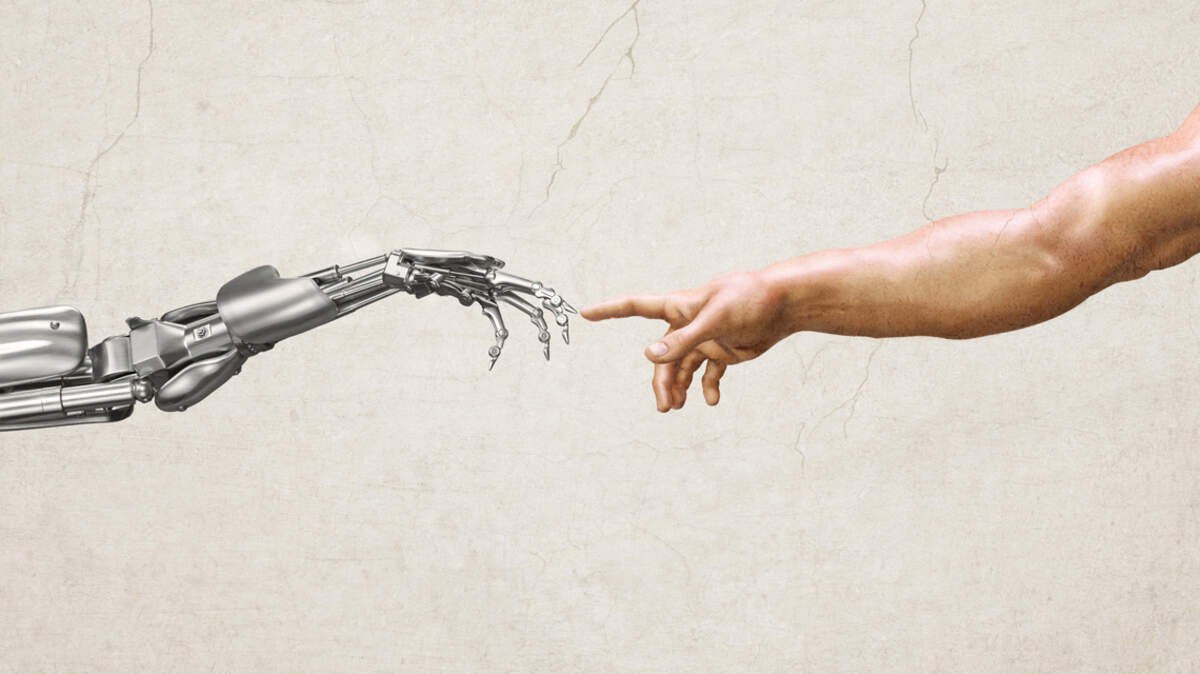
AI can describe human experiences but lacks experience in an actual ‘body.’ UCLA researchers say understanding this ‘body gap’ may matter for safety – Psychiatry
https://www.uclahealth.org/news/release/ai-can-describe-human-experiences-lacks-experience-actual
Publish Date: 2026-04-07 07:59:00
Source Domain: www.uclahealth.org
Here are six key points regarding the UCLA Health study on artificial intelligence systems:
-
Bodily Experience in Human Brain Function: The brain’s complex functionality during simple actions, like reaching for salt across a table, involves a lifetime of bodily experience and social awareness which humans naturally integrate in a fraction of a second.
-
Limited Abilities of Current AI Systems: Contemporary advanced AI systems lack the bodily mechanisms and internal awareness that humans use to interact with and understand the physical world, according to UCLA Health researchers.
-
Concept of Internal Embodiment: The study proposes the concept of “internal embodiment,” which refers to an AI system’s ability to interact not just with the external world but also monitor and understand its own internal states, such as uncertainty or fatigue.
-
Dual-Embodied Framework: The research suggests a “dual-embodiment framework” to guide the future development of AI, incorporating principles to model both external interactions with the world and internal state monitoring.
-
Limitations of AI in Current Developments: AI systems fail in tasks reliant on bodily experience, like recognizing point-light displays despite extensive training on text and images, highlighting a critical gap in current AI capabilities.
-
Proposed New Benchmarks for AI: To advance the research, the authors propose new benchmarks that assess an AI system’s ability to monitor its own internal states, maintain stability under disruption, and exhibit prosocial behavior.