AI makes rewilding look tame – and misses its messy reality
AI makes rewilding look tame – and misses its messy reality
https://theconversation.com/ai-makes-rewilding-look-tame-and-misses-its-messy-reality-279351
Publish Date: 2026-03-27 12:18:00
Source Domain: theconversation.com
-
Introduction of AI in Imagining Nature:
Artificial intelligence is increasingly used to create visual depictions of imagined landscapes and scenes. -
Study on AI Generated Rewilded Landscapes:
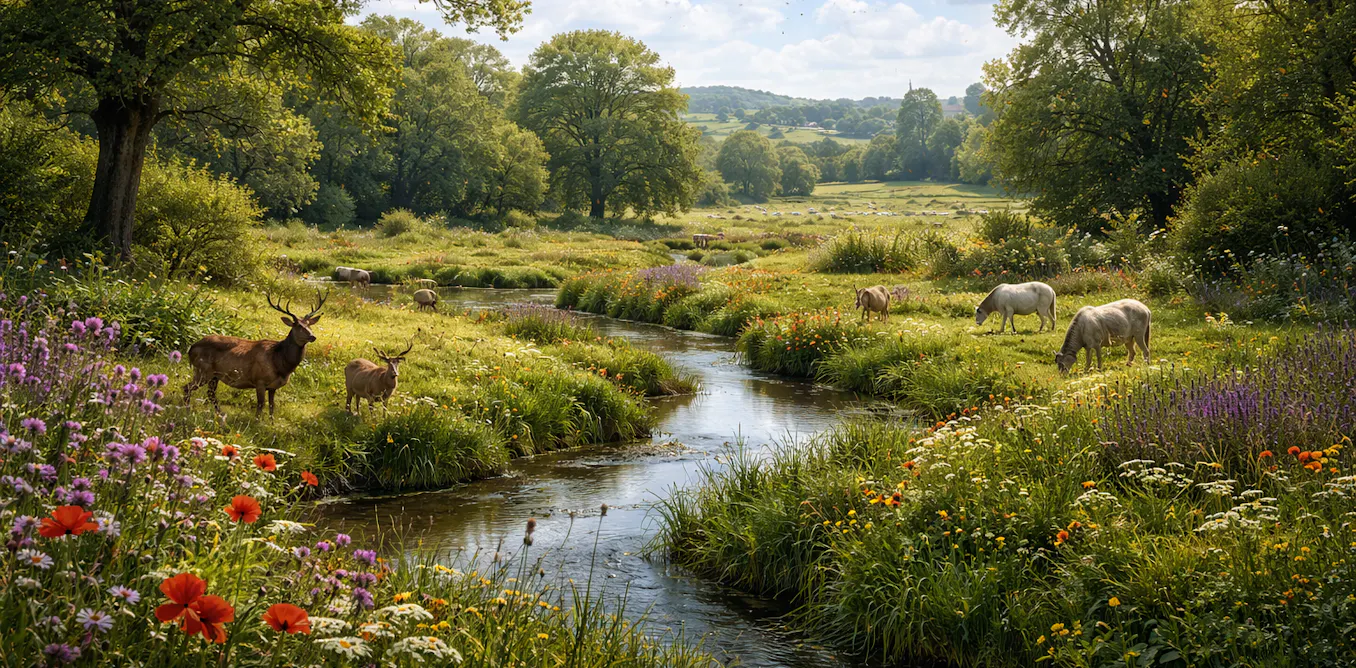
Geographers at the University of Aberdeen studied how AI models like Gemini and ChatGPT generate images of rewilded Britain. -
Similarity and Lack of Detail in AI Images:
AI-generated images generally feature harmonious, polite, and visually appealing landscapes without decay, death, or dangerous animals. -
Absence of People and Complex Ecosystem Dynamics:
Generated images typically lack people, build structures, decay, and elements like wolves, lynx, or bison, and often show only idealized views of nature. -
Difference in Specific Instructions:
Only with highly specific prompts regarding species and ecosystem details does AI generate images resembling the chaotic and ecological messiness of true rewilding. -
Influence on Public Perception of Rewilding:
The AI models reflect the sanitized and aestheticized view of environments, potentially impacting public perception of the untidy reality of rewilding projects. -
Historical Context of Imagining Nature:
The way humans imagine nature has varied historically, from disdain for wild landscapes to romanticism valuing natural beauty, significantly influencing conservation policies. -
Potential Misunderstanding of Natural Processes:
The AI landscapes focus on the prettified aspect of nature, which may mislead public understanding and acceptance of the often less picturesque reality of actual rewilded areas.