Combined machine learning – 3D physics based approach for building damage evaluation: the case of L’Aquila 2009
https://www.nature.com/articles/s41598-026-45377-5
Publish Date: 2026-03-26 23:45:00
Source Domain: www.nature.com
- The integration of artificial intelligence (AI) and machine learning (ML) techniques in geoscience and earthquake engineering is reviewed extensively.
- Key advancements include the application of AI for rapid classification and assessment of earthquake damage to buildings through various machine learning models.
- The use of physics-based simulations and empirical methods to predict seismic fragility and generate ground motion models has been significantly enhanced through AI.
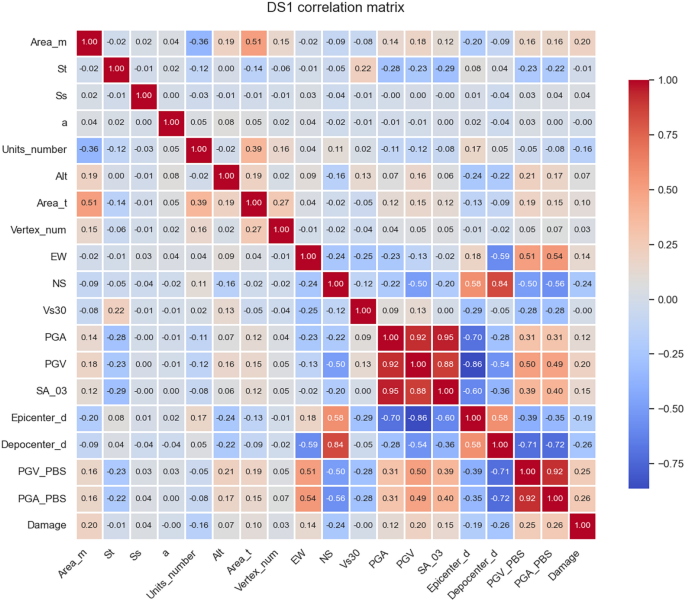
- Multiple case studies highlight the utilization of ML in analyzing the impact and damage from significant earthquakes, such as the L’Aquila and Amatrice earthquakes in Italy.
- Advances in data collection, processing, and the creation of databases like ShakeMaps and DInSAR measurements are facilitated by AI to better understand seismic events and their effects.
- Challenges remain in accurately predicting and mitigating seismic hazards, which necessitates continued innovation and integration of AI in the field.