New research examines trust in AI as first responders train with robotic teammates
New research examines trust in AI as first responders train with robotic teammates
Publish Date: 2026-03-11 09:06:00
Source Domain: www.kennesaw.edu
Here is a summary of the article, consisting of six key points:
-
Emergency Response Innovation: Kennesaw State University researcher Hansol Rheem is investigating the use of virtual reality and robotic teammates to help prepare emergency responders for mass-casualty events, focusing on life-saving decisions in high-pressure situations.
-
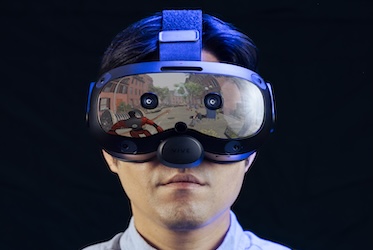
Study Design: Rheem designed a video game using both computer-based and virtual reality formats to simulate mass casualty events, pairing participants with a robotic teammate that provides hints during the simulation.
-
Participant Groups: Study participants were divided into three groups based on how they perceived the robot’s role: observer (human-controlled robot), collaborator (AI-powered robot), and competitor (AI-powered robot).
-
Findings on Trust and Learning: Participants in the observer group, believing the robot was controlled by a human, showed the greatest learning gains and attributed their success to the robot. The collaborator group was more inclined to blame failures on the robot.
-
Implications for Trust in AI: Rheem relates findings to the psychological concept of trust in AI, noting that framing an AI’s role as an observer improves trust and collaboration compared to framing it as a collaborator or competitor.
-
Future Directions: The research aims to develop training techniques that enhance professionals’ ability to collaborate with AI, in anticipation of more integrated human-AI teamwork in the future.