Will AI drones, robots and wearable sensors revolutionize workplace safety?
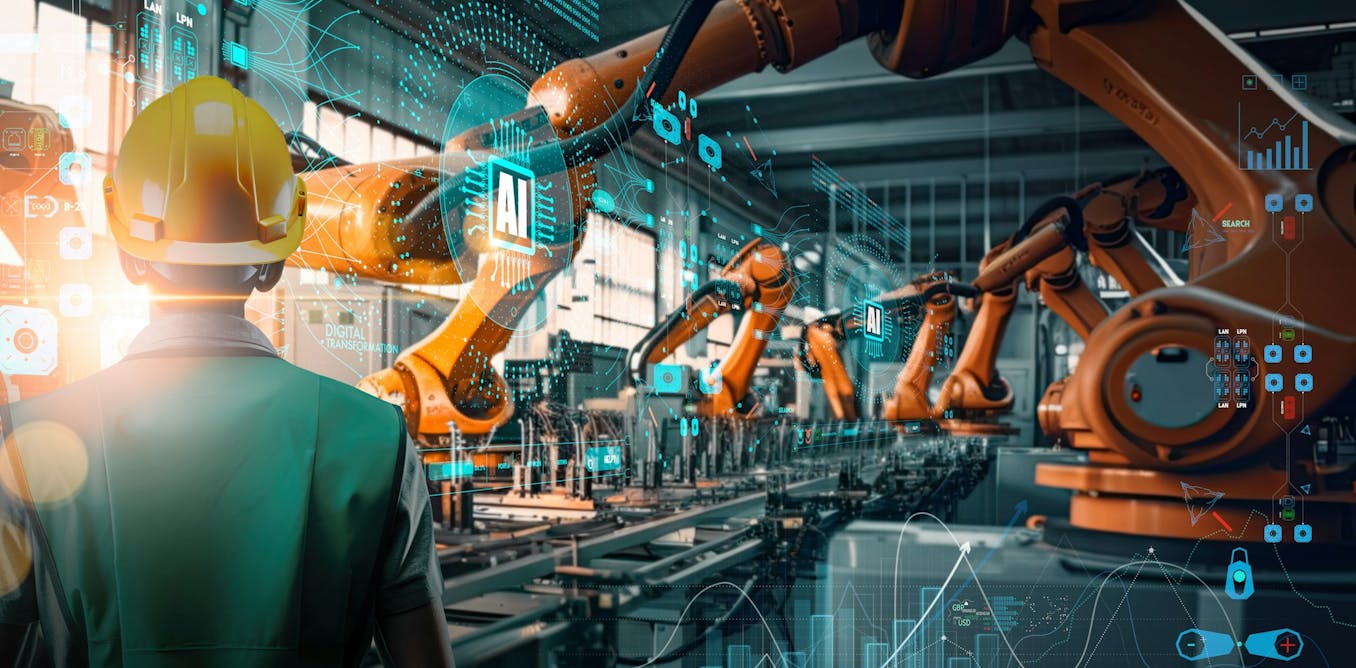
Will AI drones, robots and wearable sensors revolutionize workplace safety?
Publish Date: 2026-03-04 09:58:00
Source Domain: theconversation.com
- Around 60% of Canadian employees may see transformations in their jobs through AI, often augmenting rather than replacing their work.
- High-risk sectors such as construction, oil and gas, mining, and heavy manufacturing can greatly benefit from AI-driven safety measures.
- AI systems, like machine learning, can enhance traditional safety practices by continuously monitoring and adapting to risks and providing real-time support.
- Wearable AI technologies such as smart helmets, boots, and wrist sensors track worker conditions to preempt accidents and musculoskeletal disorders.
- AI-driven drones and robotic systems inspect dangerous environments, improving safety for workers in confined or unstable places like mines and nuclear plants.
- Emerging ethical concerns about AI include psychological health impacts, privacy issues, and the potential misuse of data gathered by these technologies.
- Canada, a leader in AI policy, still lacks a digital safety regulator and comprehensive online safety laws, potentially leaving workers’ rights and privacy underprotected.
- Regulations and governance frameworks are essential to realize AI’s benefits and safeguard workers’ rights as AI and similar technologies become more prevalent.