A breakthrough for power infrastructure
A breakthrough for power infrastructure
Publish Date: 2026-02-10 11:00:00
Source Domain: azure.microsoft.com
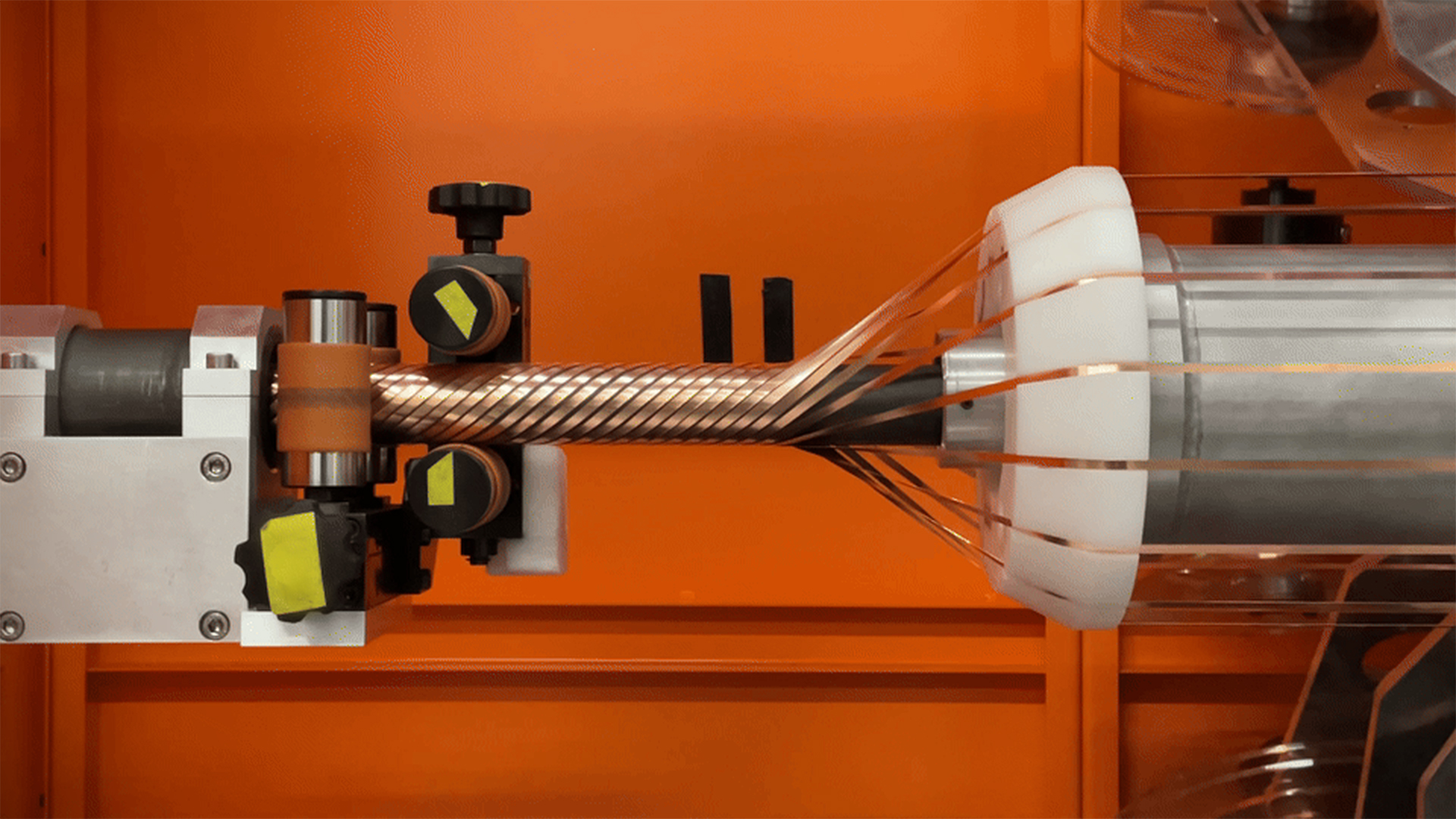
The rise in demand for AI and data-intensive computing has underscored the necessity of efficient and reliable power delivery, with high-temperature superconductors (HTS) emerging as a transformative technology. Microsoft is investigating this technology to enhance datacenter power efficiency and sustainability. HTS enables zero-resistance electricity transmission, allowing for more efficient, powerful, and compact systems. HTS technology has already demonstrated potential in drastically reducing power cable sizes, enhancing the density and performance of datacenter workloads, and offering better scalability for current and future AI needs. These superconductors reduce grid impact and significantly decrease the physical footprint of power delivery infrastructure, contributing to reduced construction disruption and lower pressure on nearby communities.
Microsoft, in collaboration with HTS technology partners, aims to leverage superconducting innovations to revolutionize next-generation datacenter design and electrical grid capabilities, marking a foundational shift towards power and compute density. Through its exploration of superconductors, Microsoft seeks to deliver power more efficiently and reduce overall environmental impact while supporting the growing global demand for cloud services with advanced and sustainable power infrastructure.
Key Points:
– High-temperature superconductors (HTS) can dramatically improve the efficiency of power delivery by reducing transmission losses.
– Superconductors enable zero-resistance transmission, allowing datacenters to meet high electrical demands without the need for expanded physical infrastructure.
– HTS technology can significantly reduce the electrical and social footprint, facilitating more compact systems with minimal impact on nearby communities.
– Superconductors offer the potential for far greater scalability, facilitating the evolution of power infrastructure to keep pace with cloud computing growth.
– Implementing HTS technology in datacenter design aligns with broader innovations aimed at creating smarter, cleaner, and more sustainable facilities.