Optical Illusions Can Trick Artificial Intelligence, Just Like They Fool Us
Optical Illusions Can Trick Artificial Intelligence, Just Like They Fool Us
Publish Date: 2026-02-16 16:02:00
Source Domain: www.discovermagazine.com
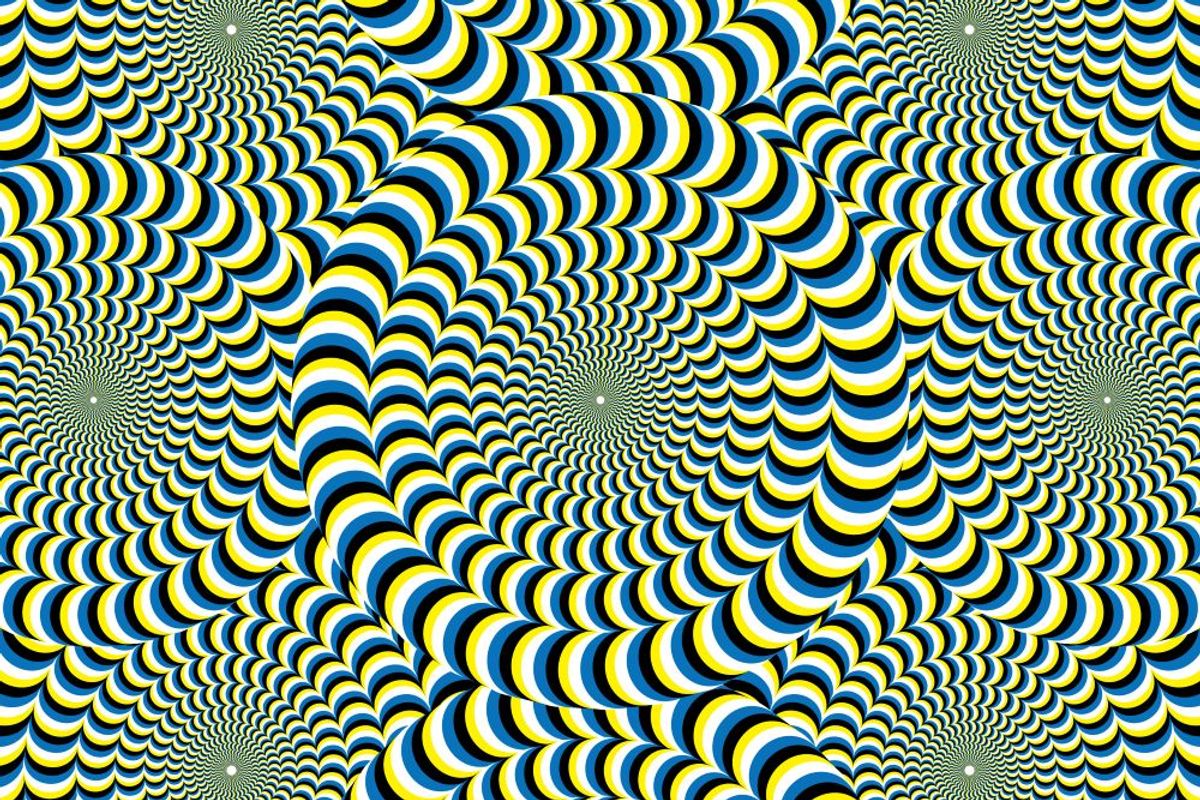
- Eiji Watanabe’s AI Discovery: Neurophysiologist Eiji Watanabe found that AI, specifically a deep neural network named PredNet, can be tricked by visual illusions that also fool humans.
- AI’s Predictive Processing: Like human brains, PredNet processes visual data by making predictions based on prior inputs, which may explain why it can misinterpret visual illusions similarly to humans.
- Insights into Human Perception: Watanabe’s results support the predictive coding theory of perception, helping scientists to better understand human visual processing and illusions.
- Age-Related Perception Differences: The rotating snakes illusion works better for younger people, prompting further research on how visual processing changes with age.
- AI-Generated Illusions: AI is not only used to study existing visual illusions but also to create an extensive new database of illusions, potentially leading to novel perceptual discoveries.
- Broader Implications for Brain Study: The similarities in how AI and humans process visual data could advance the general understanding of brain functioning.
Article Source: Discovermagazine.com emphasizes peer-reviewed studies and high-quality sources for accuracy.