A scoping review of silent trials for medical artificial intelligence
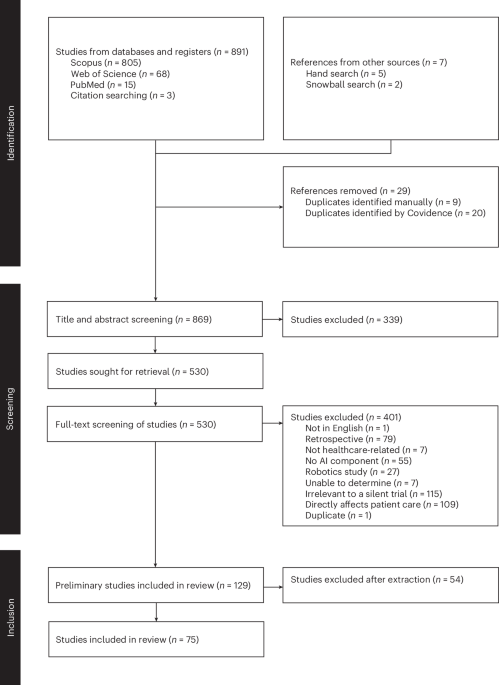
A scoping review of silent trials for medical artificial intelligence
https://www.nature.com/articles/s44360-025-00048-z
Publish Date: 2026-02-16 05:07:00
Source Domain: www.nature.com
- Machine learning and its application in healthcare have led to a surge in research, but concerns about inflated expectations and implementation gaps in real-world settings have emerged.
- Ethical integration of healthcare AI, along with the development of frameworks addressing both ethical and technical aspects in clinical translation, is crucial.
- Challenges include the assessment of deployment costs, generalization of AI models to diverse populations, and ensuring the clinical efficacy and safety in real-world settings.
- Successful deployment of AI models requires validation and regulatory compliance, transparency in model operations, and consideration of bias and fairness issues.
- There is a need for structured reporting guidelines and frameworks to ease the transition from AI model development to clinical practice.
- The integration of AI tools in healthcare must involve comprehensive evaluation methodologies, human factors, and consider sociotechnical systems to enhance usability and trust.
- Effective translation of machine learning products into clinical use involves interdisciplinary collaboration, stakeholder engagement, and iterative development based on clinical feedback.