Artificial Intelligence and the Passivity Problem
Artificial Intelligence and the Passivity Problem
Publish Date: 2026-02-12 13:15:00
Source Domain: www.psychologytoday.com
- Artificial Intelligence (AI) has significantly reduced the effort required to obtain complete, structured answers, changing the way we engage with knowledge and ideas.
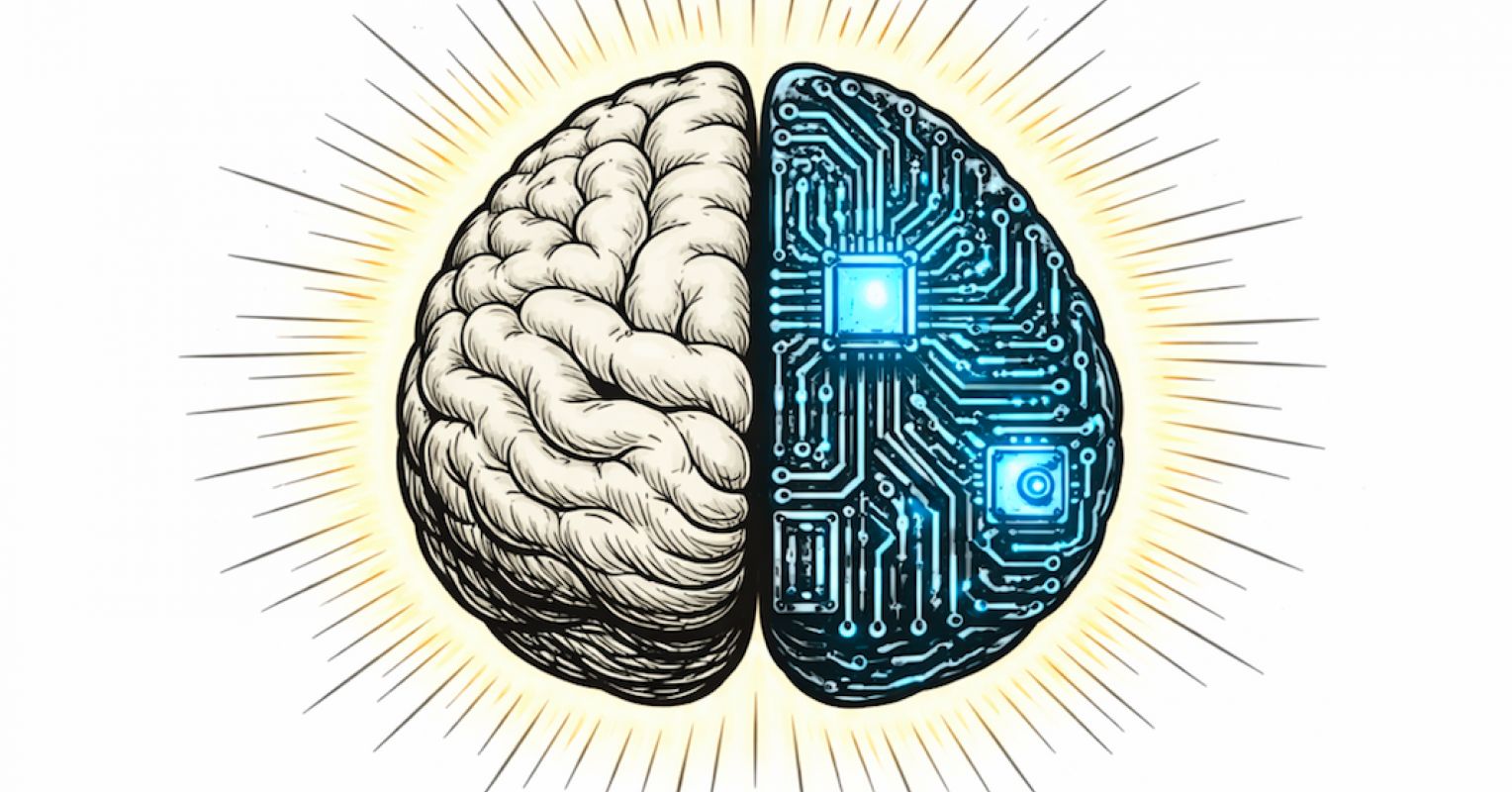
- AI shifts the cognitive role from active originator to passive evaluator. This subtle shift can alter our deep-seated cognitive habits and might weaken the internal drive to generate clarity.
- The convenience of AI’s immediate answers might seem like disengagement, but actually represents a passive stance that leans on externally provided completions rather than developing internal cognitive maps.
- Large Language Models (LLMs) influence thought before it has fully formed, influencing the very formation of our ideas and possibly shaping us into passive users.
- The fundamental nature of thinking, as described by Kant, emphasizes active, participatory construction of knowledge. AI reduces the occasions where we must actively engage, thus potentially affecting our ability to build our internal cognitive architecture.
- The greater risk posed by AI lies not in its capabilities but in its effect on our passive acceptance of external input, which may result in a resignation to cognitive ease and a diminished need for active thought.