Future-proofing military servers for AI advancements
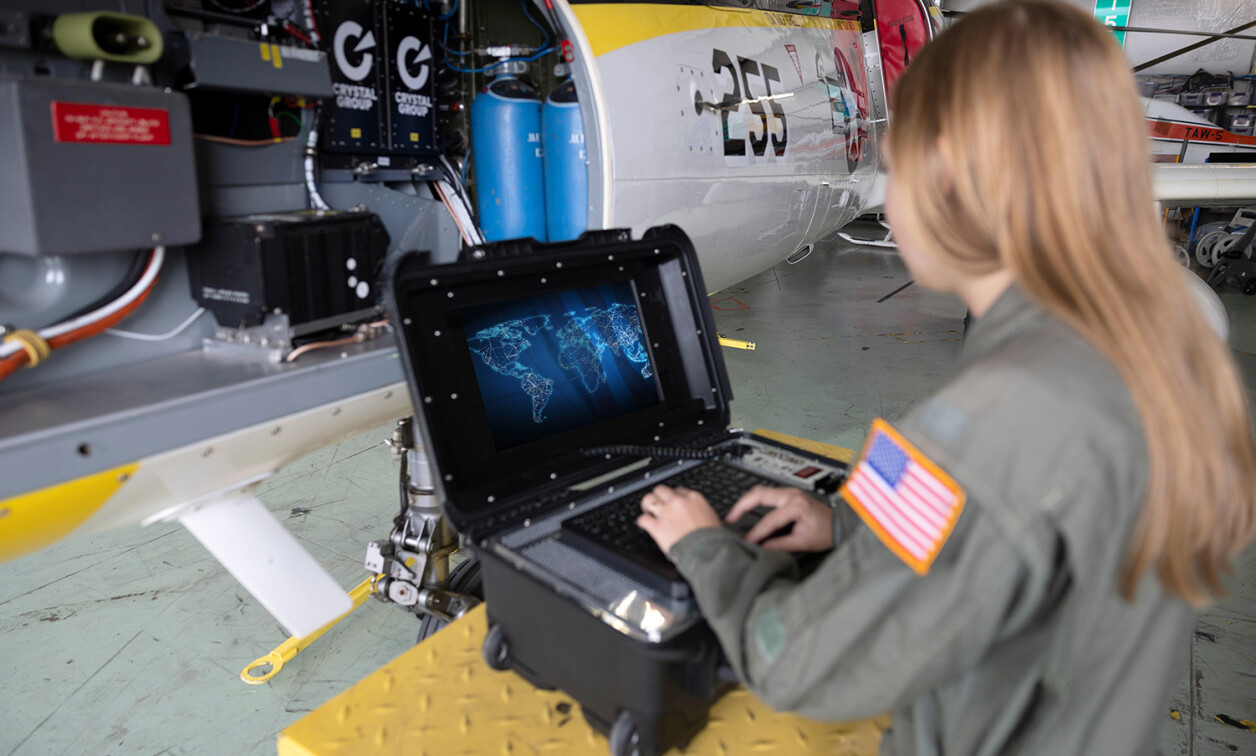
Future-proofing military servers for AI advancements
Publish Date: 2026-02-06 13:35:00
Source Domain: militaryembedded.com
Key Points of the Article on Future-Proofing Defense Organizations for AI Innovation:
-
Balancing AI Innovation with Longevity: Defense organizations must develop AI-equipped military servers that offer long-term durability (decades) without falling behind due to AI’s rapid pace of innovation (measured in years).
-
Designing Modular, Scalable Architectures: To prevent premature obsolescence, defense servers need to incorporate modular designs and scalable architectures, allowing for easy upgrades in hardware without redesigning the ruggedized chassis.
-
Thermal and Power Management Challenges: Next-generation CPUs and GPUs will consume significantly more power (over 600 watts), presenting significant thermal management challenges within strict military-standard operational limits.
-
Vendor Partnerships and Roadmap Alignment: Future-proofing highly depends on close partnerships with major AI technology vendors (Intel, AMD, etc.) to align with their technology roadmaps and ensure long-term support and adaptation of new technologies.
-
Scalable Cooling Solutions: Defense organizations must implement scalable cooling solutions to manage the increasing thermal load of powerful AI processors and maintain compliance with stringent thermal criteria within military standards.
-
Acoustic Constraints: Balancing the demands of high power, heat dissipation, and silent operation remains an engineering challenge, necessitating compromises in design, such as using modular power boards or adjusting GPU clock speeds.
-
Future-Proofing through Design Consistency: Through consistent form factors, like PCIe compliance, and adaptable thermal ducts, systems can evolve over decades, adapting new technology generations without overhauling the chassis structure.
-
Ongoing Process of Integration and Adaptation: Future-proofing in the context of AI and defense is an ongoing process requiring advanced cooling for next-gen hardware, edge computing solutions, and continuous close collaboration with technology vendor roadmaps.