Beyond Firewalls: Germany’s Evolving Cybersecurity Landscape
Beyond Firewalls: Germany’s Evolving Cybersecurity Landscape
Publish Date: 2026-06-24 03:24:00
Source Domain: www.gtai.de
Using an unordered list, summarize the following article with between 4 and 8 key points.
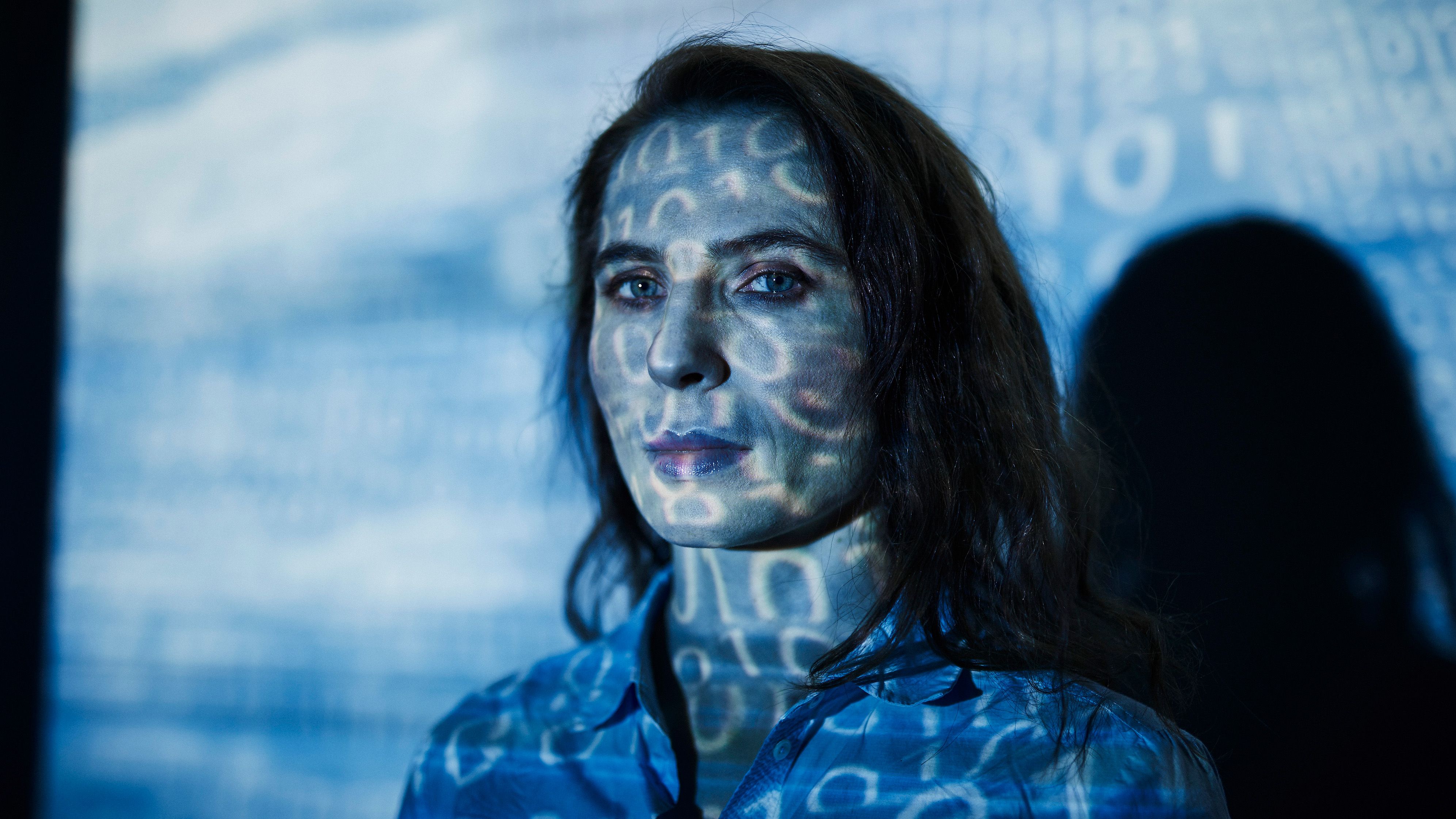
Prof. Dr. Haya Shulman, head of Cybersecurity Analytics and Defences, Fraunhofer SIT Darmstadt
|
© Jonas Ratermann/laif
Digital Economy
Surging cyberattacks, sweeping European Union regulation, and accelerating digital transformation are driving demand for cybersecurity solutions in Germany. This dynamically growing market is an open invitation for industrial partners and research collaborators looking to make long-term investments.
Jun 24, 2026
Read this article to find out:Why Germany’s cybersecurity market is growing rapidlyWhich international companies have already established a presence in GermanyWhere the best opportunities for partnerships, investment, and market entry lie The pressure on companies and public institutions in Germany to take cybersecurity seriously is intense. State-sponsored attacks are on the rise and artificial intelligence (AI) is introducing new vectors of vulnerability. Last year, 73 per cent of German companies fell victim to cyberattacks, with total damages reaching nearly EUR 267 billion. The majority of critical infrastructure operators say they anticipate further incidents. Meanwhile, government agencies and businesses alike are digitizing core processes – another factor driving the need for protective measures.
A Growing ThreatNumber of Weekly Cyberattacks on German Companiesyearnumber20241,05020251,286Quelle: Check Point Software Technologies
Regulatory tailwinds are reinforcing the trend. With the implementation of the EU NIS2 Directive, some 29,500 companies in Germany are now required to introduce risk management systems and meet minimum technical standards.
NIS2: Cybersecurity Becomes Everyone’s BusinessThe European Union’s NIS2 Directive expands cybersecurity obligations to a wide range of additional sectors, including manufacturing, food production, chemicals, waste management, postal and courier services, as well as research institutions. Small- and medium‑sized enterprises will also be required to meet stricter security standards, including mandatory risk management, encryption, access controls, emergency and recovery planning, regular audits, and enhanced incident‑reporting requirements. All this elevates cybersecurity to a top priority across all critical business functions.
“Many small and medium-sized enterprises must now fundamentally overhaul their security architecture and are increasingly seeking innovative technology partners,” says Isabel da Silva Matos, cybersecurity expert at Germany Trade & Invest (GTAI).The local market, she maintains, is well-equipped to meet that demand: accelerators, innovation hubs, and European funding programs have created fertile ground for testing new products, forging partnerships, and gaining a foothold in one of Europe’s most important economies. “These are ideal conditions for bringing innovative solutions to market,” da Silva Matos emphasizes.
Germany unpackedThe German Mittelstand typically refers to companies with up to 500 employees that are often family‑owned and -managed with a long‑term perspective. Many are internationally recognized for their specialization in highly precise products and niche markets. Compared to other countries, they stand out for their strong innovative capacity, deep regional roots, and high export orientation.
International presence growsThe dynamism of Germany’s cybersecurity market is reflected in the growing number of international companies choosing to put down roots there. Finnish firm Hoxhunt has operated a branch in Bergisch Gladbach, North Rhine-Westphalia, since 2022, offering German organizations AI-powered solutions for human risk management and phishing simulations.U.S. company OPSWAT has made Hamburg its base of operations, where a team of 15 develops solutions for securing industrial control systems and critical infrastructure. Its clients span the federal government, financial services, defense, energy, manufacturing, pharmaceutical, and healthcare sectors. “We see exponential growth potential in Germany and the entire DACH region,” says Holger Fischer, Sales Director Central Europe at OPSWAT. To ensure its solutions meet local requirements precisely, the company works closely with Germany’s Federal Office for Information Security (BSI) and other relevant authorities.
FDI Insight: Cybersecurity Growth OpportunitiesIsabel da Silva Matos, Germany Trade & Invest (GTAI)Demand for cybersecurity solutions in Germany will increase significantly across nearly all sectors in the coming years. As digitalization advances, new attack surfaces emerge: interconnected systems, new technologies, and complex supply chains all create additional entry points for threats. Regulatory pressure will rise in response – following NIS2, further European requirements will introduce binding higher security standards. Demand will be particularly strong for industrial IT security, AI-driven threat detection, cloud and identity protection, and secure architectures for public administration and critical infrastructure. These growing regulatory and technological developments create strong market opportunities for international providers offering cutting edge cybersecurity solutions.
Research enables international collaborationA key part of Germany’s appeal is the depth of its scientific infrastructure. The CISPA Helmholtz Center for Information Security is a globally recognized innovation driver, bringing together researchers, talent, and industry partners to translate scientific findings into scalable technologies. CISPA coordinates ELSA – the European Lighthouse on Secure and Safe AI – a network of excellence in which 26 research institutions and companies collaborate on the development of secure AI systems. That ecosystem is already producing results: the start-up QuantPi, for instance, is developing solutions for the safe deployment of generative AI.Other leading institutions contribute to a closely networked research environment that gives international companies ready access to collaborations and pilot projects. These include the Fraunhofer Institute for Secure Information Technology in Darmstadt, the Fraunhofer Institute for Applied and Integrated Security in Munich, the CyberForum in Karlsruhe – Germany’s largest regional high-tech network – and the universities of Bochum, Karlsruhe, and Munich.A market full of potentialWith a market volume of EUR 31 billion in 2023, Germany is home to the largest security market within the European Union. This scale, combined with a strong willingness across industry, government, and academia to adopt and co‑develop new technologies, creates substantial opportunities for international companies seeking partnerships and innovation-driven growth.“We are seeing that European and German regulatory frameworks increasingly act as drivers of innovation, because they create trust and set global standards.”Jürgen Philippi, Head of Startups & Entrepreneurship, CISPAGTAI supports international companies with market analyses, regulatory guidance, contacts to clusters and research institutions, and tailored consulting on investment and market entry decisions. Want to benefit from Germany’s fast‑growing cybersecurity market?Isabel da Silva MatosGTAI’s cybersecurity [email protected]