AI in Geospatial Market expected to be worth around USD 1,165.3 Million by 2033
AI in Geospatial Market expected to be worth around USD 1,165.3 Million by 2033
Publish Date: 2026-03-09 01:07:00
Source Domain: vocal.media
-
Market Growth and Forecast: The global AI in geospatial market is projected to grow significantly, reaching USD 1,165.3 million by 2033, up from USD 78.3 million in 2023, with a Compound Annual Growth Rate (CAGR) of 31.0% from 2024 to 2033.
-
Key Drivers: The increasing use of artificial intelligence in mapping, remote sensing, satellite imaging, and spatial analytics is a primary driver of market growth. Additionally, government and enterprise adoption of geospatial intelligence for infrastructure planning, climate monitoring, agriculture, and defense enhances market demand.
-
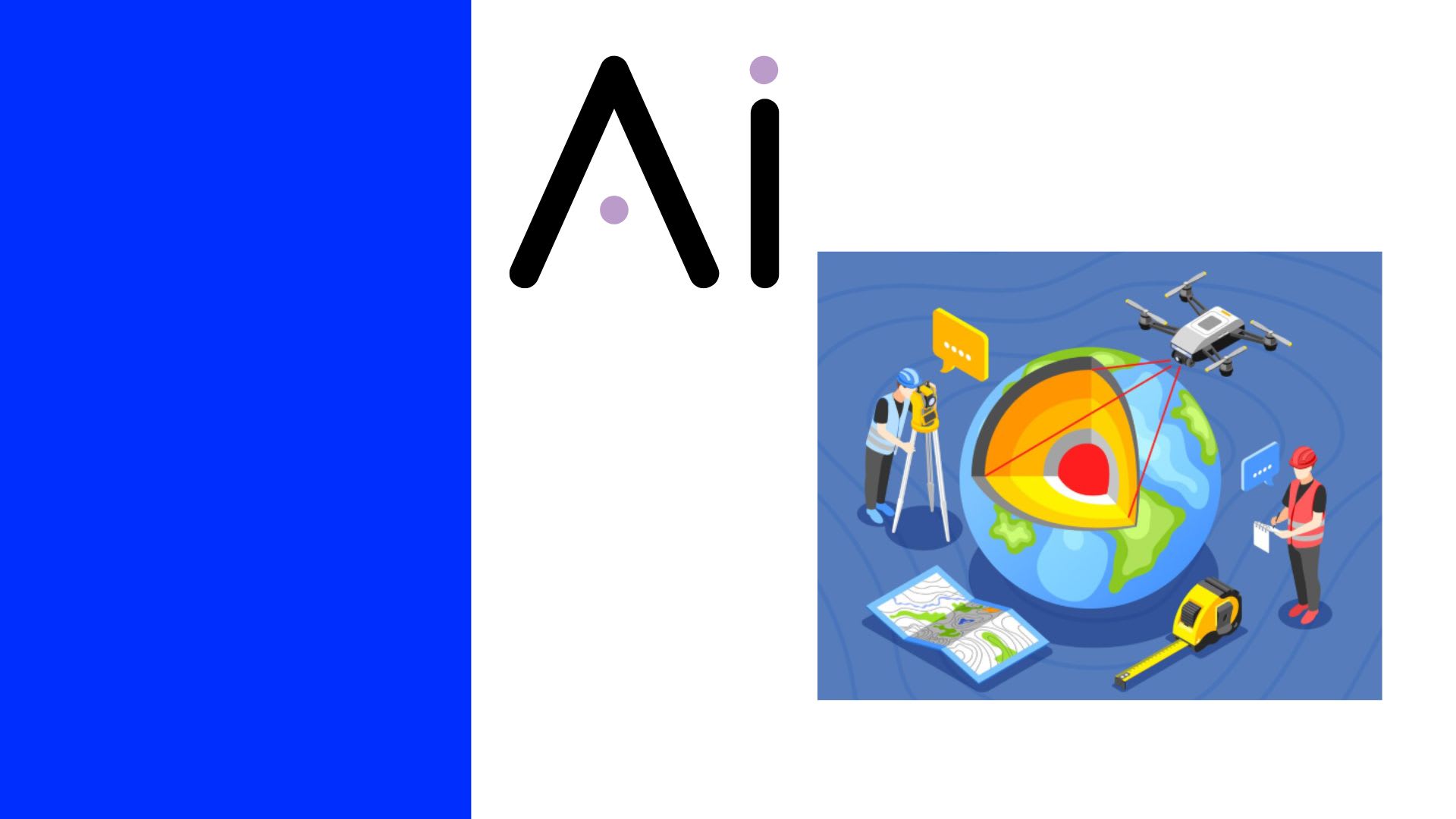
Integration of AI Technologies: The integration of machine learning with satellite and drone imagery significantly improves the accuracy of spatial data analysis, making geographic information more efficient and manageable.
-
Emerging Trends: Trends include the use of satellite constellations combined with AI analytics to quickly interpret geographical data, and the application of AI-powered drone mapping technologies for real-time data capture in construction and disaster response.
-
Applications and Use Cases: AI in geospatial is widely applied in urban planning, smart city development, environmental monitoring, agriculture, and other sectors, enhancing decision-making and resource management.
-
Operational Challenges: The market faces challenges such as data complexity, integration hurdles in combining AI with existing geographic systems, data privacy concerns, and high costs of satellite imagery and spatial data acquisition.
-
Future Opportunities: Opportunities lie in the adoption of autonomous technologies for transportation, advanced navigation systems, and disaster management through AI-driven geospatial solutions.
-
Skill and Cost Constraints: Key challenges include the shortage of skilled professionals with interdisciplinary expertise in AI and geospatial science, and the financial barriers to accessing high-resolution satellite images and mapping technologies.