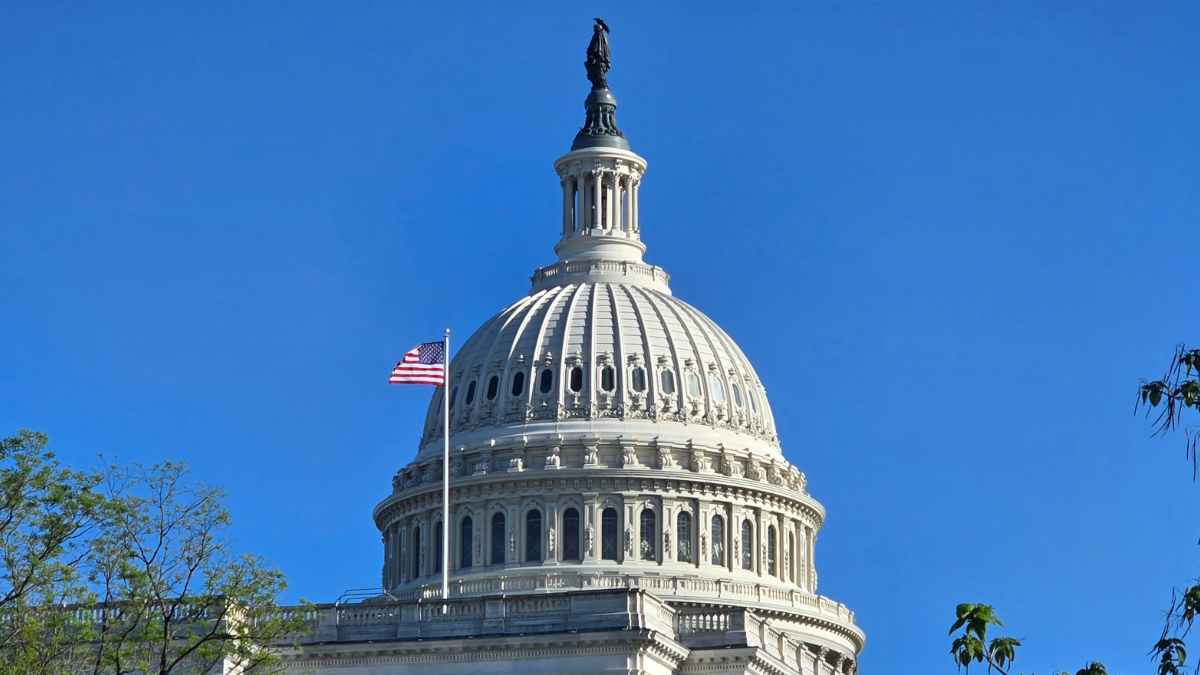
Satellite imaging is now vital for disaster management. But there are dangerous gaps in our systems
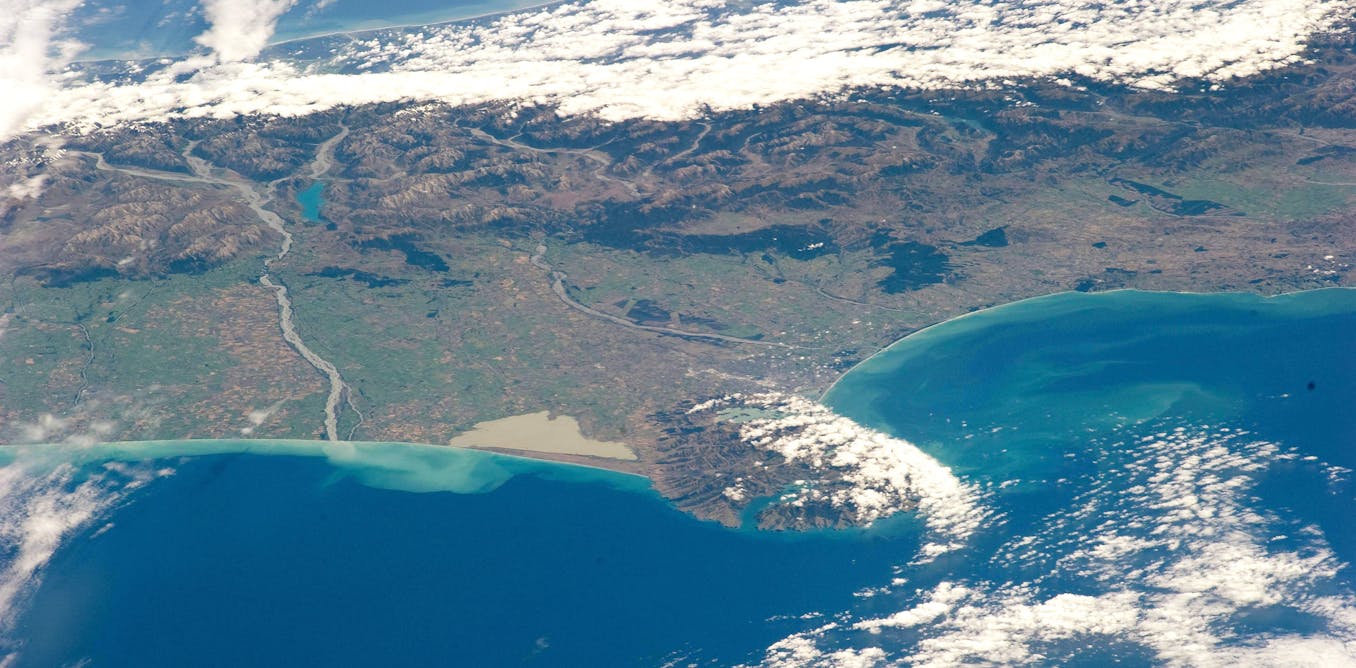
Satellite imaging is now vital for disaster management. But there are dangerous gaps in our systems
Publish Date: 2026-02-22 14:10:00
Source Domain: theconversation.com
-
Remote sensing’s crucial role: The extreme weather events in New Zealand highlight the indispensable role of remote sensing satellite technology in gathering real-time information about Earth conditions, despite disruptions to traditional monitoring methods.
-
Enhanced emergency response: Satellite sensing technologies facilitate rapid determination of affected areas and risk, enabling faster and more coordinated emergency responses.
-
Long-term benefits: Beyond immediate crises, satellite data aids in damage assessments, reconstruction planning, and helps refine hazard models for future events.
-
Fragmented data access framework: Despite technological progress, the voluntary nature of international cooperative agreements and the lack of binding rules create vulnerabilities in accessing satellite data during disasters.
-
Need for global agreements and AI governance: Stronger global agreements and responsible AI governance are crucial to ensure reliable, timely access to data for disaster management, as well as robust cybersecurity measures for data integrity.
-
Reliable data infrastructure: To enhance national resilience, New Zealand needs to prioritize the satellite-to-ground data chain as critical infrastructure, ensuring redundancy, security, and rapid incident reporting.
-
Reinforcing national preparedness: Clear international data-sharing rules, privacy, transparency, and human oversight are essential for the effective use of remote sensing data in emergency situations.