Amazon’s Ring wanted to track your pets. It revealed the future of surveillance
Amazon’s Ring wanted to track your pets. It revealed the future of surveillance
Publish Date: 2026-02-16 13:24:00
Source Domain: theconversation.com
-
The article discusses the shift from state-exclusive intelligence operations to a more commercialised intelligence marketplace involving private companies.
-
Historically, intelligence collection and analysis were the sole domains of state agencies with strict control and classification rules safeguarding sources and methods.
-
The monopoly on intelligence has eroded due to the rise of open-source intelligence and the influx of innovative private companies offering commercial intelligence services.
-
The emergence of a surveillance economy driven by private companies, such as Clearview AI and Flock Safety, poses significant privacy and governance issues.
-
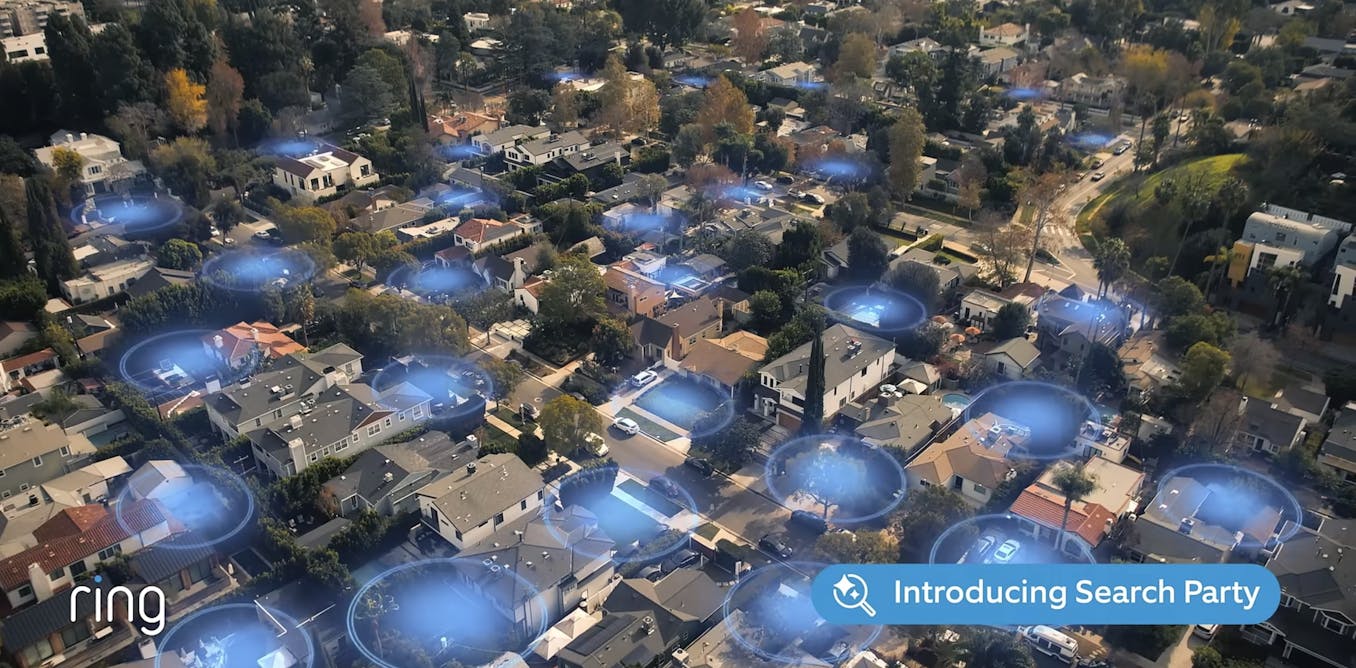
Amazon Ring’s controversial attempt to use neighbourhood camera footage for community safety, which eventually faced public backlash, highlights the evolving norms of commercial surveillance.
-
The commercialization of intelligence has led to “intelligence as a service” where government entities can buy services like facial recognition and behavioural analytics without the traditional legal and privacy constraints.
-
The integration of commercial surveillance with AI raises concerns about the erosion of national sovereignty, democratic oversight, and personal privacy when intelligence collecting and analysis capabilities rest with private actors.
-
The future scenario proposed involves a continuous surveillance ecosystem operated by algorithms which poses significant ethical questions.