When Burnout Becomes a Cybersecurity Control Failure
When Burnout Becomes a Cybersecurity Control Failure
https://www.govinfosecurity.com/when-burnout-becomes-cybersecurity-control-failure-a-31929
Publish Date: 2026-06-09 13:31:00
Source Domain: www.govinfosecurity.com
Using an unordered list, summarize the following article with between 4 and 8 key points.
Advanced SOC Operations / CSOC
,
Events
,
Infosecurity Europe Conference
Peter Coroneos of Cybermindz on Stress, the Brain and Human Capability Risk
Mathew J. Schwartz (euroinfosec) •
June 9, 2026
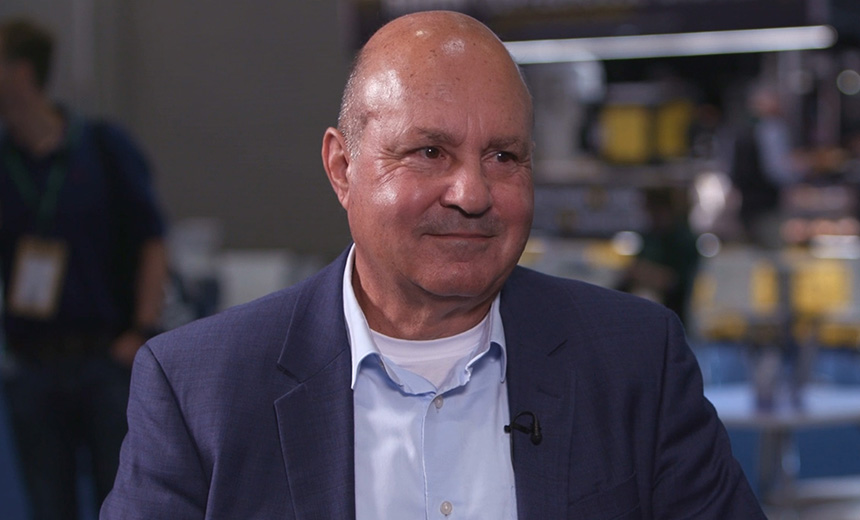
Peter Coroneos, founder and chairman, Cybermindz
Cybersecurity burnout is no longer just a wellness concern. It’s an operational risk that quietly degrades the capability of cyber defenders, said Peter Coroneos, founder and chairman of Cybermindz.See Also: Why AI Agents Need Identity Governance Like Employees
Research conducted across multiple jurisdictions shows that burnout levels among cybersecurity professionals now exceed those recorded among frontline healthcare workers – driven not by stress alone but by a chronic absence of recovery, Coroneos said. The human nervous system was never engineered for a 24/7 threat environment, he said, and without structured de-escalation, the brain’s ancient stress-response apparatus simply never stands down.
“You can work in a stressful situation, but as long as you’ve got recovery protocols and systems and support frameworks in place, we can keep rolling in these challenging roles indefinitely,” he said.
In this video interview with ISMG at Infosecurity Europe 2026, Coroneos also discussed:
Why a CISO’s anticipatory stress and a SOC analyst’s alert fatigue require distinct interventions;
How neuroplasticity enables measurable structural changes in resilience centers of the brain over months of sustained practice;
How Cybermindz built a board-level human risk framework that maps burnout indicators directly to operational and security outcomes.
Coroneos is a distinguished leader in the cyber and technology sectors. Previously as CEO of Australia’s Internet Industry Association from 1997 to 2011, he pioneered “icode,” an anti-botnet scheme, inspiring a similar U.S. initiative that reached 276 million users by 2012.