Cybersecurity For Connected Water Systems In MENA
Cybersecurity For Connected Water Systems In MENA
https://water.fanack.com/cybersecurity-connected-water-systems-mena/
Publish Date: 2026-07-01 04:00:00
Source Domain: water.fanack.com
Using an unordered list, summarize the following article with between 4 and 8 key points.
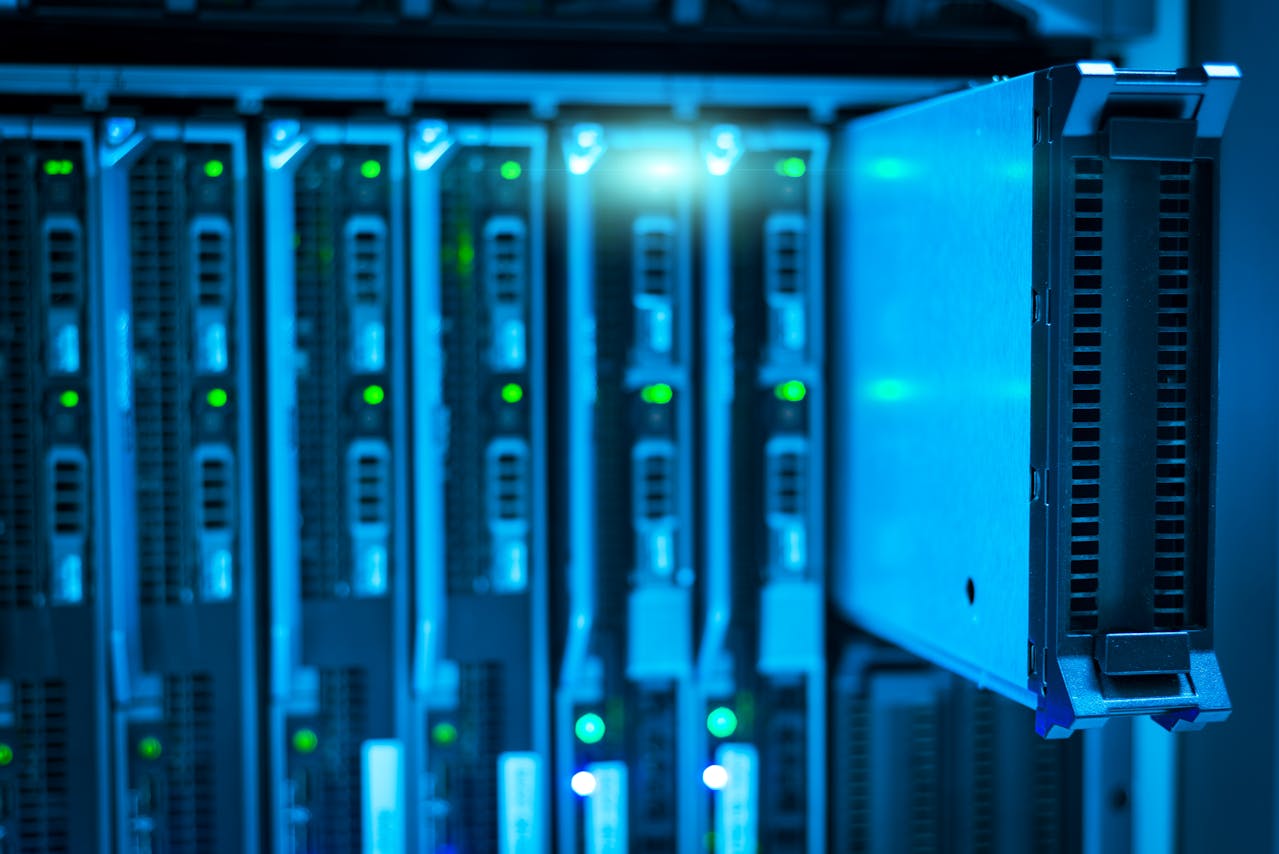
Close-up of Computer Hardware (Photo by Panumas Nikhomkhai via Pexels)
Author: Fanack Water Editorial Team
Digitalization is transforming how water utilities in the Middle East and North Africa plan, treat, and deliver water, but it is also widening the cyber-attack surface of already fragile systems. As utilities deploy Supervisory Control and Data Acquisition (SCADA) systems, Internet of Things (IoT) devices, and digital twins, cybersecurity becomes a core part of water security, not an optional add‑on.
Why Connected Water Systems Are Growing
MENA utilities are investing in advanced desalination, large‑scale transmission projects, and smart distribution networks to cope with chronic water scarcity and rapid urbanization. Digital tools help operators monitor pressure, flows, and water quality in real time and optimize energy use in power‑hungry desalination and pumping facilities.
SCADA and other operational technology (OT) platforms now control valves, pumps, and chemical dosing, replacing manual operations across treatment plants and distribution networks. At the same time, utilities are adding IoT sensors and customer‑facing digital services, creating dense webs of connectivity between physical assets, corporate IT systems, and cloud platforms.
Digital twins take this one step further by mirroring entire water systems in software, enabling scenario analysis, leak detection, and predictive maintenance. These virtual models can improve resilience and efficiency, but they also depend on continuous data flows and remote access, which can be exploited if not properly secured.
New Cyber Risks In A Digital Utility
Once‑isolated control systems are now exposed to external networks, making them attractive targets for both criminal groups and state‑aligned actors. Case studies from water utilities worldwide show that attackers can attempt to manipulate chemical dosing, alter set points, or shut down pumps, with direct consequences for public health and service continuity.
Common weaknesses include legacy SCADA protocols with no authentication or encryption, flat networks with little separation between IT and OT, and remote access services protected only by weak passwords. Many utilities rely on small IT teams and have limited dedicated cybersecurity staff, which slows patching and incident response and leaves known vulnerabilities exposed for long periods.
Digital twins and AI‑driven forecasting models introduce additional attack vectors. If an attacker corrupts sensor data or model parameters, the twin can suggest unsafe operating decisions, such as incorrect valve operations or misleading leak patterns, while conventional network‑centric intrusion detection may not notice anything unusual.
SCADA, IoT, And Digital Twins As Attack Surfaces
SCADA and OT networks often include programmable logic controllers and human–machine interfaces that were designed for reliability, not security. When these devices are connected to corporate networks or the internet for convenience, attackers can scan for exposed interfaces, exploit outdated software, and move laterally to critical assets.
IoT devices such as remote terminal units, smart meters, and wireless level sensors multiply the number of endpoints that must be secured. Cheap, low‑power devices may lack basic hardening, making them easy entry points for botnets, denial‑of‑service attacks, or data manipulation that propagates back into core control systems.
Digital twins depend on high‑quality data and close coupling to real operations, so any compromise in the data pipeline can translate into wrong decisions in the field. Research shows that twin‑based intrusion detection can be powerful, but only when security is considered from the start and when models are protected against adversarial data and unauthorized access.
How Utilities Can Future‑Proof Their Cyber Defences
For water utilities, the first step is to treat cybersecurity as an essential part of operational risk management, backed by senior leadership and stable budgets. Comprehensive asset inventories, including all OT and IoT devices, are crucial to understanding where vulnerabilities lie and which systems are truly critical.
Technical measures should focus on robust network segmentation between IT and OT, strict control over remote access, and continuous monitoring of traffic and process data. Adopting industrial security standards such as IEC 62443 and aligning with national cybersecurity authorities helps create a consistent framework for controls, audits, and incident reporting.
Utilities also need clear incident response plans that define roles, communication channels, and recovery procedures before a crisis hits. Regular staff training and phishing simulations can reduce human‑factor risks, while periodic SCADA/OT security assessments test defences against evolving threats.
When deploying digital twins and other advanced analytics, security‑by‑design should guide architecture choices. That means hardening data interfaces, limiting access to model controls, logging all changes, and using twin‑based anomaly detection to cross‑check physical and digital behaviour rather than relying on a single line of defence.
The Role Of Regulators And Regional Cooperation
Regulators in MENA can accelerate progress by setting minimum cybersecurity requirements for critical water infrastructure and by harmonizing standards across borders where basins and supply chains are shared. Risk‑based regulation that accounts for plant size, function, and degree of connectivity can help prioritize scarce resources where a cyber incident would cause the greatest harm.
Regional cooperation mechanisms, such as shared threat‑intelligence platforms and joint exercises, can strengthen preparedness against cross‑border cyber campaigns that target multiple utilities at once. As water stress intensifies and digitalization deepens, protecting connected water systems from cyber threats will be central to maintaining both human security and political stability across the region.