Congress tees up No FAKES Act, aiming at AI-generated deepfakes
Congress tees up No FAKES Act, aiming at AI-generated deepfakes
https://cyberscoop.com/congress-tees-up-no-fakes-act-aiming-at-ai-generated-deepfakes/
Publish Date: 2026-06-18 16:20:09
Source Domain: cyberscoop.com
Senate Judiciary Committee Approves Bill Against Unauthorized Deepfakes
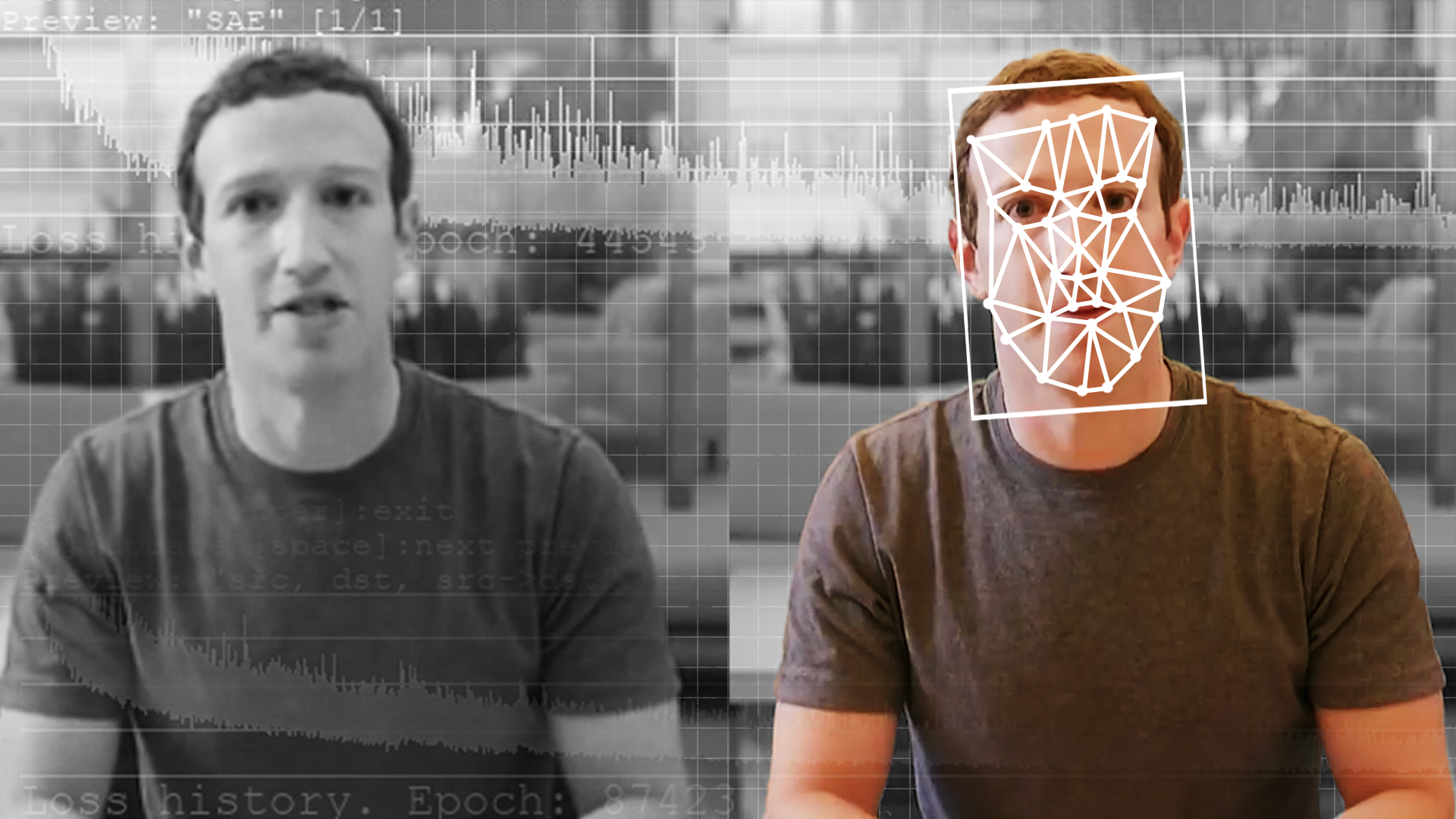
This week, the Senate Judiciary Committee passed the NO FAKES Act, a bill aimed at stopping the unauthorized use of deepfakes created using the digital likenesses of American artists, performers, and public figures. Co-sponsored by Sens. Chris Coons and Marsha Blackburn, the bill proposes to grant creators nearly exclusive rights to their own AI-generated images for 70 years post-mortem. Individuals would have the right to license their likeness under regulated contracts and the ability to sue violators with penalties up to $750,000. The bill has received support from a wide array of groups, including the Screen Actors Guild and the American Medical Association. Despite this support, many worry the legislation could infringe on free speech and parody, with critics like NetChoice and the ACLU arguing that it might result in platforms overly censoring lawful content. The committee intends to make further adjustments before passing it into law, ensuring it protects free speech while addressing the deepfake issue.
Key Points:
- The NO FAKES Act aims to protect artists’ digital images and likenesses using AI from unauthorized uses, passed with a committee voice vote.
- It grants creators rights over their images for 70 years after death, allowing for licensing contracts and providing legal avenues to address unauthorized use.
- Concerns from tech and civil rights groups highlight fears that the bill could create a legal barrier to parodies, satire, and otherFirst Amendment protected content.
- The bill’s supporters claim it incorporates enough protections to avoid stifling free speech and will require revisions to address these fears fully.