Geopolitics Is Now a Cybersecurity Problem

Geopolitics Is Now a Cybersecurity Problem
https://www.govinfosecurity.com/geopolitics-now-cybersecurity-problem-a-31968
Publish Date: 2026-06-15 14:43:00
Source Domain: www.govinfosecurity.com
Using an unordered list, summarize the following article with between 4 and 8 key points.
3rd Party Risk Management
,
Critical Infrastructure Security
,
Cyberwarfare / Nation-State Attacks
UCL’s Melanie Garson on Anti-Fragility, Supply Chain Risk and AI Adoption
Anna Delaney (annamadeline) •
June 15, 2026
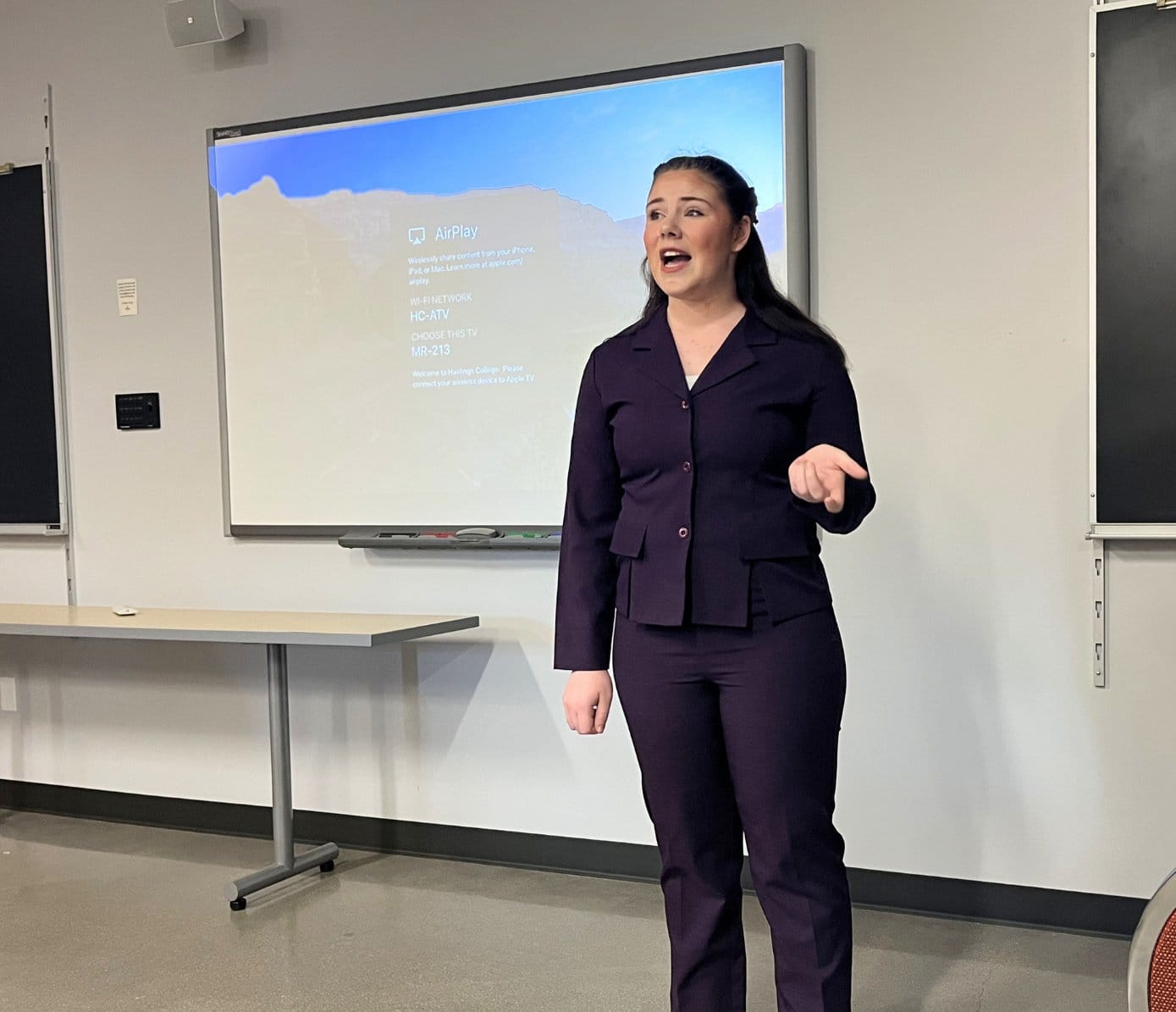
Melanie Garson, associate professor, international security, University College London
Geopolitical exposure has quietly moved to the front of the security agenda, and most organizations are only now realizing how little they understand about where their risks originate, said Melanie Garson, associate professor of international security at University College London.See Also: Know Thy Enemy: Threats to Cyber Resilience
Organizations increasingly face risks tied to supply chains, critical infrastructure and geopolitical affiliations. Companies can become targets because of where they operate, who they work with or how they are perceived within a conflict.
“They [security leaders] should be taking a moment to assess their critical suppliers and map it out,” Garson said. “Are there any geopolitical flags within how they’re operating, or that puts the company that they’re working for on the front line for any reason?”
In this video interview with ISMG at Infosecurity Europe 2026, Garson also discussed:
Why anti-fragility is the more useful frame for navigating persistent uncertainty;
How satellite communications and mobile-dependent technologies are creating new security dependencies;
The need for a deliberate cost-benefit calculation when adopting artificial intelligence.
Garson has been teaching courses on international conflict resolution and international security at University College London since 2010. She has advised global leaders on cyber risks and resilience policy, the geopolitics of the internet, space, AI and compute, and the rise of tech companies as geopolitical actors.