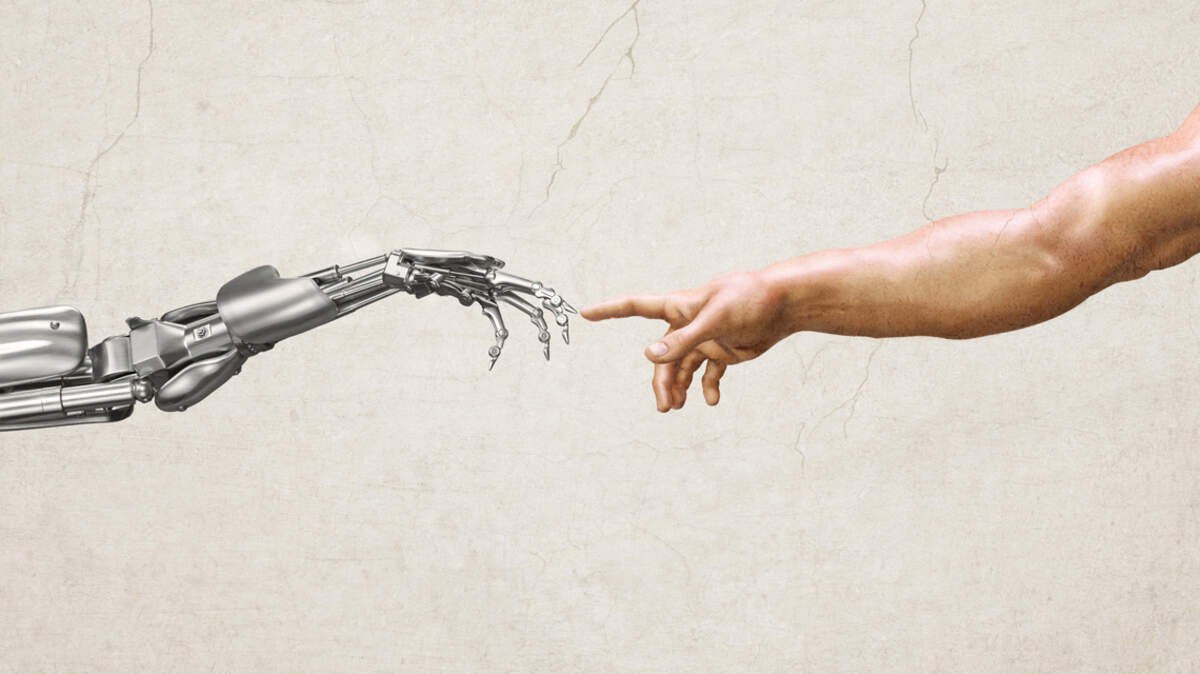
AI-generated images are making it impossible to distinguish truth from fiction. We need laws and AI watermarks to protect our shared reality.
Publish Date: 2026-05-23 10:00:00
Source Domain: www.livescience.com
-
The article discusses the profound impact of generative artificial intelligence (AI) on the credibility of visual media and the potential erosion of trust in real-world photography.
-
It highlights how advanced AI can produce highly realistic and emotionally compelling images that can depict events never occurred, creating a challenge to distinguish real images from fake ones.
-
The article emphasizes the need for a sophisticated social and legal framework to separate real-world images from AI-generated ones, which includes technical innovations like universal “AI watermarks.”
-
There is concern that without proper measures, the trust and credibility that real-world photos historically brought could be lost, which is essential for democracy and public understanding.
-
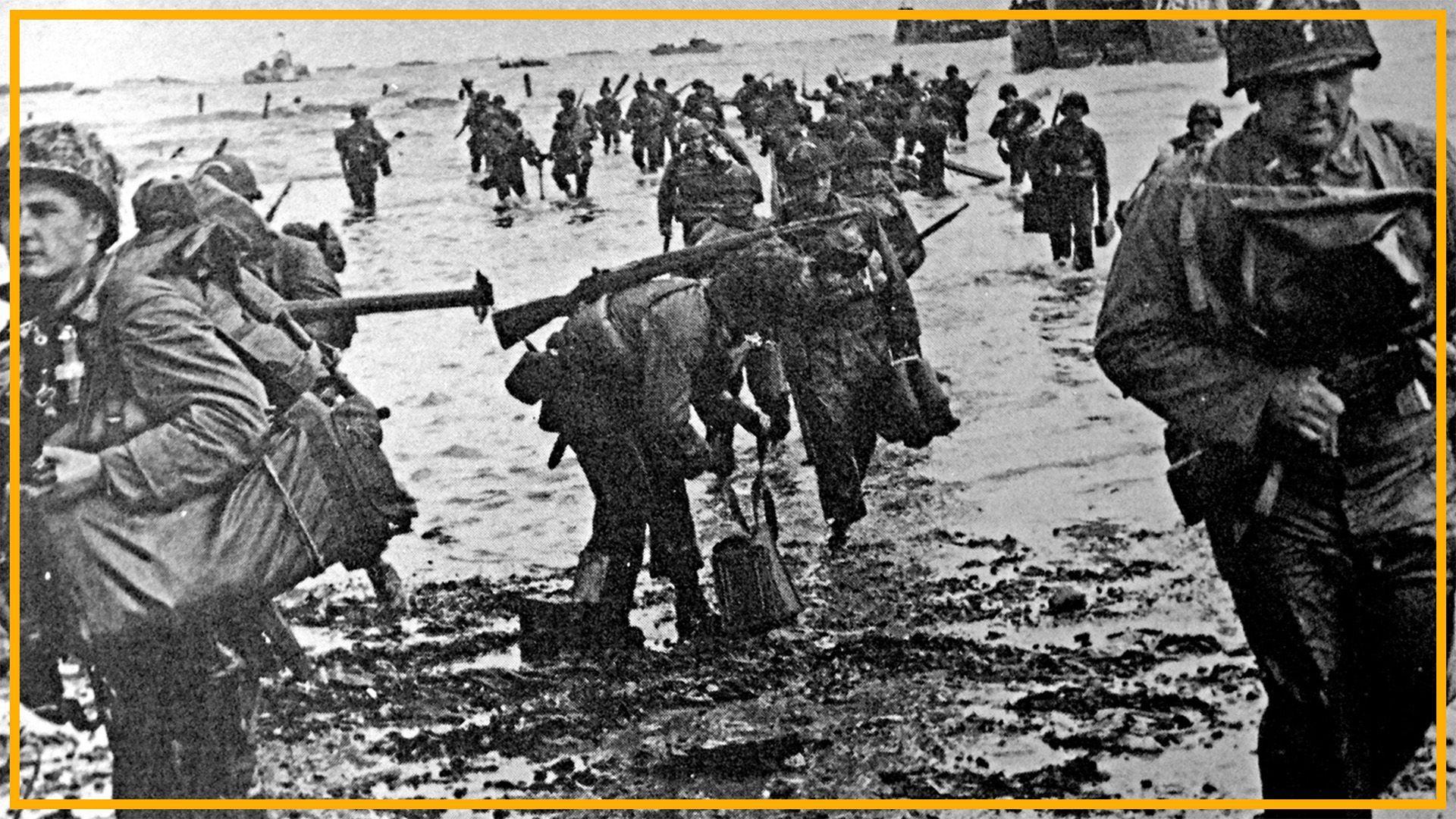
Examples of historical images, such as those from the Normandy landing and Tiananmen Square, underscore the role of real photographs in shaping public perception and political will.
-
The dangers of AI-generated images are highlighted through instances of propaganda, racial tensions, and misinformation both in war and domestic politics.
-
Solutions proposed include mandatory disclosure and traceability for AI-generated images, using advanced cryptographic watermarking, and establishing legal frameworks to support these measures.
-
The article concludes by stressing that preserving the capacity of images to anchor shared understanding is a key democratic imperative.