Artificial Intelligence, Data Sovereignty and the African Union – HORN REVIEW
Artificial Intelligence, Data Sovereignty and the African Union – HORN REVIEW
https://hornreview.org/2026/05/22/artificial-intelligence-data-sovereignty-and-the-african-union/
Publish Date: 2026-05-22 10:05:00
Source Domain: hornreview.org
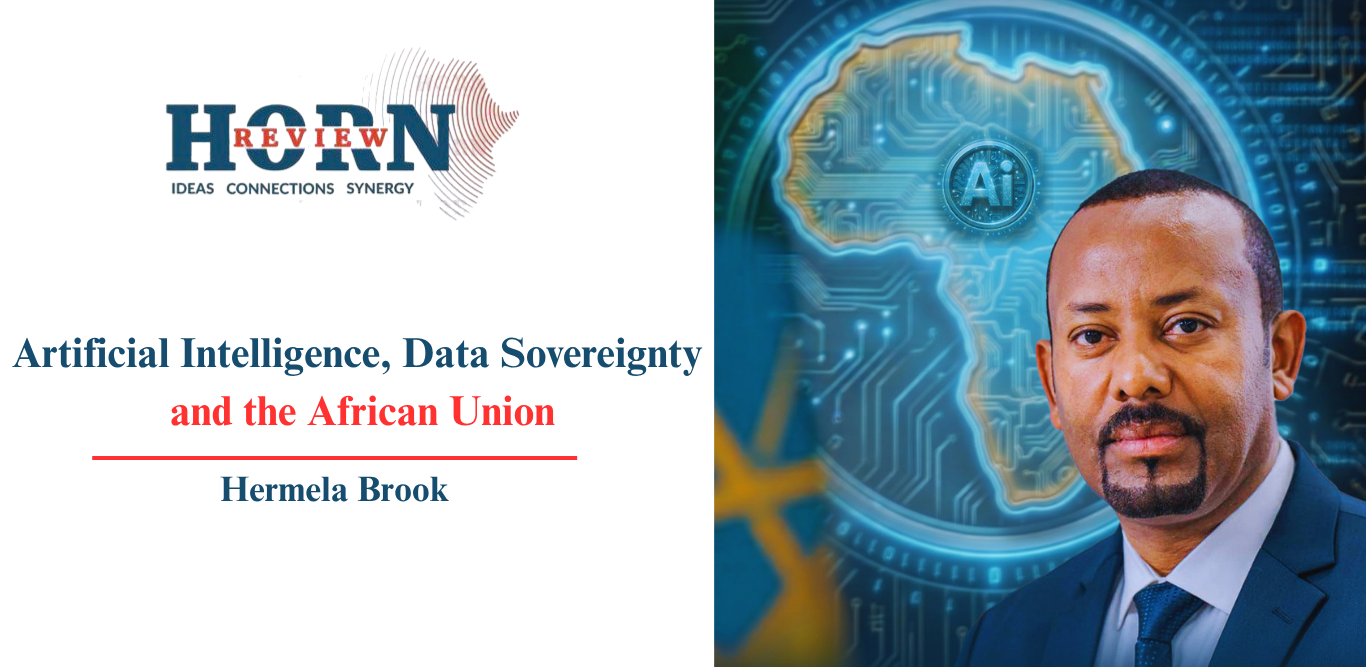
- The African Union’s appointment of Ethiopian Prime Minister Abiy Ahmed as its Champion for Artificial Intelligence and Digital Health signifies an acknowledgment of leadership in AI.
- The challenge lies in whether the institutional architecture within the AU will enable the translation of this leadership into enforceable AI policies.
- The appointment highlights the need for African AI sovereignty, stressing that a continent dependent on external AI systems and data is not fully achieving digital independence.
- The importance of data sovereignty is underlined, indicating that data control, infrastructure, and analytic frameworks are crucial for genuine policy sovereignty and effective governance outcomes.
- There’s a gap between AI system outputs and tangible impacts on citizens’ welfare, urging the AU to focus not just on data production but on the real-world outcomes AI systems should support.
- Three specific risks that the AU’s AI policy must address include: dependency on non-African systems, surveillance risks, and the potential for misinformation and disinformation amplification.
- To operationalize an effective AI governance framework, the AU must build necessary institutions with robust monitoring, regulatory standards, and a research network to tackle local and continental problems.
- Effective continental leadership on AI is critical but insufficient unless accompanied by the actual institution-building that enforces policies and compliance mechanisms.
- The African Union needs to embed AI priorities within generative institutions that can monitor AI development and enforce continental standards rather than just making declarations.