Building AI models that understand chemical principles | MIT News
Building AI models that understand chemical principles | MIT News
https://news.mit.edu/2026/building-ai-models-with-chemical-principles-connor-coley-0520
Publish Date: 2026-05-20 00:00:00
Source Domain: news.mit.edu
-
Potential Drug Discoveries: Estimates suggest between 10^20 and 10^60 chemical compounds may have potential as small-molecule drugs, making experimental evaluation excessively time-consuming and prompting the use of artificial intelligence (AI) for drug discovery.
-
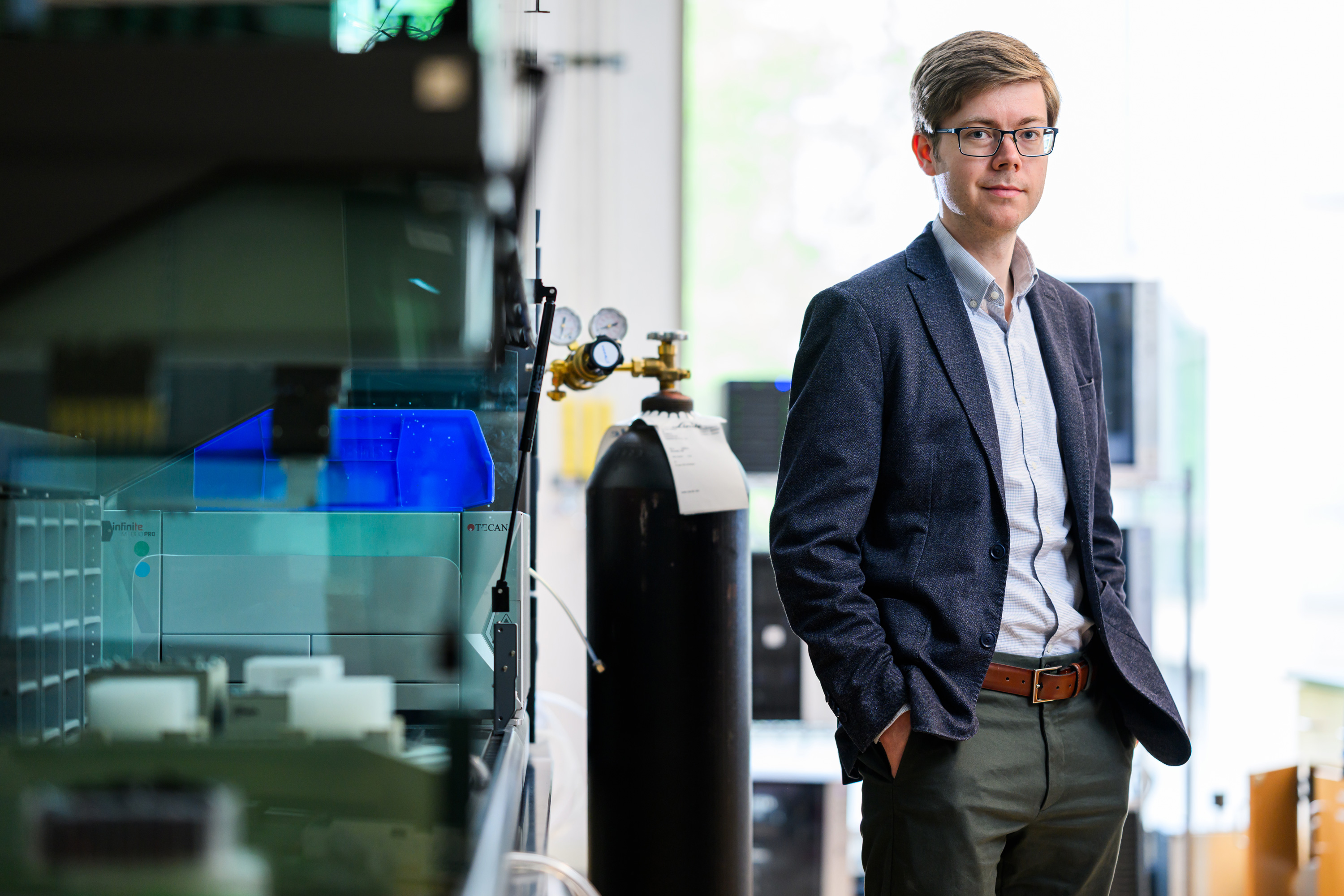
MIT’s Computational Chemistry: MIT Associate Professor Connor Coley, who straddles chemical engineering and computer science, develops computational models to analyze and synthesize potential drug candidates. His work aims to leverage AI to expedite the discovery and design of new therapeutic molecules.
-
AI in Synthetic Chemistry: Coley’s research involves applying AI techniques such as machine learning and cheminformatics to automate the synthesis of medicinal compounds and to predict reaction pathways. This work was initiated through his participation in a DARPA-funded project, Make-It.
-
Educational Background and Professional Journey: With a family steeped in science, Coley’s academic path featured degrees in both chemical engineering and computer science from Caltech, followed by graduate studies at MIT. He accepted a faculty position at MIT at 25, appreciating the institution’s resources and cross-disciplinary opportunities.
-
AI Model Development:
- ShEPhERD: One of Coley’s lab’s models, ShEPhERD, evaluates potential new drug molecules based on their three-dimensional shapes to determine drug-target protein interactions, aiding pharmaceutical discoveries.
- FlowER Generative AI Model: This AI model predicts chemical reaction products and incorporates fundamental physical principles and mechanisms, enhancing accuracy by considering intermediate steps.
-
Research Expansion and Collaborations: Coley’s lab engages students and researchers in multiple projects optimizing chemical reactions, utilizing computer-aided structure elucidation, laboratory automation, and optimal experimental design to push the boundaries of AI in chemistry.