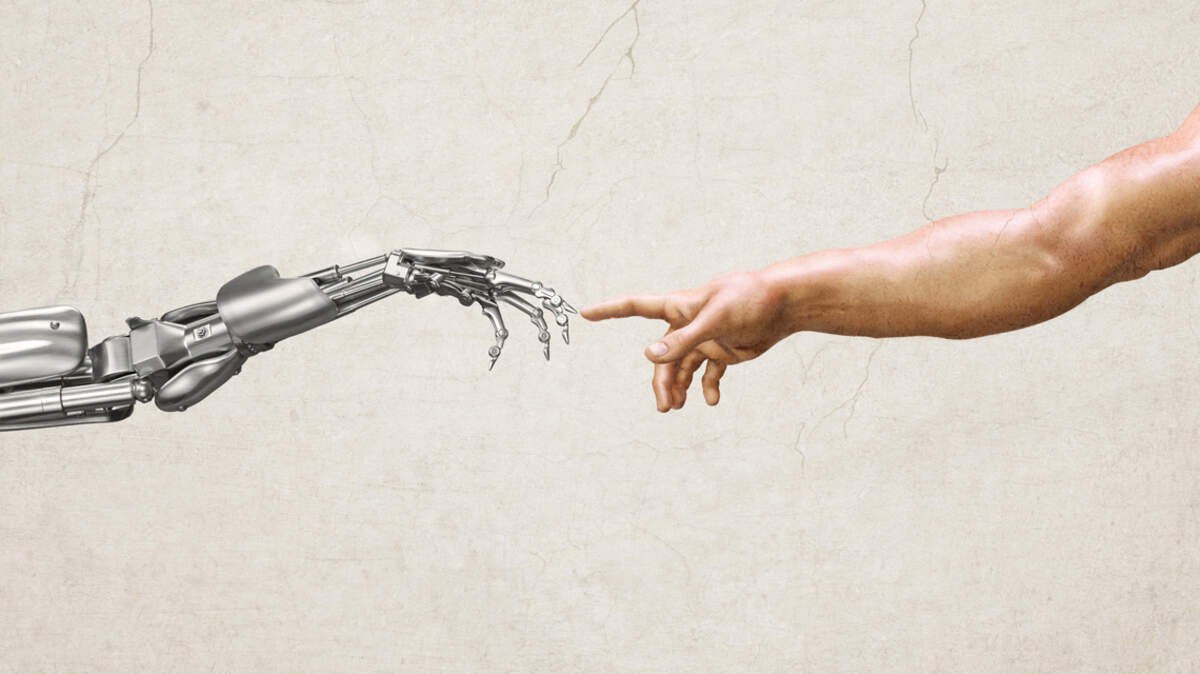
Reforming neuroscience graduate education for—and with—AI

Reforming neuroscience graduate education for—and with—AI
Publish Date: 2026-05-19 00:00:00
Source Domain: www.thetransmitter.org
- Generative Artificial Intelligence (GenAI) is transforming traditional course design and education, offering interactive, web-based experiences and realistic case scenarios.
- AI technologies challenge existing training models, demanding that graduate programs adapt by redefining the needs of neuroscience training, focusing on skills relevant to an AI-integrated workforce.
- To responsibly engage with AI, educators must emphasize critical thinking, experimental design, and metacognition. These skills help students avoid misunderstandings that can arise from AI tools.
- As AI becomes integral to research and education, neuroscience graduate training must develop frameworks like AiMS to integrate AI skills within experimental design and research practices.
- Graduate programs should define and prioritize desired outcomes that align with both research excellence and career readiness, using AI as a catalyst for broader curriculum updates.
- Faculty development is essential to integrate AI effectively into teaching and research. Active learning strategies, including hands-on practice with GenAI, can enhance educators’ comfort and proficiency.
- Existing resources and frameworks, such as the Council of Graduate Schools’ summit on AI and the Society for Neuroscience’s training committee guidelines, serve as foundational tools for modernizing graduate training.
- The era of rapid AI adoption provides a unique opportunity to drive educational reforms, preparing neuroscience students for diverse, AI-integrated careers and to act as leaders in human-AI collaboration.