Will Mounting Supply Chain Strains Hamstring the AI Investment Boom?
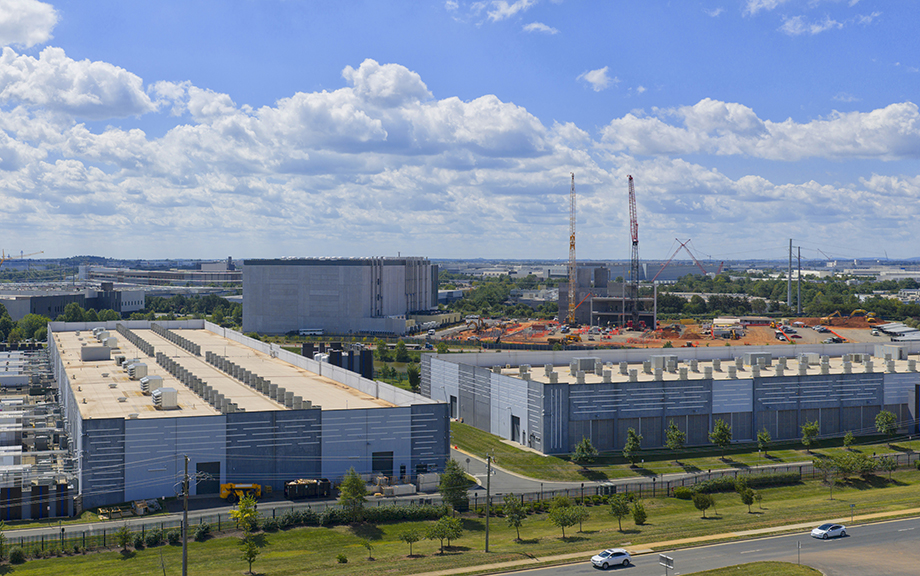
Will Mounting Supply Chain Strains Hamstring the AI Investment Boom?
Publish Date: 2026-05-11 07:03:00
Source Domain: libertystreeteconomics.newyorkfed.org
Here is a summarized list of the key points from the article:
– The Middle East conflict has led to a global supply shock, the third in six years following the pandemic and Russia’s invasion of Ukraine.
– The closure of the Strait of Hormuz has impacted both global energy markets and broader supply chains, driven by lengthening delivery times and growing order backlogs according to the New York Fed’s Global Supply Chain Pressure Index (GSCPI).
– Petrochemical prices have soared due to the Middle East disruption, affecting industries such as AI, high-tech, food supply, and transportation.
– Asian supply chains, particularly from lower- to middle-income countries, face significant energy exposure to the Middle East and disruptions risk passing through to manufacturing supply chains.
– The U.S. imports large quantities of goods from both ASEAN and northeast Asia that are vulnerable to supply shocks, especially those crucial for the AI infrastructure build-out.
– The U.S. risks facing higher input costs, transportation costs, and potentially physical shortages of goods if supply chains in ASEAN continue to experience disruptions.
The article emphasizes the importance of closely monitoring ASEAN energy vulnerabilities and specific product flows to anticipate potential near-term U.S. price and supply chain risks. It clarifies that the views expressed are those of the authors and do not necessarily reflect the position of the Federal Reserve Bank of New York or the Federal Reserve System.