Cybersecurity experts warn the public after Canvas attack impacts Baylor
Cybersecurity experts warn the public after Canvas attack impacts Baylor
Publish Date: 2026-05-08 21:44:00
Source Domain: www.kcentv.com
Using an unordered list, summarize the following article with between 4 and 8 key points. A cyberattack tied to the Canvas learning platform affected colleges nationwide, as experts urge students and the public to take precautions.
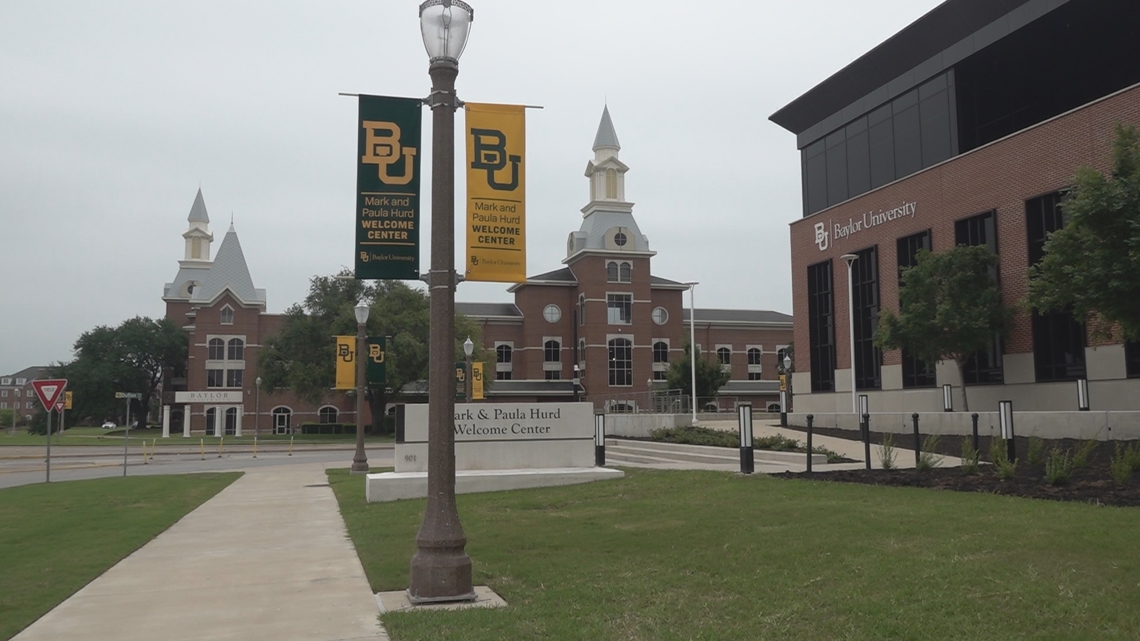
WACO, Texas — A nationwide cybersecurity incident involving the Canvas learning platform disrupted colleges and universities across the country this week, including Baylor University, as students prepare for finals and commencement ceremonies.
Baylor officials said Canvas access was restored Friday afternoon after a widespread outage forced changes to the university’s finals schedule and raised concerns about cybersecurity and data protection.
This story continues below.
The university rescheduled Friday’s final exams for the following week, while other exams continued as scheduled.
Investigators say the ransomware group “ShinyHunters” claimed responsibility for the attack, allegedly threatening to release personal data unless ransoms were paid.
Cybersecurity expert James Turgal said attacks on a platform as large as Canvas can impact millions of users.
“When you hit a platform, it’s not like hitting an individual application,” Turgal said. “You’re literally hitting the platform that affects probably some 9,000 schools and up to 275 million students, teachers and staff.”
Experts say many cyberattacks begin with phishing emails designed to trick users into clicking on malicious links or entering personal information.
Matt Rosenthal, CEO of Mindcore Technologies, said that most of the cybersecurity breaches his company encounters begin in this manner.
“Almost every single breach that we deal with, and we deal with them every single day, somebody either clicked on an email that had a link in it, or they actually clicked on it, opened it and entered some information,” Rosenthal said. “As soon as you do that, you’re giving people a key to the front door.”
Rosenthal recommends using strong and unique passwords for different accounts, enabling multi-factor authentication and avoiding suspicious emails or downloads.
“You’ve got to turn that on for every single account that you have,” Rosenthal said about multi-factor authentication. “It should be your email, the banks, the credit cards. If you don’t have that turned on, you’re literally asking for a problem.”
Turgal said students and parents who believe their information may have been compromised should act quickly by changing passwords, freezing credit cards and monitoring credit reports.
“Immediately change your passwords on all your email addresses, online banking, any of those,” Turgal said. “If they’ve got credit cards, I’m freezing those credit cards and freezing their credit reports.”
Despite the seriousness of the incident, Turgal urged people not to panic while cybersecurity professionals continue investigating.
“Don’t panic,” Turgal said. “There are lots of professionals out there who can help restore the platform. I’m more worried about the kids and their information, but don’t panic.”
Baylor officials said they do not expect the situation to impact commencement ceremonies.