How Will AI Reshape Politics? New Volume Co-Edited by Stanford Law’s Nathaniel Persily Explores the Stakes – SLS News and Announcements
Publish Date: 2026-05-06 16:56:00
Source Domain: law.stanford.edu
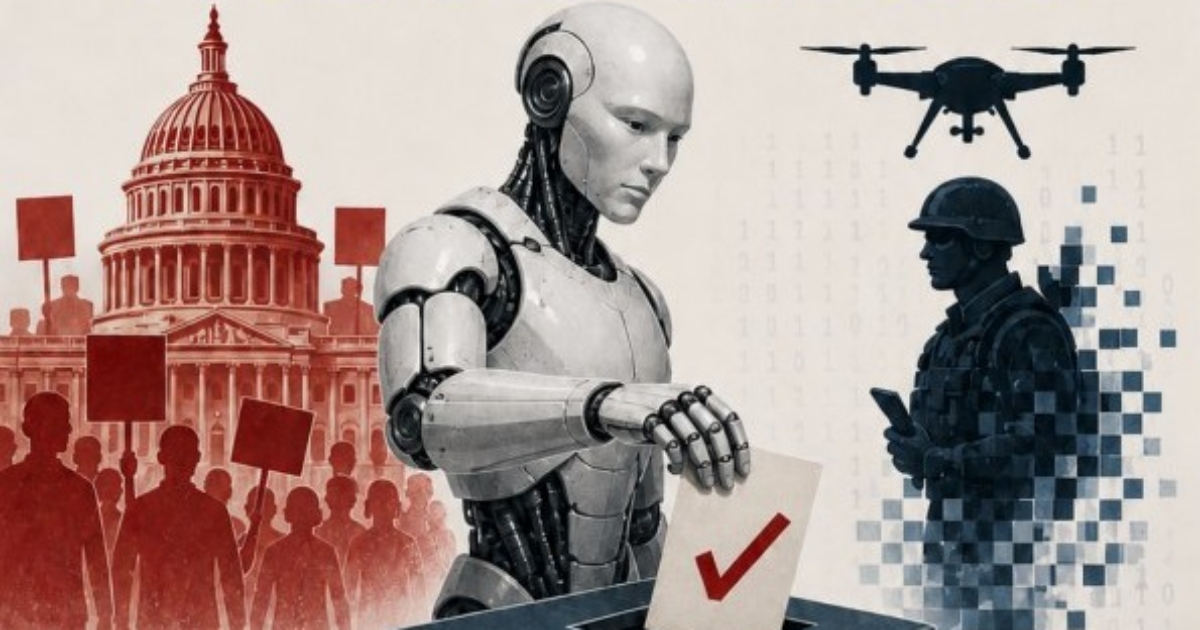
- The article discusses a new volume titled “Artificial Intelligence, Politics, and Political Science,” co-edited by Stanford Law School professor Nathaniel Persily, that provides an analysis of the impact of artificial intelligence (AI) on politics and political science.
- The volume was published by Cambridge University Press and features contributions from over 50 scholars, covering a wide array of subjects like democracy, elections, public opinion, gender and race, national security, public administration, political theory, and research methods.
- The book was released in draft form ahead of its official publication to allow early access for policymakers, scholars, and the public, as AI is evolving rapidly and its effects on politics necessitate timely discussion and understanding.
- Persily and his co-editor, Joshua A. Tucker from NYU, express a mix of “anxiety and excitement” as they believe the impact of AI on politics and political science could be dramatic. They emphasize the importance for political scientists to investigate how to guide AI towards constructive societal impacts.
- The volume aims to offer guidance to political science faculty on how to incorporate discussions of the AI revolution into teaching and research, filling a gap left by computer scientists’ long-standing oversight of AI development.
- Stanford Law School is actively involved in exploring the intersection of AI, governance, democracy, and law through various initiatives, and several Stanford faculty members contributed to the book.