AI Should Assist, Not Replace, U.S. Diplomats
AI Should Assist, Not Replace, U.S. Diplomats
https://afsa.org/ai-should-assist-not-replace-us-diplomats
Publish Date: 2026-04-30 15:27:00
Source Domain: afsa.org
-
Role of AI in Diplomatic Operations: AI can enhance the work of diplomats by processing complex data quickly, enabling more efficient responses to crises, but cannot replace human judgment and presence in critical situations.
-
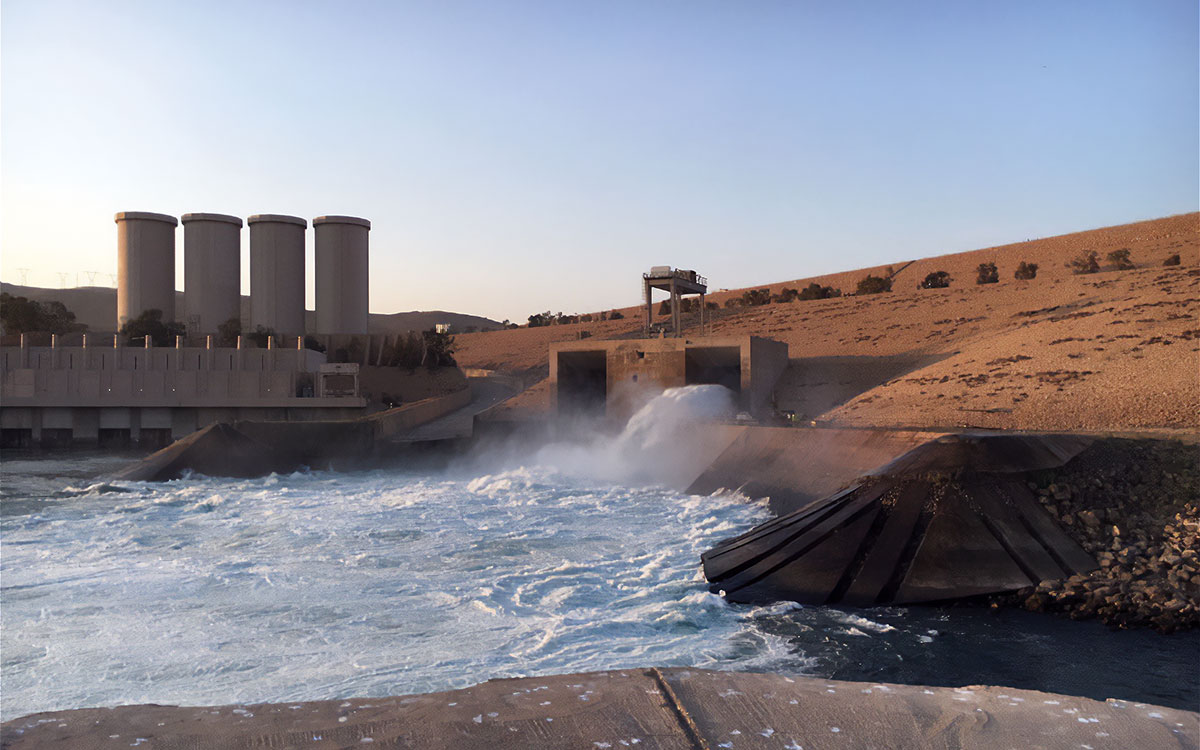
Mosul Dam Incident: During ISIS’s seizure of Iraq’s Mosul Dam in 2014, the author, relying on environmental science expertise, provided crucial daily briefings that AI could have supplemented by quickly assessing engineering data.
-
Disinformation Tracking: Using AI, the author’s team monitored disinformation networks targeting Afghanistan in 2021, highlighting AI’s role in identifying large-scale malign influences and patterns that humans might miss.
-
Limitations of AI in Diplomacy: While AI excels in computational tasks, it cannot replicate human interactions, build trust over time, or interpret the dynamics of on-the-ground social and political tensions that inform effective diplomacy.
-
Data Security and Ethical Concerns: Relying on private sector AI platforms may lead to vulnerabilities since these companies’ interests may not align with U.S. national security priorities, raising ethical and security concerns.
-
Preservation of Human Judgment: Good diplomacy requires human factors like empathy, presence, and judgment. AI should serve to support, not replace human decision-making and ethical accountability in foreign policy.
-
Strategic Use of AI: The thoughtful integration of AI can assist in speeding up processes and analytical tasks, but there’s a risk of overreliance which can undermine human analytical capabilities and institutional memory.
-
Final Considerations: Maintaining the human element in diplomacy is crucial for the credibility and success of U.S. foreign policy, with AI functioning as a complementary tool rather than a substitute for the human touch in diplomacy.