enabling safe, accountable, and scalable autonomous intelligence
enabling safe, accountable, and scalable autonomous intelligence
Publish Date: 2026-03-19 05:56:00
Source Domain: inform.tmforum.org
-
Introduction to Agentic AI: Agentic AI represents a shift from assistive AI to autonomous entities capable of planning, decision making, and executing complex tasks, promising productivity gains but also introducing new governance and security challenges.
-
Governance Framework: The whitepaper proposes a structured governance framework to responsibly deploy and scale agentic AI. It covers governance principles, risk categories, operational controls, and lifecycle management practices.
-
Understanding Agentic AI Capabilities: Agentic AI automates complex tasks involving multi-step reasoning, dynamic decision making, tool integration, inter-agent collaboration, and continuous adaptation—allowing it to act without continuous human oversight.
-
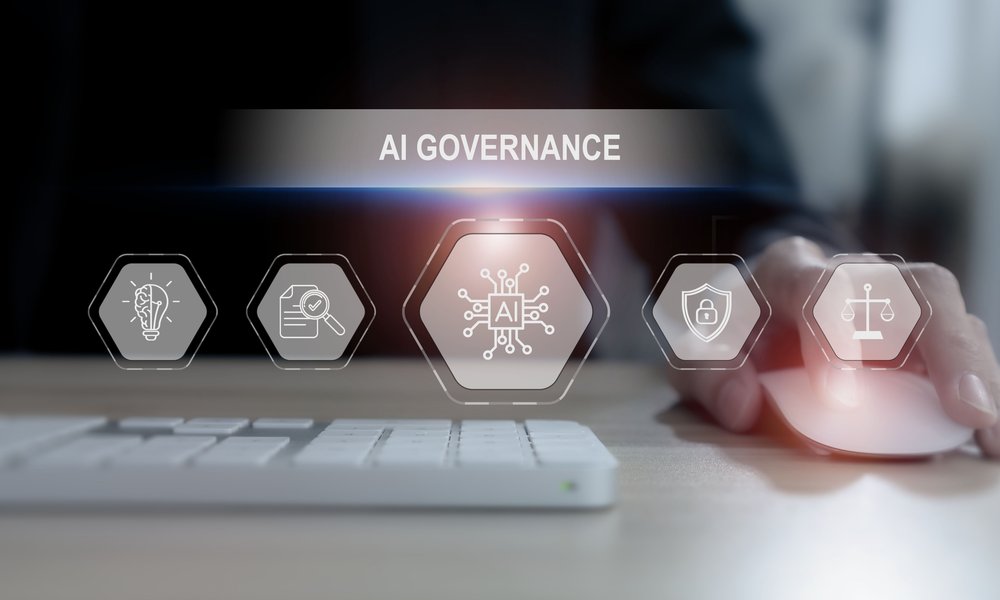
Governance Pillars: Effective governance for agentic AI requires integration across organizational, technical, and ethical controls, focusing on risk boundaries, human accountability, technical safeguards, data governance, transparency, monitoring, ethical design, regulatory compliance, and organizational culture.
-
Risk Landscape and Agentic AI: Agentic AI inherits traditional risks but enhanced autonomy increases risk exposure, mandating focus on model accuracy and controlling system behavior to mitigate risks such as operational failures, unauthorized actions, bias, data misuse, and system disruptions.
-
Safe Agent Design and Deployment: To ensure safety, organizations should design agents with minimal access, defined autonomy limits, sandbox environments, shutdown procedures, and robust identity and access controls.
-
User Accountability and Trust: Successful adoption involves cultivating trust through transparency, educating users on AI capabilities, establishing clear escalation paths, and ensuring human expertise is preserved.
-
Conclusion: Agentic AI’s deployment should integrate governance mechanisms to mitigate operational, ethical, and governance risks. Success hinges on structured enablement combining human accountability, technical safeguards, ethical design, and continuous monitoring.