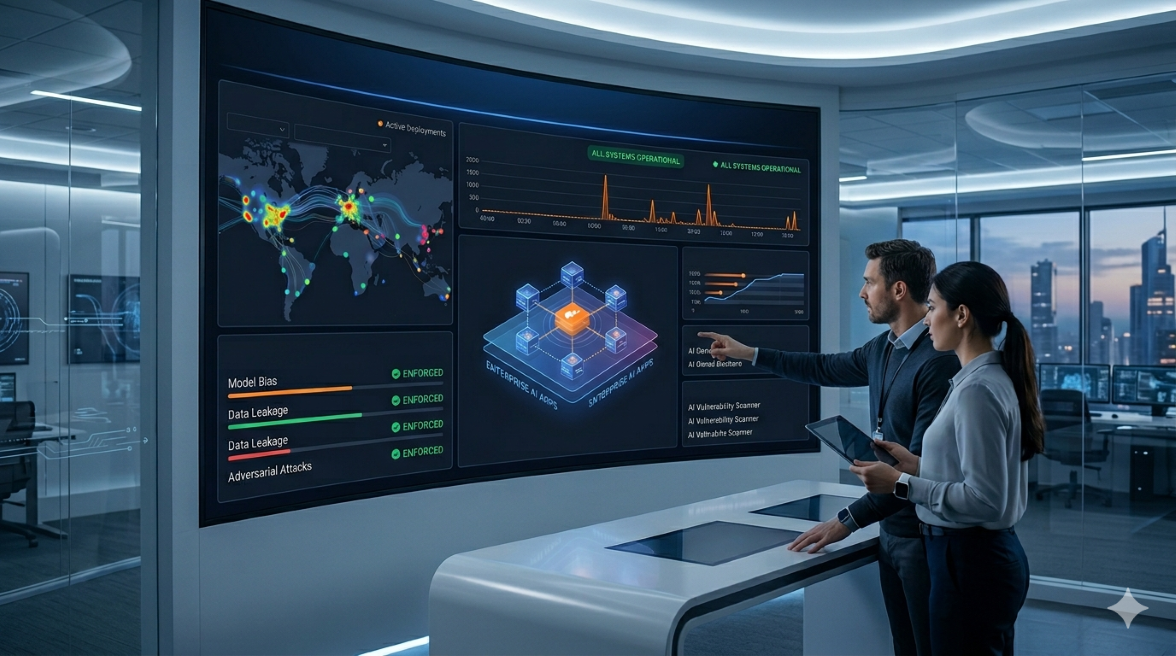
Agentic AI Governance: When AI Becomes Critical Infrastructure
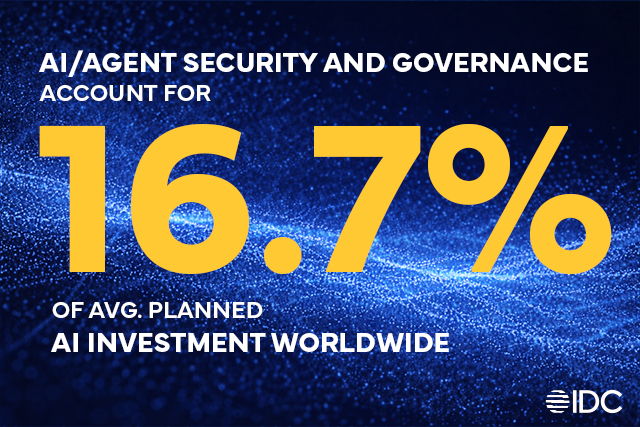
Agentic AI Governance: When AI Becomes Critical Infrastructure
https://www.idc.com/resource-center/blog/agentic-ai-is-critical-infrastructure/
Publish Date: 2026-03-16 10:16:00
Source Domain: www.idc.com
Here is a summarized list of key points from the article “IDC – Agentic AI Governance: When AI Becomes Critical Infrastructure”:
-
McKinsey/Lilli Incident: The incident is viewed as a market signal and indicates a shift in how AI systems should be perceived—from a productivity tool to an integral part of the organizational operating core with the ability to influence significant business operations.
-
Risk Evolution: The article highlights that as AI systems evolve, the risks associated with their use become more severe. Currently, AI errors are mostly contained, but future reliance on AI agents will expose organizations to risks concerning decision integrity and business outcomes if compromised.
-
Importance of Governance: The article underscores the necessity for enterprises to govern AI systems rigorously, akin to critical infrastructures. This entails standardized frameworks, bounded autonomy, rigorous access controls, and strict monitoring.
-
CIO and CISO Recommendations: For Chief Information Officers (CIOs), it is recommended to operate AI as a governed platform, applying stringent data separation, bounded autonomy mechanisms, and detailed monthly reporting. Chief Information Security Officers (CISOs) are advised to treat AI systems as sophisticated entities needing comprehensive threat modeling and security oversight.
-
CEO Advisory to Boards: CEOs should emphasize to their boards that AI deployment involves delegating authority, not just deploying capabilities. The emphasis should be on controlled autonomy, resilience of the AI supply chain, and monitoring critical dependencies.
-
Future Risks: The risks now hinge on the degree to which AI systems are integrated into business operations and the ability to detect and mitigate their influence if compromised. The importance of having a clear incident response framework, including a ‘kill switch’ and continuous monitoring capabilities, is emphasized.