Artificial intelligence and the future of fetal heart rate monitoring

Artificial intelligence and the future of fetal heart rate monitoring
Publish Date: 2026-03-07 13:11:00
Source Domain: kevinmd.com
- The traditional “gold standard” for labor safety, relying on a single line on an Electronic Fetal Monitor (EFM) screen, has driven unnecessary and historically high rates of C-sections, without reducing the incidence of cerebral palsy.
- Many large-scale studies have concluded that EFM did not improve outcomes. However, they tested outdated models of “pattern recognition” from the 1970s, not the full potential of the technology today.
- Roughly 35 percent of cerebral palsy cases have genetic origins that no EFM could prevent.
- The fetus’s heart patterns are often classified in Category II, a “trashcan” of uncertainty, leading doctors to perform unnecessary C-sections to avoid malpractice risks.
- New research suggests a more nuanced understanding of fetal heart rate variability (fHRV) can detect early signs of fetal distress and potentially prevent adverse outcomes through early intervention.
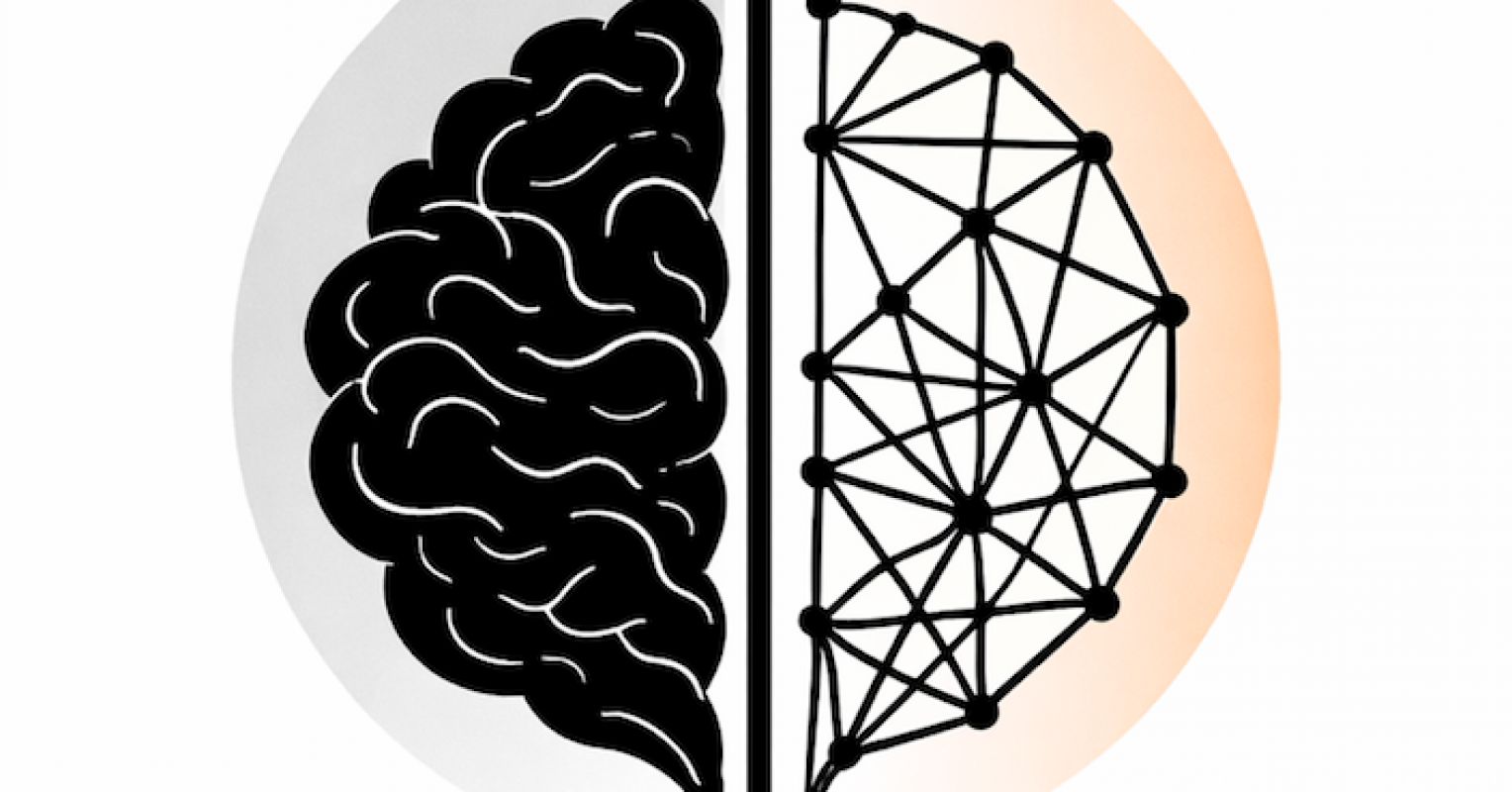
- True progress in fetal monitoring requires the use of artificial intelligence to analyze fHRV and adopt holistic measures like the Fetal Reserve Index (FRI) to consider comprehensive maternal-fetal physiological contexts.
- Effective use of high-precision technological tools combined with maternal-fetal physiology could shift from defensive to data-driven care models, ultimately safeguarding both mother and child.