Learning makes brain cells work together, not apart
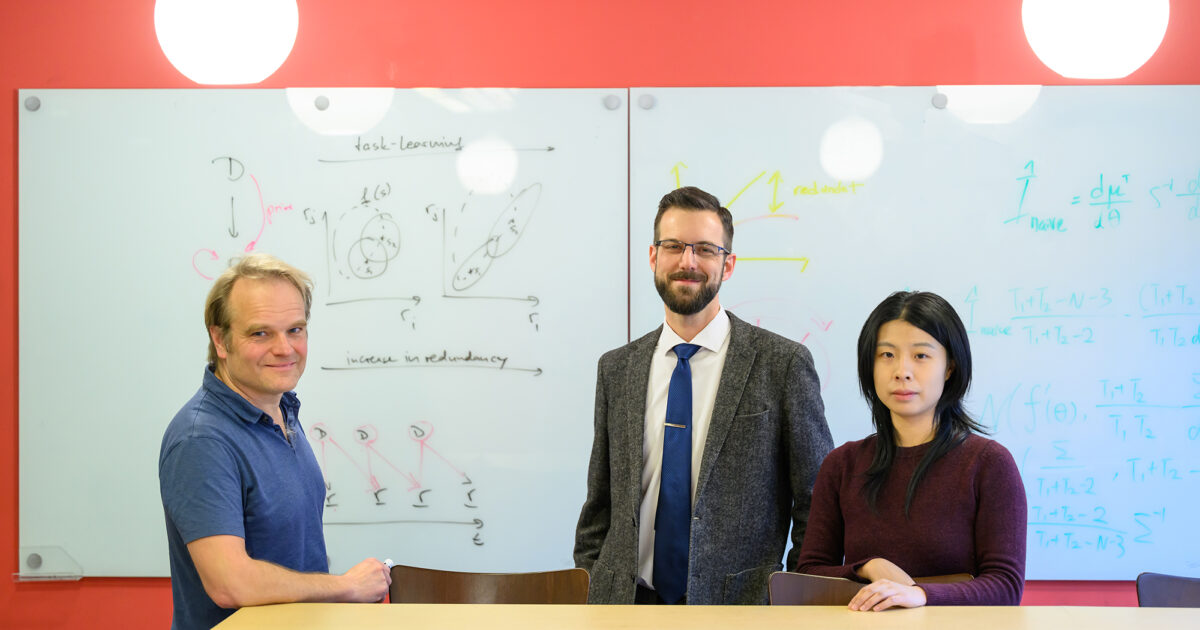
Learning makes brain cells work together, not apart
https://www.rochester.edu/newscenter/learning-makes-brain-cells-work-together-not-apart-694722/
Publish Date: 2026-03-05 14:09:00
Source Domain: www.rochester.edu
- A new study from researchers at the University of Rochester challenges the longstanding neuroscience theory that learning makes the brain more efficient by encouraging independent neuron activity.
- The study reveals that learning instead increases the coordination and shared activity among neurons during actively performed tasks.
- This coordination is attributed to the brain’s growing reliance on internal expectations and feedback from higher-level brain areas, rather than purely acting independently.
- The findings indicate that sensory areas actively combine new sensory information with learned expectations, reshaping how scientists think about perception and decision-making.
- The study holds implications for understanding learning disorders and could inspire the development of more flexible, human-like artificial intelligence systems by mimicking the brain’s coordination mechanisms.