Actually, Doug Ford, basket-weaving is innovative and in-demand
Actually, Doug Ford, basket-weaving is innovative and in-demand
https://theconversation.com/actually-doug-ford-basket-weaving-is-innovative-and-in-demand-276496
Publish Date: 2026-03-01 11:13:00
Source Domain: theconversation.com
- Significant OSAP Funding Cuts: The Ontario government has drastically reduced OSAP funding, from covering 85% to 25% of eligible students’ costs.
- Student Protests and Concerns: Students have voiced strong opposition to the cuts, expressing fears over financial burdens and the relevance of their chosen fields of study.
- Premier’s Dismissive Remarks on Craft Education: Ontario Premier Doug Ford has suggested that students should pursue more “in-demand” fields like trades and STEM, implying that arts and craft education is less valuable.
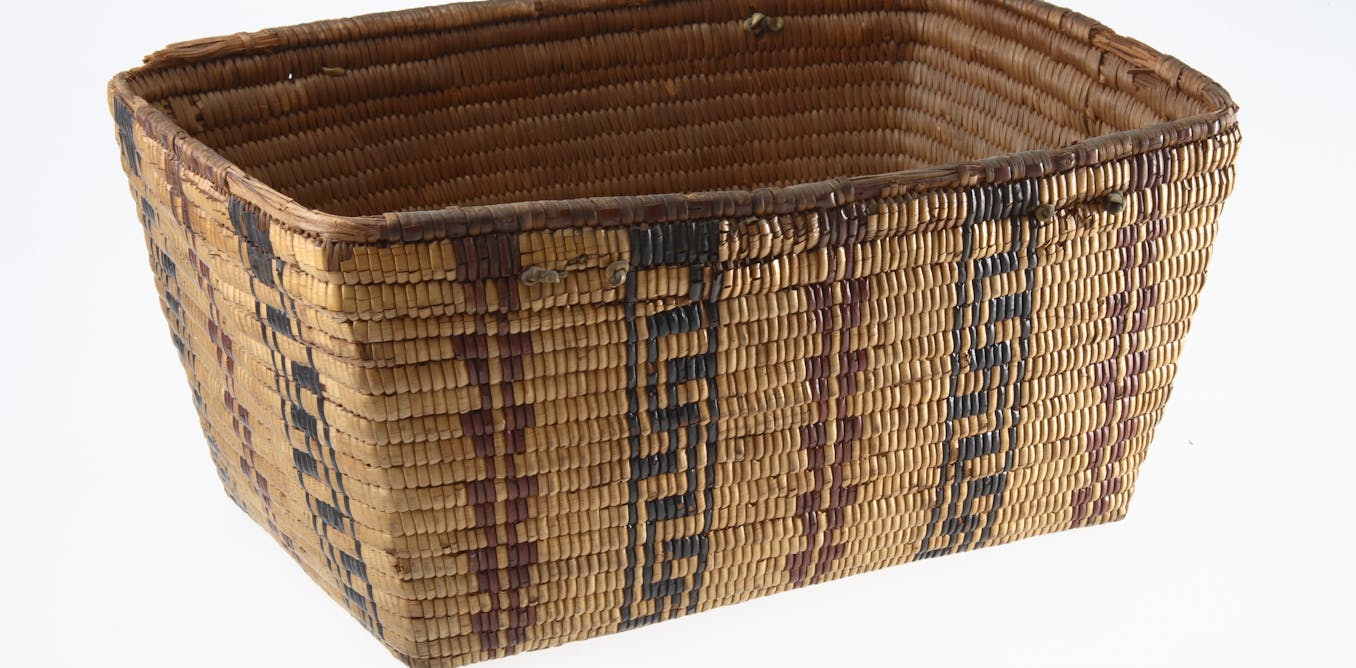
- Economic and Cultural Value of Craft: Basket-weavers and craft organizations emphasize the profitability and cultural importance of crafts, highlighting successful artisans like Spencer Lunham Jr. and the flourishing arts and culture sector’s GDP.
- Innovative Relevance of Crafts: Craft practices are recognized as historically and technologically significant, contributing to both innovation and cultural preservation. Recent prestigious art award winners, such as Ursula Johnson, showcase the contemporary relevance of such crafts.
- Teaching Critical Skills Beyond Economic Value: Advocates argue that crafts teach critical skills such as problem-solving, collaboration, and critical thinking, which are vital regardless of their economic value.
- Unfair Priorities in Education Funding: The Ford government promotes a system that undervalues and underfunds education that emphasizes critical and creative skills, focusing instead on job-prep training.
- Long-standing Contributions of Crafts: Craft education enables cultural transmission and critical problem-solving, shaping human survival and societal development, as argued by authors like Ursula K. Le Guin.