Scorpions can pose a deadly threat to children – we’re identifying the global hotspots
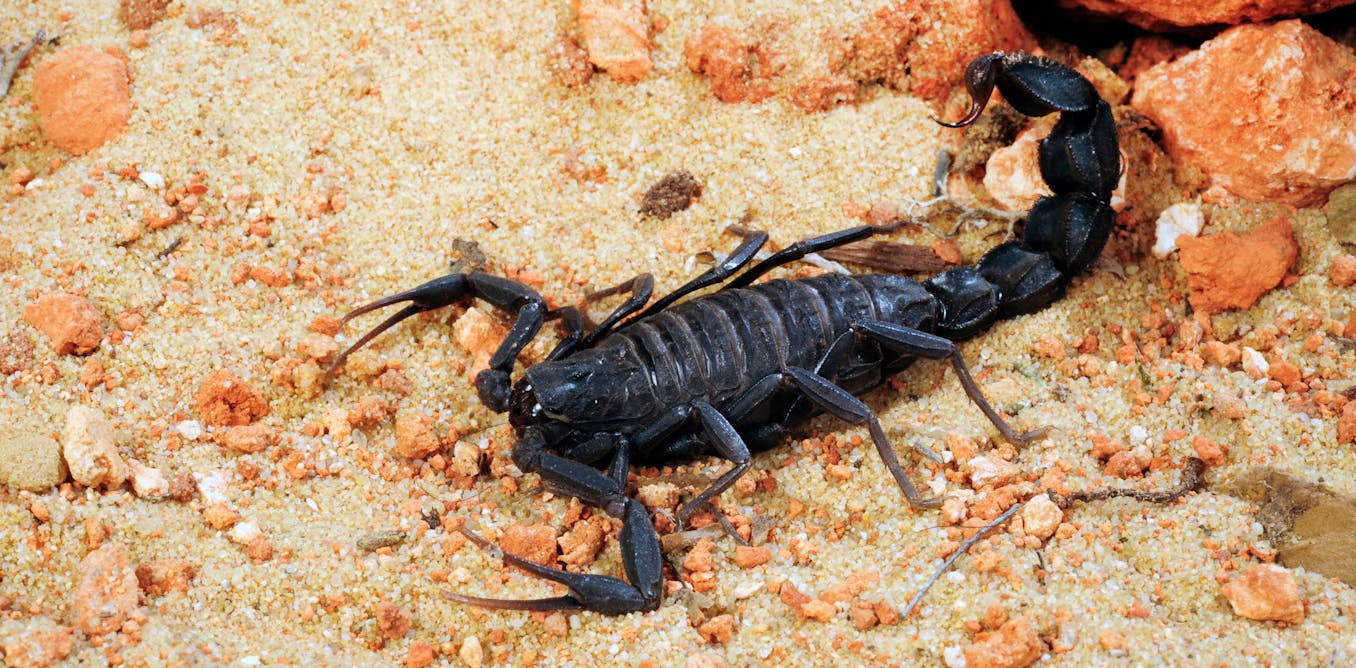
Scorpions can pose a deadly threat to children – we’re identifying the global hotspots
Publish Date: 2026-02-24 08:18:00
Source Domain: theconversation.com
- Scorpion stings are a significant concern mainly for children in subtropical regions, particularly in Latin America, North Africa, the Levant, Iran, and western India.
- Despite the severity of the problem, scorpionism is under-researched, under-funded, and under-reported, compared to snakebites.
- Climate change, urbanization, global trade, and human encroachment into natural habitats are contributing factors to increasing scorpion sting incidents.
- Lethal scorpion stings result in about 3,000 deaths annually, most of them children from poor rural communities.
- While old antivenom serum has significantly reduced death rates in some parts of the world, its usage is limited by availability, matching to the scorpion species, costs and allergic reactions.
- In Morocco, a significant drop in scorpion sting-related deaths was achieved by moving away from antivenom use towards comprehensive intensive care and public education campaigns.
- A Moroccan-Irish research team used machine learning to understand scopin habitat and develop predictive maps that guide the medical preparedness and response in scorpion sting hotspots.
- The integration of ecology, climate science, and clinical science can help prevent scorpionism-related deaths, with potential adaptations for use in other affected countries.