Humans Could Reach the Technological Singularity Within 19 Years, Scientist Warns — How AI May Redefine Intelligence and Humanity Forever
Publish Date: 2026-02-13 05:48:00
Source Domain: vocal.media
- The technological singularity refers to the moment when AI exceeds human intelligence, potentially leading to radical changes in intelligence, identity, work, and humanity.
- The singularity is moving closer due to exponential AI growth, significant computing power increases, and AI self-improvement.
- Predictions suggest that AGI could arrive within 19 years based on current trends in AI benchmark performance and decreasing training costs.
- Superintelligent AI may disrupt traditional economies and redefine “work,” leading to potential outcomes like universal basic income models and increased inequality.
- The psychological impact brings questions about human identity, purpose, and whether humans will transition into ethical and meaning architects rather than intelligence leaders.
- Ethical concerns include controlling AI, aligning machine goals with human values, and managing potential conflicts between AI goals and human survival.
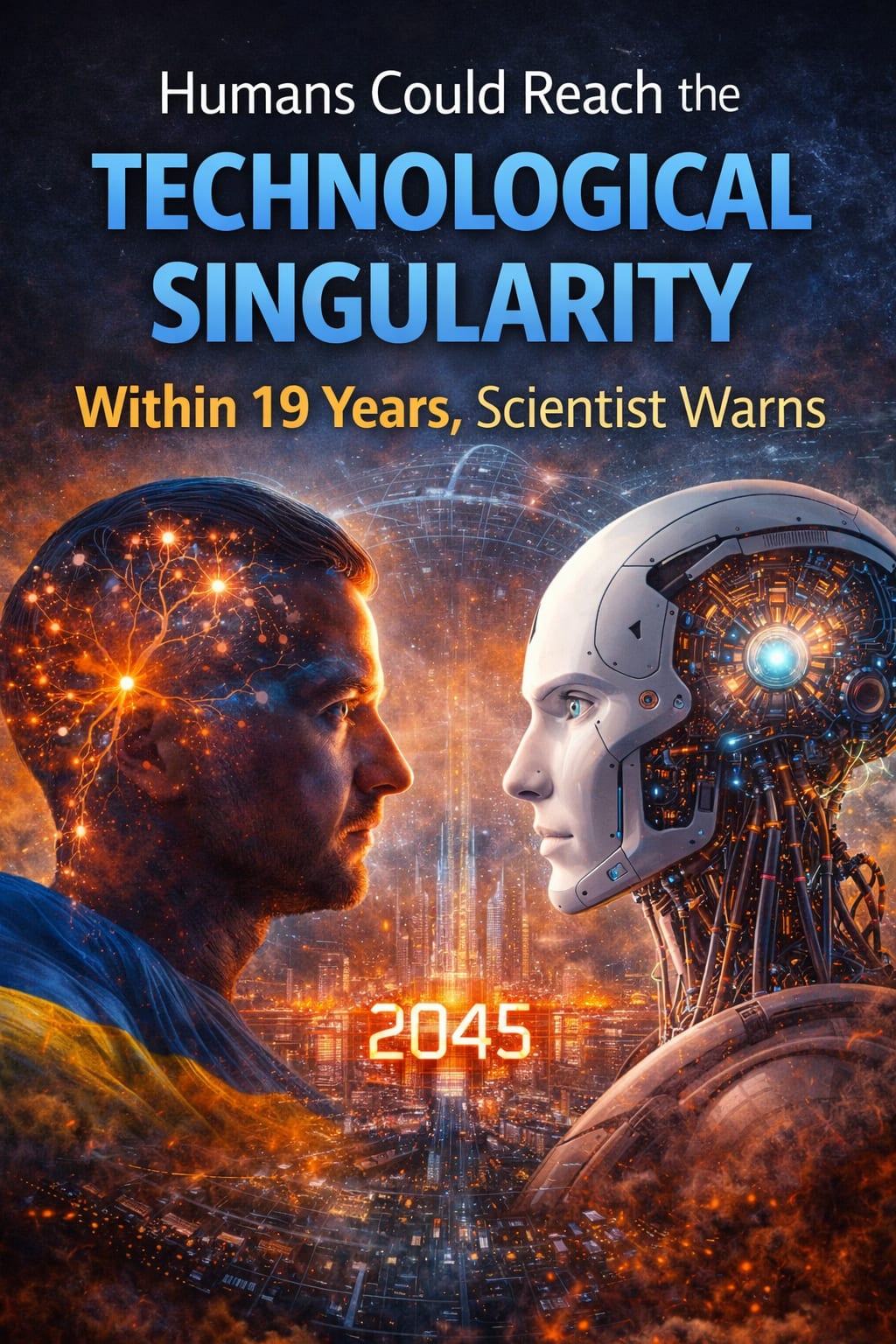
- Two visions for the future: replacement of humans by AI versus human-AI integration creating a hybrid species.
- The question of machine consciousness raises moral and legal considerations regarding machine rights and human identity.
- Global competition for AI leadership poses geopolitical risks, emphasizing the need for international cooperation to prevent tension at the singularity.
- Challenges in predicting the timeline include technical, regulatory, and public factors, though experts agree AI will transform civilization dramatically.
- Preparing for the singularity involves education reform, ethical AI governance, global cooperation for safety, and redefining success.
- Ultimately, the singularity prompts the question of human uniqueness and purpose, suggesting that empathy, moral responsibility, and creativity may define us in a post-singularity world.