Artificial intelligence in policing: Policy, training and risk
Artificial intelligence in policing: Policy, training and risk
Publish Date: 2026-02-09 13:05:00
Source Domain: www.police1.com
- The adoption of AI in law enforcement represents a significant shift in how agencies handle operations and case work in the face of rapid technological change.
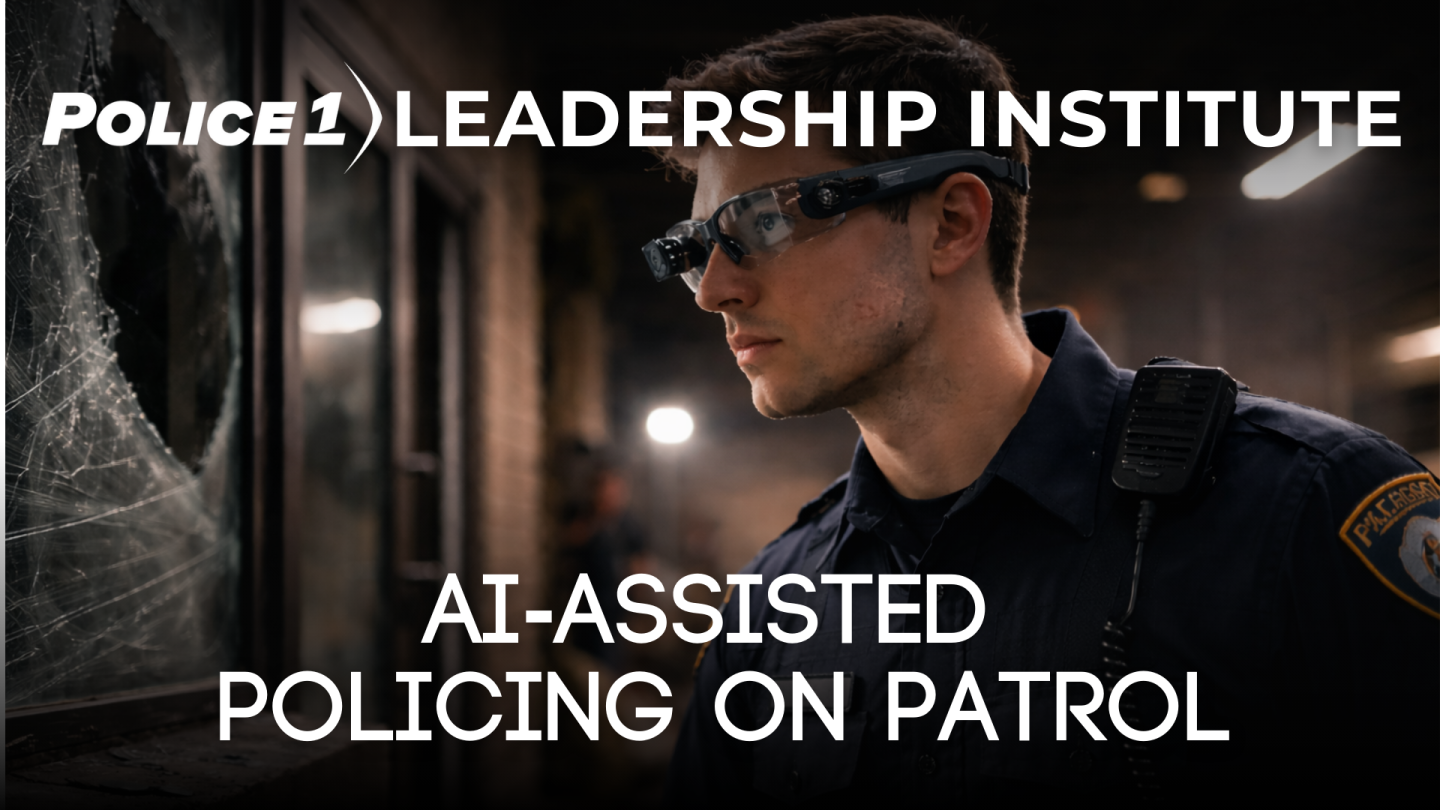
- The introduction of AI-powered tools such as wearable assistants and AI-assisted report writing could enhance officer efficiency and community safety.
- Challenges include the uneven distribution of resources, significant long-term financial obligations for licensing, data storage and cybersecurity, and managing public records requests.
- The use of “shadow AI,” or unsanctioned AI tools like those employed for text editing or data analysis, poses data security and reputational risks to organizations.
- To maximize the benefits of AI, law enforcement agencies need to establish clear policies, provide thorough training, and secure sustainable funding, whether through grants or community partnerships.
- Successful integration of AI in policing requires a balance between technology advancements and maintaining human judgment and leadership to enhance ethical accountability and public trust.