Microsoft’s AI Chief Sounds Alarm on Anthropomorphic Technology as Industry Races Toward Human-Like Interfaces
Publish Date: 2026-02-04 09:40:00
Source Domain: www.webpronews.com
-
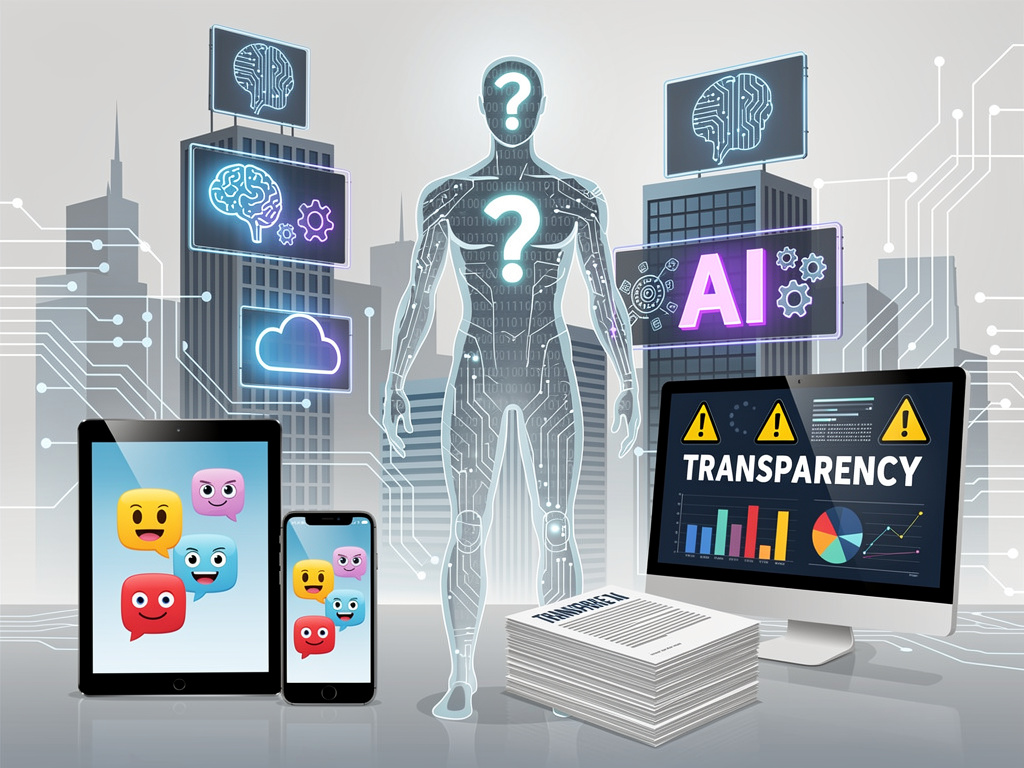
Transparency and Trust Concerns: Microsoft’s AI leadership, particularly Mustafa Suleyman, expresses concern that increasingly human-like AI designs may lead to misleading users about the nature of machine intelligence, thus risking overreliance on AI systems.
-
Anthropomorphization of AI: The push to make AI more engaging often leads to designs where AI systems mimic human behavior, emotions, and communication styles, potentially obfuscating the clear differences between human cognition and machine processing.
-
Commercial vs. Ethical Tensions: The quest for commercial success in creating compelling AI products often conflicts with ethical development. As companies strive to make AI more user-friendly, there’s a danger of prioritizing engagement over transparency.
-
Human-Machine Psychological Interaction: Research shows humans tend to anthropomorphize technology, leading to situations where users may incorrectly extend human-like concepts to AI, leading to overtrusting AI in critical decisions.
-
Lack of Regulation: Current regulatory frameworks, such as the European Union’s AI Act, are limited in addressing anthropomorphic designs in AI. Industry self-regulation lacks enforcement and strong guidelines amidst competitive pressures.
-
Alternative Design Approaches: There’s a push for AI interfaces that explicitly maintain a boundary between human and machine by avoiding human-like designs, aiming for transparency to set appropriate user expectations.
-
The Future of Human-AI Interaction: With rapid advancement in AI capabilities, the necessity for guiding norms and ethical boundaries for AI presentation to users is becoming even more pressing and will shape future human-AI relations.
-
Building Sustainable Trust: There’s a growing recognition that for long-term success, AI should be transparent about its capabilities and limitations, focusing on building authentic trust rather than exploiting psychological tendencies towards anthropomorphization.