Ancient and New Wisdom on AI, One Year After ‘Antiqua et Nova’| National Catholic Register
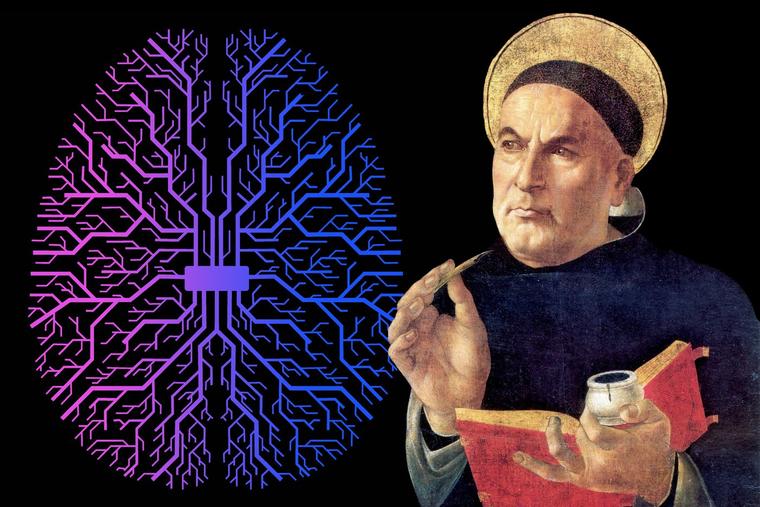
Ancient and New Wisdom on AI, One Year After ‘Antiqua et Nova’| National Catholic Register
https://www.ncregister.com/commentaries/antiqua-et-nova-ai-one-year
Publish Date: 2026-01-27 04:35:00
Source Domain: www.ncregister.com
- The Vatican’s “Antiqua et Nova” document explores the relationship between artificial and human intelligence, addressing both AI’s societal contributions and moral risks.
- Philosophical history mentions the concept that technology can emulate human intellect, from Julien de La Mettrie’s ideas to Alan Turing’s “Turing Test” in the mid-20th century.
- The Dartmouth conference in 1956 is highlighted as a pivotal moment in AI history, establishing principles that would define the field.
- AI has experienced periods of optimism and pessimism as it struggled to achieve the Turing Test standard widely by the end of the 20th century.
- The human brain’s neural network model influenced initial AI development and advances in deep learning using GPUs facilitated breakthroughs in recent decades.
- While AI can process and analyze data at high levels, it fundamentally differs from human intelligence since it lacks authentic understanding and empathy.
- The Vatican document emphasizes humans’ unique ability to grasp the truth through bodily existence and the soul, enhancing the dignity of being human.
- “Antiqua et Nova” cautions against the idea of AI replacing human beings in education, healthcare, and interpersonal relationships, highlighting the irreplaceable value of human relationships.
- The Church’s teachings serve as a guide for navigating AI’s potential and risks to ensure technological progress benefits society.