How everyday foam reveals the secret logic of artificial intelligence
How everyday foam reveals the secret logic of artificial intelligence
http://www.sciencedaily.com/releases/2026/01/260114084109.htm
Publish Date: 2026-01-15 00:22:00
Source Domain: www.sciencedaily.com
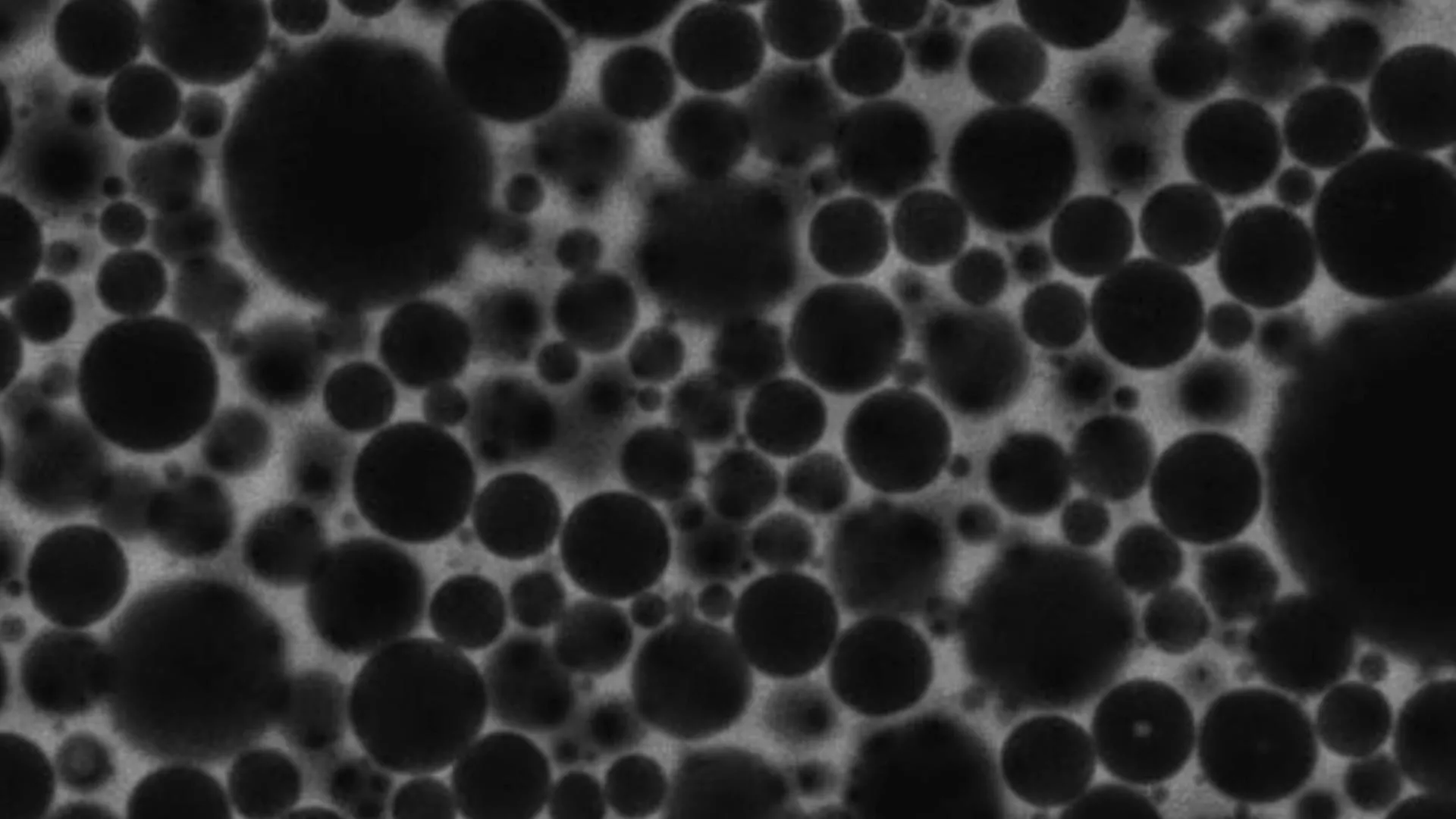
- Modern research from the University of Pennsylvania challenges the long-held belief that foams behave like glass, revealing that foam bubbles remain in constant motion.
- The interior dynamics of foams, which maintain an overall structure despite the constant movement of bubbles, closely mirror the mathematics and self-adjusting properties of deep learning in AI systems.
- The discovery suggests that learning, in its broad mathematical sense, may unify physical, biological, and computational systems.
- The study indicates that bubble movement within foams does not stabilize in low-energy states but persists in wide regions with multiple viable configurations, similar to the learning processes in AI.
- This ongoing reorganization in foams highlights potential new ways to design adaptive and responsive materials and may offer insights into the continual reorganization seen in living systems, like cellular cytoskeletons.
- The findings open new interdisciplinary avenues for research, including exploring how the mathematics of deep learning could apply beyond AI, potentially guiding advances in materials science and biology.
- The research was published in the Proceedings of the National Academy of Sciences, conducted by the University of Pennsylvania with support from the National Science Foundation.